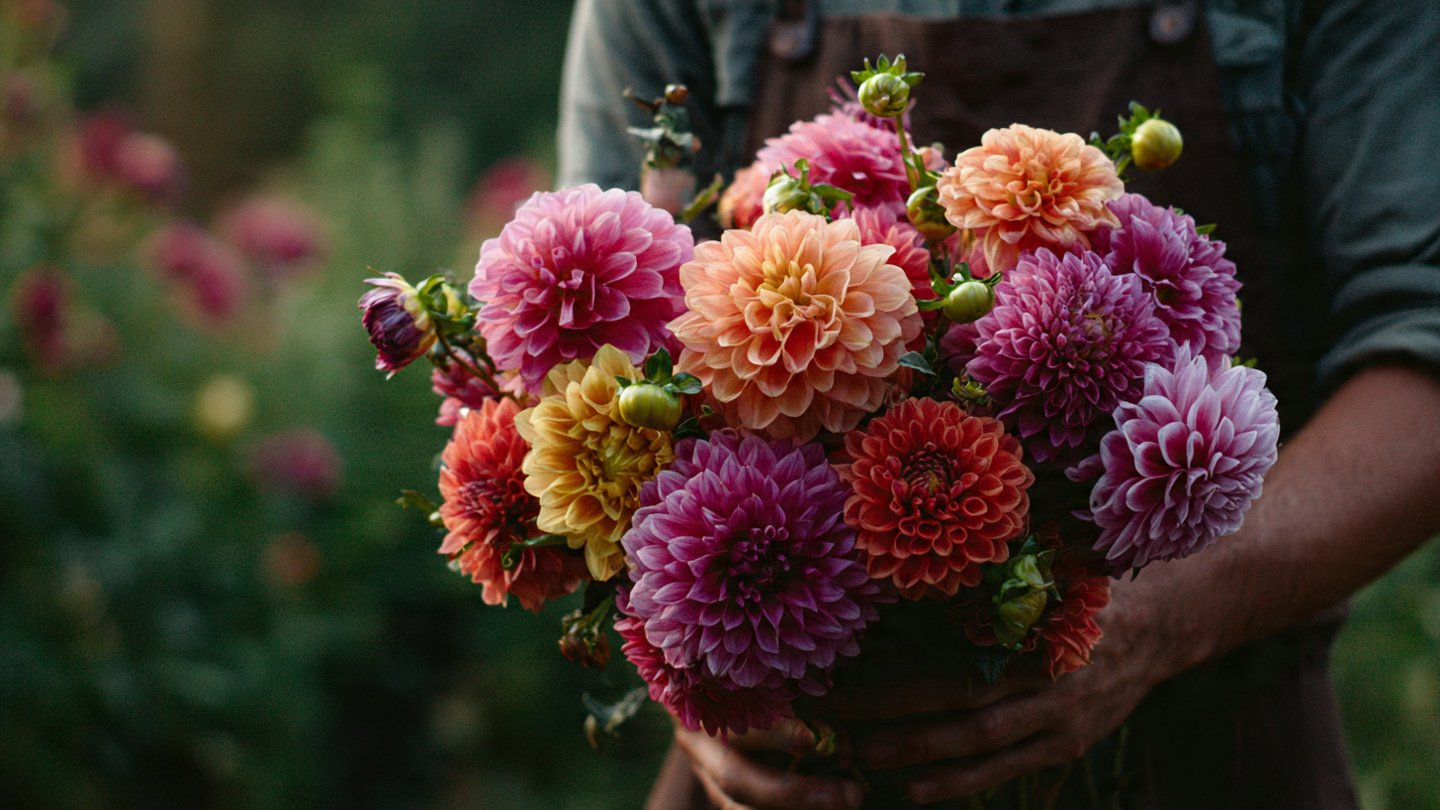
There’s nothing more satisfying than a garden filled with large, vibrant flowers—towering sunflowers, lush roses, and oversized dahlias that stop people in their tracks. Many gardeners assume that growing massive blooms requires expensive fertilizers, premium soil mixes, and constant care. In reality, big, beautiful flowers don’t have to come with a big price tag.
With smart planning, a little patience, and a few low-cost techniques, you can grow impressive blooms while sticking to a budget. Whether you’re gardening in the ground, raised beds, or containers, these practical tips will help you maximize flower size without overspending.
Start With the Right Flower Choices
The easiest way to grow massive blooms affordably is to choose flowers that naturally produce large blossoms.
Budget-Friendly Flowers Known for Big Blooms
- Sunflowers – Fast-growing and dramatic
- Dahlias – Known for huge, show-stopping flowers
- Zinnias – Easy to grow and prolific bloomers
- Peonies – Long-lasting and low-maintenance once established
- Cosmos – Large blooms with minimal care
- Hollyhocks – Tall plants with abundant flowers
- Marigolds (giant varieties) – Hardy and inexpensive
These plants produce large flowers without requiring specialized care or costly inputs.
Grow From Seeds Instead of Buying Plants
One of the biggest budget-saving tips is starting flowers from seeds.
- Seeds cost a fraction of nursery plants
- A single seed packet can produce dozens of plants
- Many large-bloom flowers germinate easily
Sunflowers, zinnias, cosmos, and marigolds are especially beginner-friendly. Starting seeds indoors using recycled containers like yogurt cups or egg cartons can save even more money.
Improve Soil Without Expensive Products
Healthy soil is the secret to massive blooms, but you don’t need pricey bagged mixes.
Low-Cost Ways to Improve Soil
- Make your own compost from kitchen scraps
- Add shredded leaves or grass clippings
- Use aged manure from local farms or stables
- Loosen compacted soil to improve root growth
Flowers with access to rich, well-aerated soil grow stronger roots, which support larger blooms.
Feed Flowers Naturally and Cheaply
Expensive fertilizers aren’t necessary to grow big flowers. In fact, slow, steady nutrition often produces better results.
Budget-Friendly Natural Fertilizers
- Compost tea
- Banana peels (rich in potassium)
- Crushed eggshells (for calcium)
- Coffee grounds (for acid-loving plants)
- Diluted fish tank water
These natural options provide nutrients without the cost or risk of over-fertilizing.
Water Smart, Not More
Overwatering can actually reduce flower size by encouraging weak growth.
Watering Tips for Bigger Blooms
- Water deeply but less frequently
- Water early in the morning
- Mulch to retain moisture
- Avoid wetting leaves unnecessarily
Deep watering encourages roots to grow downward, resulting in stronger plants capable of supporting large blooms.
Prune and Pinch Strategically
Pruning is one of the most powerful—and free—ways to grow massive flowers.
How Pruning Helps
- Redirects energy to fewer blooms
- Encourages stronger stems
- Improves air circulation
For plants like dahlias, roses, and zinnias, removing early side buds allows the plant to focus energy on producing fewer but larger flowers.
Space Plants Properly
Crowded plants compete for nutrients, water, and sunlight.
- Follow spacing guidelines on seed packets
- Resist the urge to plant too closely
- Good airflow prevents disease
Proper spacing gives each plant the resources it needs to grow big and healthy.
Maximize Sunlight for Free Growth Power
Sunlight is one of the most important factors for bloom size—and it’s completely free.
- Most flowering plants need 6–8 hours of full sun
- Observe your garden to identify the sunniest spots
- Avoid shading large-bloom flowers with taller plants
The more sunlight your flowers receive, the more energy they can dedicate to producing massive blooms.
Support Plants Without Buying Accessories
Large blooms can cause stems to bend or break, but you don’t need expensive supports.
DIY Support Ideas
- Bamboo sticks or fallen branches
- Old wire hangers
- Tomato cages reused year after year
- Twine tied gently to stakes
Supporting plants early prevents damage and helps flowers grow to their full size.
Deadhead Regularly for Continuous Growth
Deadheading—removing spent flowers—encourages plants to produce new, larger blooms.
- Prevents energy waste on seed production
- Promotes healthier growth
- Keeps plants looking tidy
This simple habit costs nothing but time and delivers big rewards.
Control Pests Naturally
Pests can weaken plants and reduce bloom size, but chemical pesticides aren’t necessary.
Low-Cost Pest Control Methods
- Hand-picking insects
- Spraying with diluted soap and water
- Encouraging beneficial insects
- Companion planting with marigolds or basil
Healthy plants free from pest stress produce bigger and more vibrant flowers.
Be Patient and Observe Your Plants
Patience is often the most overlooked gardening skill.
- Flowers improve as plants mature
- Second and third blooms are often larger
- Observe what works and adjust naturally
Learning from your garden allows you to improve results each season without spending more.
Avoid Common Budget-Busting Mistakes
- Buying expensive “miracle” products
- Over-fertilizing in hopes of faster growth
- Ignoring soil health
- Planting in poor sunlight
Simple, consistent care beats costly shortcuts every time.
Final Thoughts
Growing massive blooms on a budget is not only possible—it’s incredibly rewarding. By choosing the right flowers, starting from seeds, enriching soil naturally, and using smart gardening techniques, you can create a stunning flower garden without overspending.
Big blooms don’t come from expensive products; they come from healthy roots, proper sunlight, thoughtful care, and patience. With these budget-friendly tips, your garden can be full of oversized, eye-catching flowers that look like they came from a professional landscaper—without the professional price tag.