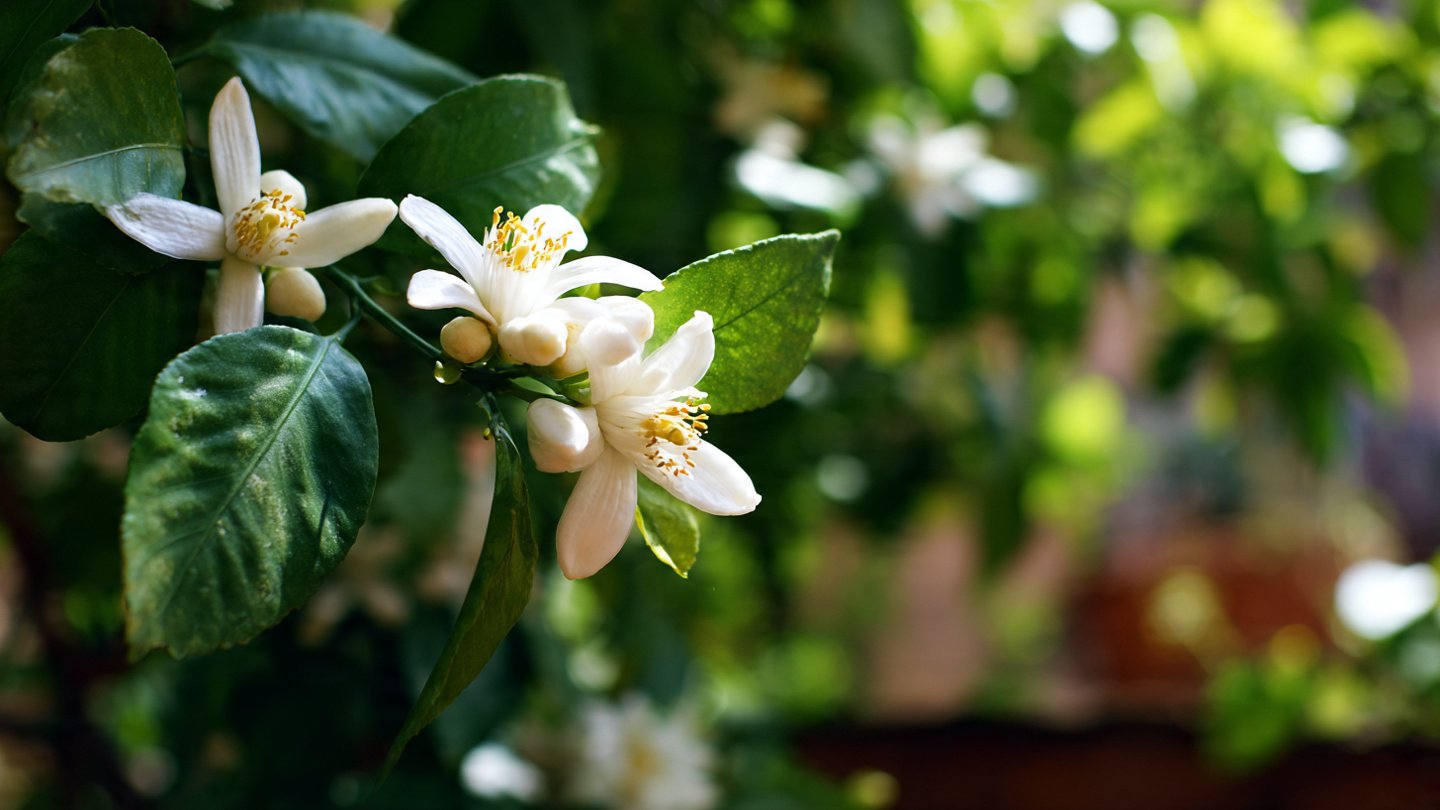
Lemon trees are beloved for their fragrant flowers, glossy leaves, and tangy fruits. If you’re a home gardener, there’s something magical about the first blossoms of your lemon tree—especially when they appear unexpectedly in the middle of winter. While most gardeners expect citrus trees to bloom in spring or early summer, some lemon trees surprise owners by flowering during the cold months.
This unusual behavior often raises questions: Is it healthy for the tree? Will it affect fruit production? And why does it happen at all? Understanding the science behind winter blooming can help you care for your lemon tree more effectively and enjoy its beauty year-round.
Understanding the Citrus Bloom Cycle
Lemon trees are subtropical evergreens with a unique flowering cycle influenced by temperature, light, water, and nutrition. Normally, lemon trees bloom in cycles that correspond to seasonal changes:
- Spring: Most common bloom period, triggered by longer daylight and warming temperatures.
- Summer: Secondary blooms may appear depending on climate and care.
- Autumn/Winter: Typically, flowering slows due to shorter days and cooler temperatures.
However, under certain conditions, your lemon tree may bloom outside its regular cycle. Winter flowering is not necessarily harmful—it often reflects the tree’s response to environmental triggers.
Possible Reasons for Winter Blooming
1. Mild Winter Temperatures
One of the most common reasons for a lemon tree to bloom in winter is unusually warm or mild winter weather. Lemon trees are sensitive to temperature changes:
- When daytime temperatures remain above 55°F (13°C) and nights don’t drop too low, the tree may mistake winter for early spring.
- This triggers hormonal changes that lead to flowering.
Gardeners in subtropical regions often notice extended blooming periods because the seasonal cues are less distinct.
2. Extended Daylight or Artificial Lighting
Light is a critical factor for citrus trees. Lemon trees rely on photoperiod signals to determine when to flower:
- If your lemon tree is grown indoors or in a greenhouse, supplemental lighting can simulate longer days.
- Artificial light encourages the tree to initiate blooms even when natural daylight is limited.
This explains why indoor lemon trees or those near bright windows often flower out of season.
3. Watering and Fertilization Patterns
The tree’s nutrition and moisture levels can also affect flowering:
- Moderate water stress followed by generous watering can trigger blooms, as the tree responds to a perceived “rainy season.”
- Fertilizer applications, especially those rich in phosphorus and potassium, promote flowering.
- Over-fertilizing with nitrogen, however, can delay blooms because the tree focuses on leafy growth rather than flowers.
Winter blooms may occur if a well-timed fertilization or watering cycle encourages the tree to shift energy into reproductive growth.
4. Tree Maturity and Health
A mature, healthy lemon tree is more likely to bloom in winter than a young or stressed tree:
- Trees over 3–5 years old are typically capable of off-season flowering.
- A tree that is vigorous, disease-free, and well-pruned has enough energy reserves to support flowers even during colder months.
Young trees or those recovering from pests or environmental stress may delay flowering until conditions improve.
5. Stress-Induced Flowering
Interestingly, lemon trees sometimes bloom in response to mild stress:
- Slight temperature fluctuations or root stress can trigger survival mechanisms, causing the tree to flower and produce seeds.
- This adaptive behavior ensures that the tree continues its reproductive cycle even when environmental conditions are unpredictable.
While moderate stress can promote blooms, excessive stress—such as frost damage or drought—can harm the tree and reduce fruit set.
Caring for a Winter-Blooming Lemon Tree
Seeing flowers in winter is exciting, but it also requires careful care to ensure healthy fruit development.
1. Protect Flowers From Cold
- Cover the tree or move potted lemon trees indoors if temperatures drop below 40°F (4°C).
- Frost can damage delicate blossoms, leading to reduced fruit set.
- Using frost cloths or garden blankets helps maintain a stable microclimate around the blooms.
2. Adjust Watering
- Keep the soil moist but not waterlogged.
- Avoid overwatering during flowering, as excess moisture can cause flowers to drop.
- A consistent watering schedule helps the tree allocate energy efficiently between flowering and root growth.
3. Support Pollination
- Lemon trees rely on pollinators like bees to set fruit.
- Winter flowering may coincide with lower insect activity.
- Hand pollination with a small brush or cotton swab can ensure fruit set, especially in indoor or greenhouse conditions.
4. Avoid Heavy Pruning During Bloom
- Pruning during flowering can remove flower buds and reduce fruiting potential.
- Focus on light maintenance pruning instead, removing only dead or damaged branches.
5. Fertilize Carefully
- Apply a balanced citrus fertilizer with lower nitrogen and higher phosphorus/potassium to support flower and fruit development.
- Avoid excessive nitrogen, which encourages leaf growth at the expense of blossoms.
What to Expect From Winter Blooms
- Fruit Development: Fruits from winter blooms may mature later than spring fruits. Expect longer fruiting periods.
- Reduced Yield Risk: Some flowers may drop naturally if environmental conditions aren’t ideal. This is normal and helps the tree balance energy.
- Multiple Bloom Cycles: Winter flowering may lead to a secondary harvest in addition to the main summer crop.
In many cases, winter blooms result in smaller but higher-quality fruits because the tree invests more energy per fruit.
Benefits of Winter Blooming
- Extended Harvest Period: You may enjoy fruit earlier or later than usual, spreading your harvest across the year.
- Enhanced Aroma: Winter flowers are often highly fragrant, adding a sensory delight to your garden.
- Pollinator Attraction: The blooms can support beneficial insects during months when few other flowers are available.
- Aesthetic Value: Lemon blossoms in winter bring beauty and color when most plants are dormant.
These benefits make winter-flowering lemon trees both productive and ornamental.
Common Concerns
While winter blooms are usually harmless, gardeners should watch for:
- Frost Damage: Protect flowers from cold snaps.
- Flower Drop: Some blossoms may fall if the tree is under stress. This is natural.
- Pest Activity: Indoor or greenhouse flowers may attract pests like aphids or whiteflies. Regular inspection is essential.
By monitoring conditions and providing gentle care, you can maximize fruit set and enjoy off-season blooms safely.
Final Thoughts
A lemon tree blooming in the heart of winter is a natural and fascinating occurrence, often driven by mild temperatures, proper care, tree maturity, and environmental cues. Far from being a problem, winter blooms are a sign of a healthy, vigorous tree capable of producing fruit beyond the traditional season.
To take full advantage of this phenomenon:
- Protect flowers from frost.
- Maintain proper watering and nutrition.
- Assist with pollination if natural pollinators are scarce.
- Enjoy the beauty and fragrance of winter blossoms.
With thoughtful care, your winter-blooming lemon tree can offer both visual delight and delicious fruit, extending the gardening season and bringing joy even in the coldest months.
Winter blooms may surprise you, but they are a reward for diligent care, a mild climate, and a well-nourished tree—a reminder that nature often defies expectations in the most delightful ways.
If you want, I can also:
- Create a month-by-month care guide for winter-blooming lemon trees
- Include tips for indoor pollination and fruiting during winter
- Suggest fertilizer and pruning schedules specifically for off-season blooms