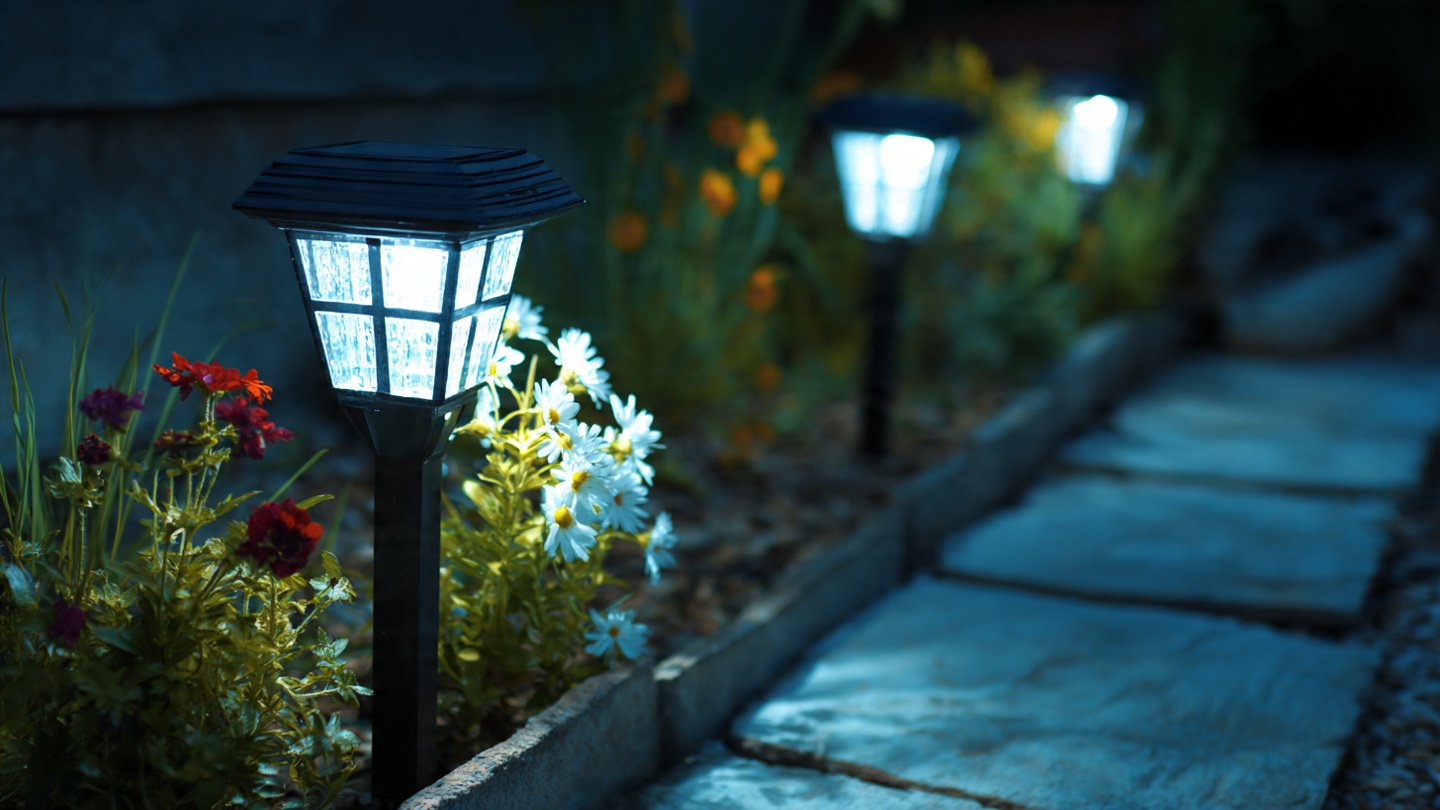
Solar lights have become a popular choice for homeowners and gardeners looking to add eco-friendly illumination to their outdoor spaces. They are convenient, cost-effective, and sustainable, running entirely on sunlight. However, many people face the frustrating problem of solar lights failing after just a month of use. You may have invested in a set of lights, placed them carefully in your garden or walkway, and then, almost as quickly as you turned them on, they stop working.
Understanding why this happens is key to preventing it, extending the lifespan of your lights, and saving money in the long run. In this article, we will explore the common reasons behind solar light failure, how to identify these issues, and practical solutions to keep your solar lights shining bright for years.
Understanding How Solar Lights Work
Before diving into the causes of early failure, it helps to understand the basic components of solar lights and how they function:
- Solar Panels – These panels absorb sunlight and convert it into electrical energy during the day. The efficiency of your lights depends on the quality and exposure of these panels.
- Rechargeable Battery – Solar energy is stored in rechargeable batteries, which power the LED lights at night. These batteries degrade over time but can also fail prematurely due to poor quality or incorrect usage.
- LED Bulbs – LEDs are energy-efficient, long-lasting light sources. High-quality LEDs can last tens of thousands of hours, but cheap bulbs may burn out quickly.
- Controller/Charge Controller – This regulates the flow of electricity from the solar panel to the battery and prevents overcharging, which can damage the battery.
- Housing/Enclosure – Protects the components from weather elements like rain, snow, and dust. Poorly sealed lights can fail due to water damage.
Even if all components are correctly manufactured, improper usage or environmental factors can lead to early failure.
Common Reasons Why Solar Lights Fail After One Month
1. Poor Quality Batteries
One of the biggest culprits for early solar light failure is the battery. Many low-cost solar lights come with inferior rechargeable batteries that cannot hold a charge for long.
- NiMH or NiCd Batteries – These are common in budget solar lights. Cheap versions often fail after just a few cycles of charging and discharging.
- Insufficient Capacity – Batteries may be too small to store enough energy for a full night of illumination.
- Solution: Replace low-quality batteries with high-quality AA or AAA NiMH batteries or lithium-ion batteries. Look for brands with high capacity (mAh rating) for longer-lasting light.
2. Insufficient Sunlight Exposure
Solar lights rely entirely on sunlight to recharge. If they are placed in a shady area or during a season with limited daylight, the lights may not receive enough energy to function at night.
- Shadows and Obstructions – Trees, walls, or even other garden structures can block sunlight.
- Seasonal Changes – Shorter days in winter reduce charging time.
- Solution: Place solar lights in areas that receive at least 6–8 hours of direct sunlight daily. Clean panels regularly to remove dust, leaves, and dirt that reduce efficiency.
3. Faulty Solar Panels
Even with sufficient sunlight, a damaged or low-quality solar panel can prevent your lights from charging effectively.
- Cracked Panels – Exposure to hail or impact can damage the panel, reducing energy absorption.
- Poor Manufacturing – Low-cost panels may use inferior materials that degrade quickly.
- Solution: Inspect your solar panels for damage and replace faulty panels if possible. For long-term reliability, invest in lights with high-efficiency monocrystalline solar panels.
4. Water Damage and Poor Sealing
Solar lights are designed to withstand outdoor conditions, but low-quality models often lack proper weatherproofing.
- Rain and Moisture – Water can seep into the battery compartment or electrical connections, causing short circuits.
- Condensation – Temperature fluctuations can lead to moisture buildup inside the light.
- Solution: Choose solar lights with IP65 or higher waterproof ratings, and ensure seals around the housing and battery compartment are intact.
5. Cheap or Faulty LED Bulbs
While LEDs are long-lasting, cheap or defective bulbs can burn out quickly.
- Low-Quality LEDs – Some budget lights use LEDs that cannot handle even the moderate current supplied by solar batteries.
- Heat Damage – Overheating due to poor heat dissipation can damage bulbs.
- Solution: Invest in solar lights with high-quality LEDs that have good heat management features.
6. Poor Electrical Connections
Loose wires or corroded contacts can prevent the battery from delivering power to the LEDs.
- Corrosion – Exposure to rain or humidity can corrode terminals.
- Loose Soldering – Inexpensive lights may have poor internal connections.
- Solution: Check internal connections periodically and clean contacts with a soft cloth or fine sandpaper.
7. Overcharging and Heat Stress
Some solar lights lack a proper charge controller, leading to overcharging of batteries.
- Battery Degradation – Overcharging reduces battery life dramatically.
- Excessive Heat – Solar panels can get very hot in direct sunlight, which can stress batteries and electronic components.
- Solution: Use lights with built-in charge controllers and avoid placing lights in extremely hot, enclosed areas.
How to Extend the Life of Your Solar Lights
Now that we understand the reasons why solar lights fail, here are actionable steps to maximize their lifespan:
1. Choose Quality Products
Invest in solar lights from reputable brands. Look for:
- High-quality batteries and LEDs
- Durable, weatherproof housing
- Reliable solar panels with proven efficiency
2. Proper Placement
- Ensure direct sunlight exposure for at least 6–8 hours a day.
- Avoid shadows from trees, fences, or buildings.
3. Regular Maintenance
- Clean the solar panels monthly to remove dust and debris.
- Inspect for water ingress and dry the lights if necessary.
- Replace old batteries as soon as they show reduced performance.
4. Seasonal Adjustments
- In winter or during cloudy days, rotate your lights to the sunniest areas.
- Reduce reliance on solar lights during prolonged overcast periods.
5. Upgrade Components
- Replace batteries with higher-capacity NiMH or lithium-ion cells.
- Replace low-quality LEDs if they fail prematurely.
- Upgrade to solar panels with higher efficiency for faster charging.
When to Consider Replacement
Despite your best efforts, solar lights do have a finite lifespan. Typically:
- Budget Lights: 3–6 months of reliable operation
- Mid-Range Lights: 1–2 years
- High-End Lights: 3–5 years or more
If you’ve tried troubleshooting and maintenance without success, it may be more cost-effective to invest in a new set of high-quality solar lights rather than continually repairing cheap models.
Conclusion
The frustration of solar lights failing after just one month is a common problem, but understanding the underlying causes can save you time, money, and disappointment. Most early failures result from poor-quality batteries, insufficient sunlight, water damage, or cheap components. By investing in quality lights, placing them correctly, performing regular maintenance, and upgrading components when necessary, you can enjoy reliable, eco-friendly illumination for your outdoor spaces.
Solar lights are an excellent investment for sustainable living, and with proper care, they can last for years, providing both beauty and functionality to your garden, patio, or walkway. Don’t settle for short-lived, disappointing lights—take these steps to ensure your solar lights shine brightly long after the first month.