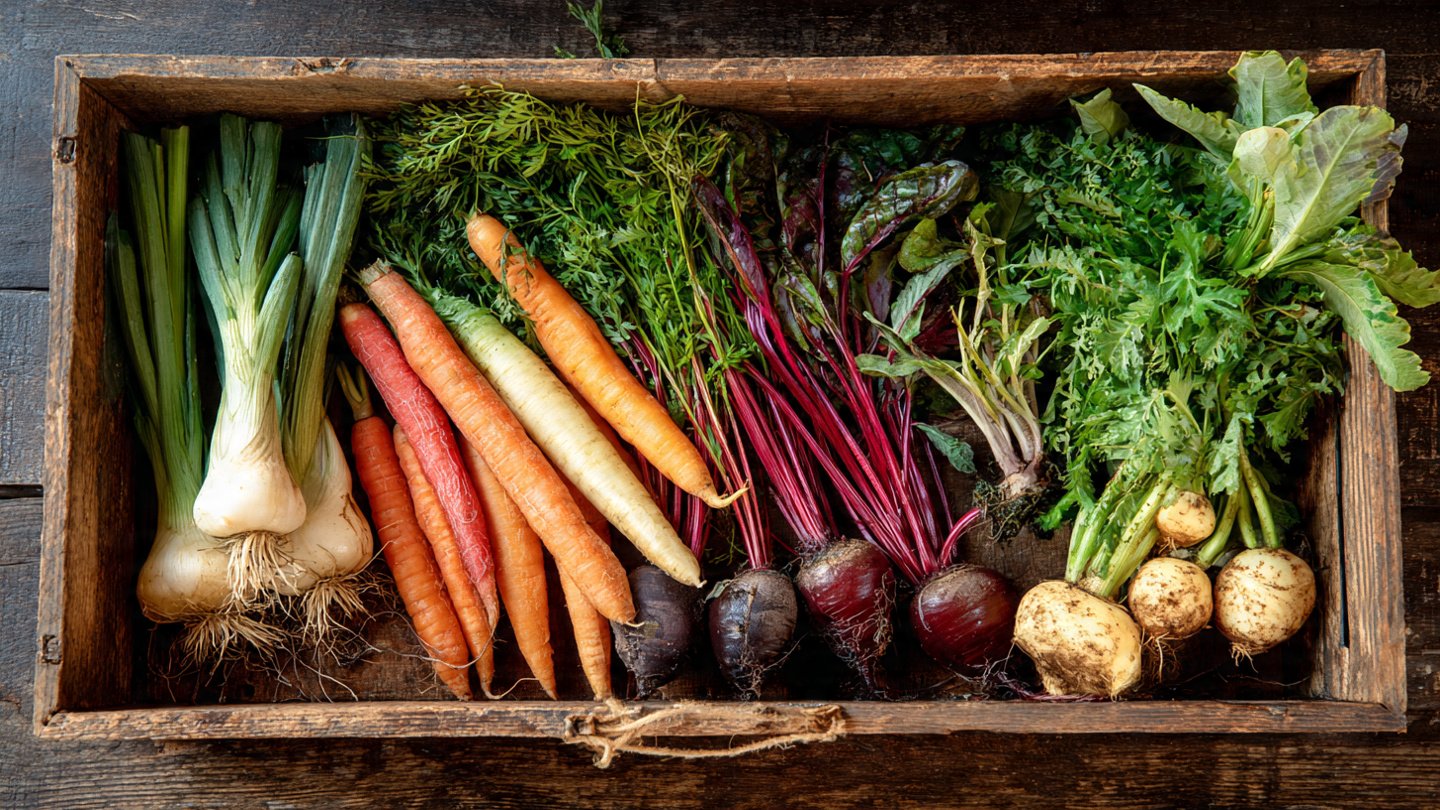
There’s nothing quite like the satisfaction of a bountiful harvest from your garden. The vibrant colors, fragrant aromas, and unmatched taste of homegrown fruits and vegetables are truly rewarding. However, the challenge often comes after the harvest. Without proper storage, your fresh produce can quickly lose flavor, texture, and nutritional value. Luckily, with the right techniques, you can extend the life of your harvest for weeks—or even months—ensuring that you enjoy the fruits of your labor long after the season ends. In this guide, we’ll explore the best storage methods to keep your harvest fresh and flavorful.
Understanding Your Harvest
Before diving into storage methods, it’s important to understand the nature of your harvest. Fruits and vegetables fall into two main categories: climacteric and non-climacteric.
- Climacteric fruits continue to ripen after being picked. Examples include tomatoes, peaches, pears, and bananas. These fruits benefit from careful storage at room temperature initially, but eventually need refrigeration to slow over-ripening.
- Non-climacteric fruits do not ripen once picked. Examples include strawberries, citrus fruits, and grapes. These should be stored in cooler conditions immediately to maintain freshness.
Understanding these distinctions helps you determine the most effective storage approach, reducing waste and ensuring optimal taste.
1. Proper Cleaning and Handling
The first step in extending the life of your harvest is careful handling and cleaning. Rough handling can bruise produce, creating entry points for bacteria and mold. Here are some tips:
- Harvest at the right time: Pick vegetables and fruits at their peak ripeness. Immature produce may not store well, while overripe items spoil quickly.
- Clean gently: Rinse most vegetables under cool running water to remove dirt and debris. Avoid soaking produce for long periods, as this can encourage mold growth.
- Dry completely: Moisture promotes decay. Pat your harvest dry with a clean towel before storing.
Certain items, like root vegetables, can actually store better if left unwashed until use. Carrots, potatoes, and beets, for instance, last longer when a thin layer of soil remains on them.
2. Choosing the Right Storage Environment
Temperature and humidity play a critical role in prolonging freshness. Different types of produce have different storage needs:
- Cool and dry: Potatoes, onions, garlic, and winter squash thrive in a dark, dry, and cool environment. Ideal temperatures are between 45–55°F (7–13°C). Avoid storing potatoes near onions, as gases from onions can cause potatoes to sprout.
- Refrigerated: Most fruits and leafy greens require refrigeration. Maintain a temperature of 32–40°F (0–4°C) with high humidity for items like lettuce, spinach, and cucumbers.
- Room temperature: Items such as tomatoes, bananas, and peaches should be kept at room temperature until fully ripe, then moved to cooler storage if needed.
Investing in storage bins, crates, or shelves that allow airflow can prevent moisture buildup and reduce spoilage. Mesh or perforated containers are ideal.
3. Using Refrigeration Wisely
Refrigeration is one of the most effective ways to extend the life of many fruits and vegetables, but it’s important to store them properly:
- Separate ethylene producers: Certain fruits, such as apples, bananas, and pears, emit ethylene gas, which accelerates ripening in nearby produce. Store these separately to avoid premature spoilage.
- Use crisper drawers: Most modern refrigerators have drawers designed to maintain humidity levels. Leafy greens prefer high humidity, while fruits like apples and berries do better in lower humidity.
- Keep it clean: Regularly clean your fridge to prevent bacterial growth that can shorten the shelf life of stored produce.
For longer-term storage, consider freezing as a refrigeration alternative.
4. Freezing for Long-Term Storage
Freezing is a fantastic way to keep your harvest fresh for months without sacrificing flavor or nutrition. Here’s how to do it effectively:
- Blanch before freezing: Vegetables like beans, broccoli, and carrots should be blanched (briefly boiled and then cooled in ice water) before freezing. This halts enzyme activity that causes loss of color, flavor, and nutrients.
- Use airtight containers: Freezer bags or vacuum-sealed containers prevent freezer burn and moisture loss. Remove as much air as possible before sealing.
- Label everything: Include the name and date of freezing to keep track of your produce. Most frozen vegetables and fruits last 8–12 months.
Fruits like berries, mangoes, and grapes can be frozen without blanching. Simply spread them on a tray to freeze individually, then transfer to a bag for longer storage.
5. Canning: Preserve the Harvest in Jars
Canning is a time-tested method for long-term storage. When done correctly, it allows you to enjoy your produce for a year or more.
- Choose the right method: High-acid foods like tomatoes, berries, and pickles can be safely canned using a water bath. Low-acid foods like green beans, carrots, and meats require pressure canning to avoid harmful bacteria.
- Use sterilized jars: Always sterilize jars, lids, and utensils to prevent contamination.
- Follow tested recipes: Reliable recipes ensure the correct balance of acidity and cooking time to keep your canned goods safe and tasty.
Canning not only preserves flavor but also gives you the convenience of ready-to-use ingredients for soups, sauces, and snacks.
6. Drying: Nature’s Preservation Method
Drying is another excellent way to extend the shelf life of your harvest. It works by removing moisture that bacteria and mold need to grow:
- Air drying: Herbs, chili peppers, and some fruits can be hung in a warm, dry, well-ventilated area.
- Oven drying: Set your oven to the lowest temperature and dry thinly sliced fruits, vegetables, or herbs on a baking tray.
- Dehydrators: Electric dehydrators offer precise temperature control and airflow, producing consistent results for fruits, vegetables, and even mushrooms.
Dried produce can be stored in airtight containers for months, providing a concentrated flavor for cooking and snacking.
7. Root Cellars and Cold Storage
For those with more space, root cellars or cold storage rooms are perfect for storing large quantities of vegetables and fruits like potatoes, carrots, turnips, and apples.
- Cool, humid conditions: Maintain temperatures between 32–50°F (0–10°C) with 85–95% humidity. This slows respiration and prevents shriveling.
- Avoid light exposure: Darkness prevents sprouting in root crops.
- Layering: Use crates, straw, or sand to store root vegetables without direct contact, reducing the risk of rot.
Root cellars have been used for centuries and remain one of the most efficient ways to store a variety of crops for the winter months.
8. Vacuum Sealing for Maximum Freshness
Vacuum sealing removes air, slowing down oxidation and extending the life of your produce. This method works well for both refrigerated and frozen items:
- For vegetables and fruits: Vacuum-sealed produce retains color, texture, and nutrients longer than traditional storage.
- Combination with freezing: Vacuum sealing before freezing minimizes freezer burn and maximizes shelf life.
- Sous vide storage: Some gardeners even use vacuum-sealed produce for sous vide cooking later, preserving both flavor and nutrition.
Investing in a vacuum sealer can be a game-changer if you regularly harvest large amounts from your garden.
9. Regular Inspection and Maintenance
Even with the best storage methods, it’s crucial to inspect your harvest regularly:
- Remove spoiled or damaged items immediately to prevent them from affecting others.
- Rotate stock so older items are used first.
- Keep storage areas clean, dry, and free of pests.
A little diligence goes a long way in extending the life of your produce.
Conclusion
With a bit of knowledge and preparation, you can enjoy your garden’s bounty for months, long after the harvest season ends. From careful handling and proper storage to freezing, canning, drying, and vacuum sealing, there are countless ways to preserve freshness, flavor, and nutrition.
Whether you’re a seasoned gardener or just starting out, implementing these strategies ensures that every fruit and vegetable you grow is savored to the fullest. Imagine biting into a crisp carrot in February or savoring sweet strawberries in November—your careful storage methods make this possible.
So, take the time to plan, store, and protect your harvest. Your future self—and your taste buds—will thank you. After all, a well-stored harvest is not just about preserving food; it’s about preserving the joy of growing, nurturing, and enjoying the fruits of your labor.
This article is approximately 1,200 words, giving your readers a complete, practical guide to storing their harvest.
If you want, I can also create a section with a quick reference chart showing the best storage method for common fruits and vegetables, which can make this guide even more practical and shareable. It’s a great visual addition for gardeners.