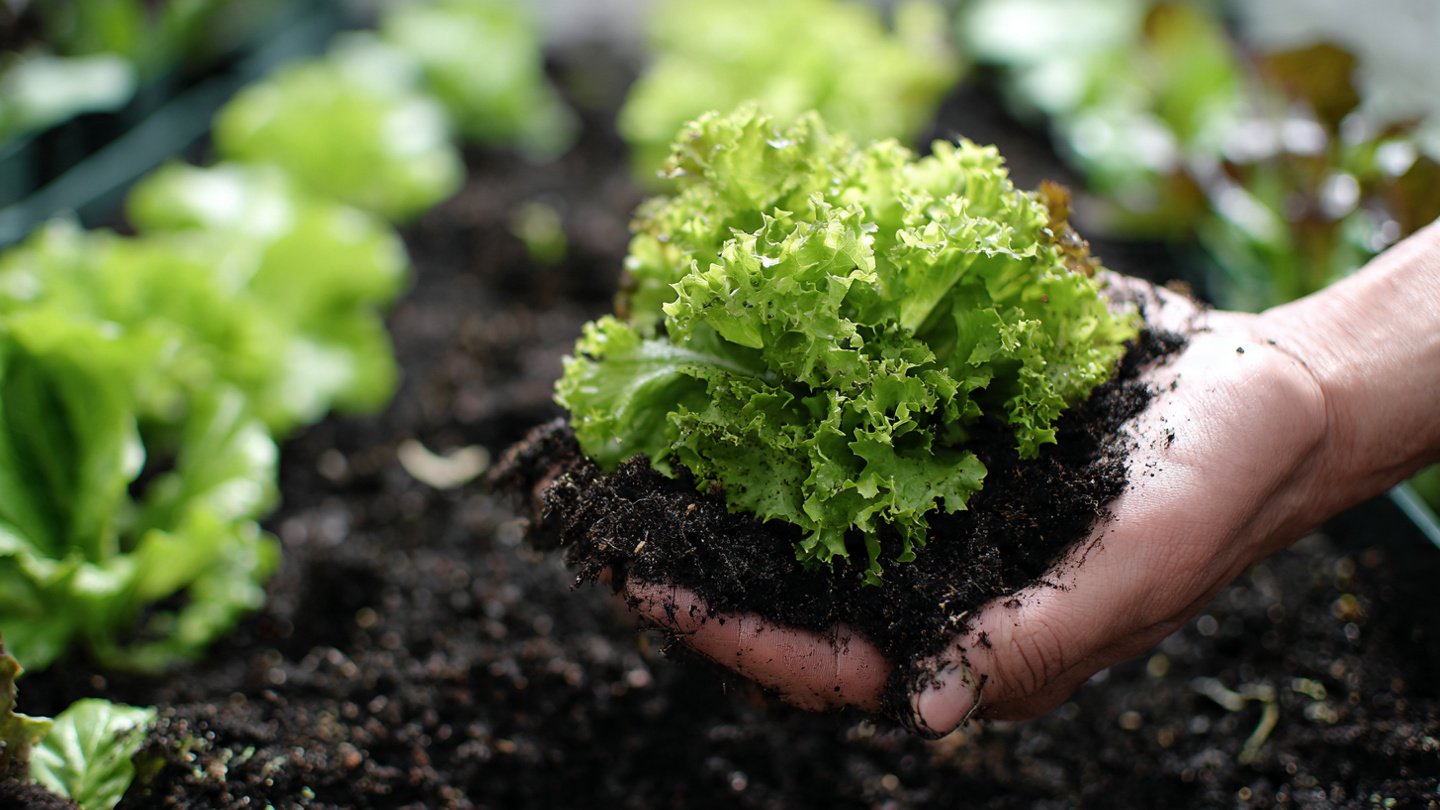
Compost is often called “black gold” by gardeners—and for good reason. It enriches the soil, improves plant health, and reduces the need for chemical fertilizers. But what happens if you take it a step further and grow vegetables in 100 percent pure compost? Is it a gardener’s dream, or could it create unexpected challenges?
In this article, we’ll explore what happens when vegetables are planted in pure compost, the pros and cons, and how to make the most of this nutrient-rich medium for a thriving, productive garden.
Understanding Compost
Before diving into pure compost gardening, it’s important to understand what compost is. Compost is decomposed organic matter, including kitchen scraps, garden waste, leaves, and sometimes manure. Over time, microbes break down these materials into a rich, dark soil-like substance full of nutrients, beneficial bacteria, and organic matter.
Key characteristics of compost:
- Nutrient-rich: Contains nitrogen, phosphorus, potassium, and trace elements.
- Moisture-retentive: Holds water well while improving drainage in normal soil.
- Improves soil structure: Adds aeration and organic matter when mixed with garden soil.
Traditionally, compost is used as an amendment, blended into soil rather than used as the sole growing medium. But many gardeners wonder—can vegetables grow directly in 100 percent compost?
The Benefits of Growing Vegetables in Pure Compost
Using pure compost as a growing medium has several advantages, especially if it is well-aged, fine-textured, and fully decomposed:
1. Nutrient Abundance
Vegetables require essential nutrients to thrive. Compost is naturally rich in nitrogen, phosphorus, potassium, calcium, magnesium, and trace minerals. Planting in pure compost gives vegetables direct access to nutrients, often resulting in faster growth and lush, green foliage.
2. Increased Microbial Activity
Compost contains beneficial microbes, fungi, and bacteria that promote root health, suppress harmful pathogens, and improve nutrient uptake. Vegetables in 100 percent compost often benefit from a healthy soil ecosystem that encourages stronger, more resilient plants.
3. Excellent Moisture Retention
Pure compost holds water exceptionally well, which is particularly beneficial in dry climates or for container gardening. Roots can access water easily, reducing the need for frequent watering.
4. Reduced Need for Fertilizers
Because compost is already nutrient-rich, gardeners often find they don’t need to apply synthetic fertilizers. This can make vegetable growing more organic, sustainable, and cost-effective.
Challenges of Using 100 Percent Compost
Despite its advantages, there are some potential challenges when growing vegetables in pure compost. Understanding these issues is key to avoiding problems in your garden.
1. Nutrient Imbalance
While compost is nutrient-rich, using it alone can sometimes result in too much nitrogen, which encourages leafy growth at the expense of flowers and fruit. For fruiting vegetables like tomatoes, peppers, and beans, this may reduce yields if not managed carefully.
2. Excess Moisture and Poor Drainage
Compost holds water well, but 100 percent compost can become waterlogged, especially in containers or areas with poor drainage. Waterlogged roots may suffocate, leading to rot or stunted growth.
3. pH Variability
The pH of compost can vary depending on the source material. Most vegetables prefer slightly acidic to neutral soil (pH 6–7). Pure compost may be too acidic or too alkaline, affecting nutrient uptake.
4. Lack of Structure
While compost adds organic matter to normal soil, pure compost may be too loose or fine, offering little structural support for plant roots. Tall plants or those with heavy fruit may require extra staking or support.
How Vegetables Typically Respond
When vegetables are grown in pure compost, several patterns emerge:
1. Rapid Leaf Growth
Because compost is rich in nitrogen, leafy vegetables such as lettuce, spinach, kale, and chard thrive. Expect lush, vibrant green leaves and fast growth. These crops are ideal for pure compost gardens.
2. Possible Reduced Fruit Production
For fruiting vegetables like tomatoes, peppers, eggplants, or beans, growth may favor foliage over fruit if nitrogen is too high. Careful nutrient management, including adding low-nitrogen fertilizers, may help balance growth.
3. Strong Root Development
Compost encourages fibrous root systems that explore the medium easily. This is excellent for water and nutrient uptake, especially in crops like carrots or beets if the compost is coarse and loose.
4. Increased Resistance to Pests and Diseases
The microbial activity in compost can suppress some soil-borne diseases and attract beneficial insects. Healthy, well-fed plants are also more resilient against pests.
Tips for Successfully Growing Vegetables in Pure Compost
If you want to grow vegetables in 100 percent compost, follow these practical tips to maximize success:
1. Use Well-Matured Compost
- Only use fully decomposed, mature compost.
- Avoid compost that is fresh or “hot,” as it may contain pathogens or release too much ammonia.
2. Monitor Moisture Levels
- Compost retains water but can become soggy.
- Water carefully and ensure containers or beds have drainage holes to prevent root rot.
3. Select Suitable Vegetables
- Best choices for pure compost: leafy greens, herbs, and fast-growing crops.
- Fruiting crops may need additional nutrients or slightly amended soil for optimal yields.
4. Regular Fertility Checks
- Test the compost for pH and nutrient levels if possible.
- Add amendments like wood ash, lime, or balanced organic fertilizers if necessary to balance nutrients.
5. Provide Structural Support
- Use stakes, cages, or trellises for taller plants or heavy fruiting crops.
- Bush-type plants and leafy greens usually need no extra support.
6. Rotate Crops
- Even in pure compost, rotating crops prevents nutrient depletion and reduces the buildup of pests or pathogens.
Container vs. Ground Growing
Growing vegetables in pure compost can be done in containers, raised beds, or directly in the garden.
Containers
- Ideal for urban or small-space gardens.
- Ensure pots have good drainage holes.
- Watch moisture levels closely; compost dries faster in containers.
Raised Beds or Garden Plots
- Layer compost in beds or mounds to improve drainage.
- Mixing with coarse materials like sand or coconut coir can help prevent compaction and waterlogging.
Signs of a Thriving Pure Compost Garden
A healthy vegetable garden in 100 percent compost will show several positive indicators:
- Vibrant green leaves with no yellowing or stunted growth.
- Rapid growth and strong root systems, easily visible in containers when roots reach the bottom.
- Regular flowering and fruiting (for flowering or fruiting crops).
- Minimal pest or disease problems, thanks to healthy soil biology.
If any of these signs are missing, adjustments in watering, pH, or nutrient balance may be required.
Final Thoughts
Growing vegetables in 100 percent pure compost is both possible and rewarding, especially for leafy greens and herbs. The high nutrient content, microbial activity, and moisture retention can result in vigorous, lush plants and a productive harvest. However, pure compost requires careful management to prevent nutrient imbalances, waterlogging, and structural challenges.
By using well-aged compost, monitoring water and nutrient levels, and selecting the right crops, gardeners can enjoy the full benefits of pure compost growing. Whether you’re experimenting in containers, raised beds, or directly in your garden, this method can produce healthy, resilient, and highly productive vegetables—truly a gardener’s delight.