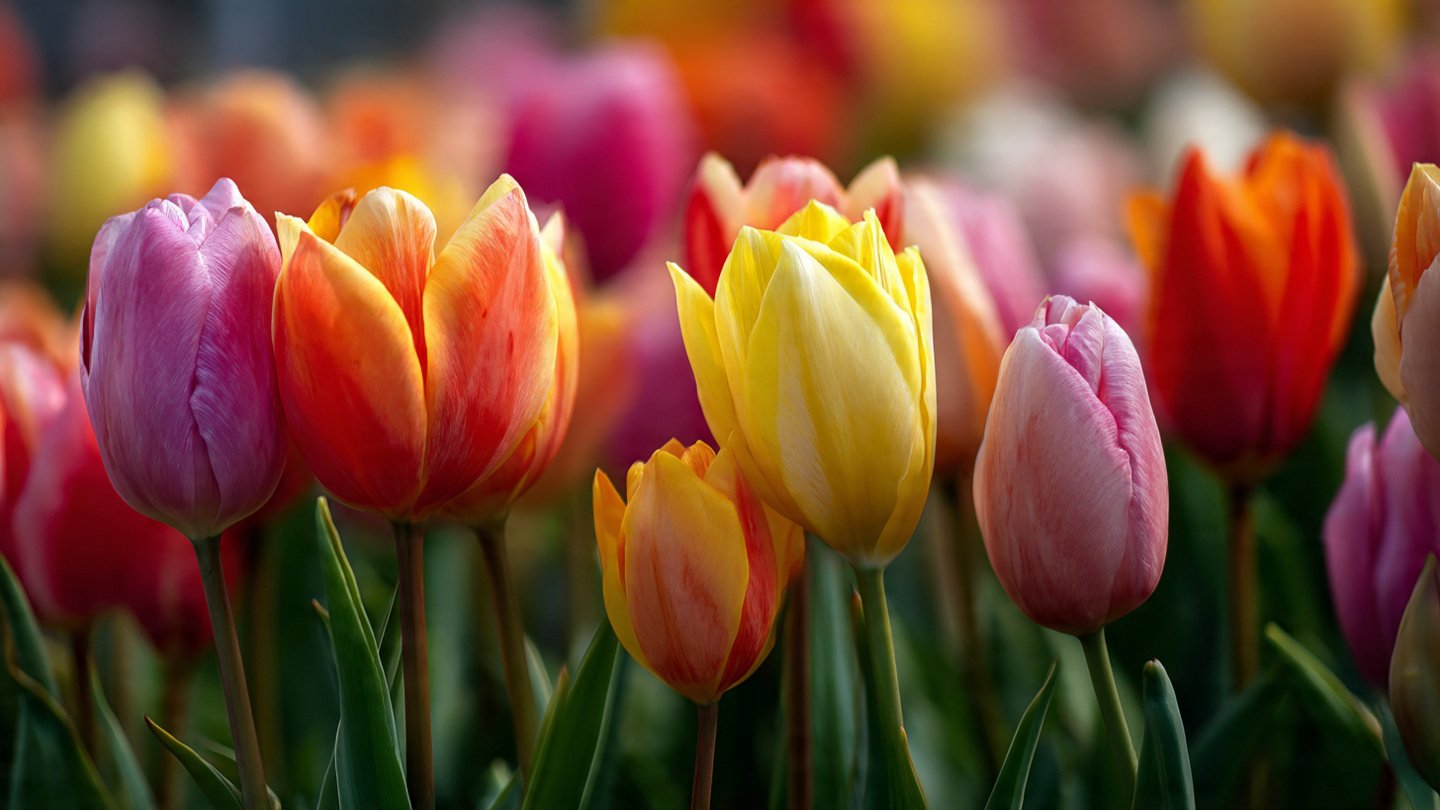
Tulips are among the most beloved spring flowers, celebrated for their vibrant colors and elegant shapes. Many gardeners eagerly await the first blooms each year, hoping for a stunning display in their garden beds or pots. However, one common problem can dampen this joy: yellowing tulip leaves before the plant has fully matured. Yellow leaves not only affect the aesthetic appeal of your garden but may also indicate underlying issues that could impact the health of your bulbs. Understanding the causes of this early yellowing and how to prevent it is crucial for maintaining healthy, flourishing tulips.
Understanding the Lifecycle of Tulip Leaves
To diagnose why your tulip leaves are turning yellow prematurely, it helps to understand the normal lifecycle of tulip foliage. Tulip leaves play a critical role in photosynthesis, the process by which plants convert sunlight into energy to nourish the bulb. After blooming, the leaves usually remain green for several weeks to allow the bulb to store energy for the following season. Eventually, it is natural for leaves to yellow and die back once the energy transfer is complete.
Premature yellowing, however, occurs when the leaves lose their green color before the plant has fully bloomed or before the post-bloom period has ended. This is a sign that the plant is stressed or unhealthy.
Common Causes of Early Yellowing
Several factors can cause tulip leaves to yellow too soon. By identifying the root cause, gardeners can take effective steps to prevent it.
1. Overwatering or Poor Drainage
Tulips grow from bulbs that are prone to rot if kept in soggy soil. Excess water prevents proper oxygen circulation around the roots, causing stress and yellowing leaves. Overwatering often occurs when gardeners:
- Water too frequently, assuming the bulbs need constant moisture.
- Plant tulips in low-lying areas where water tends to pool.
- Use containers without adequate drainage holes.
Prevention: Plant tulips in well-draining soil and water only when the top inch of soil feels dry. Raised beds or containers with drainage holes can help prevent waterlogging.
2. Underwatering or Drought Stress
While overwatering is a common issue, insufficient water can also cause tulip leaves to yellow prematurely. Tulips require consistent moisture during active growth, especially after flowering when leaves are storing energy in the bulb. Without adequate water, the leaves become stressed, turn yellow, and may wilt.
Prevention: Water tulips regularly, particularly during dry spells, but avoid saturating the soil. A slow, deep watering once or twice a week is usually sufficient.
3. Nutrient Deficiency
Tulips require a balanced supply of nutrients for healthy growth. A lack of essential elements, particularly nitrogen, can cause leaves to yellow. Nitrogen is a vital component of chlorophyll, the pigment responsible for the green color in leaves. Deficiency often appears as yellowing starting at the tips and edges, eventually spreading to the entire leaf.
Prevention: Apply a balanced fertilizer at planting time and again after flowering to replenish nutrients in the soil. Slow-release bulbs fertilizers or a liquid fertilizer with higher nitrogen content can help maintain healthy foliage.
4. Disease and Pests
Tulips are susceptible to several diseases and pests that can lead to yellow leaves:
- Fungal infections, such as Botrytis tulipae (gray mold), can cause spots and yellowing.
- Tulip breaking virus can distort growth and discolor leaves.
- Bulb rot caused by fungi or bacteria can weaken the plant, causing leaves to yellow early.
- Aphids or nematodes may damage leaves and stems, leading to discoloration.
Prevention:
- Plant disease-free bulbs and rotate planting locations yearly to prevent soil-borne diseases.
- Inspect plants regularly for pests and treat infestations promptly with insecticidal soap or other appropriate measures.
- Avoid overhead watering that can promote fungal growth.
5. Environmental Stress
Tulips are sensitive to extreme environmental conditions. Stress factors that can trigger yellowing include:
- Excessive heat or sun exposure: Tulips prefer cool to moderate temperatures; prolonged heat can cause leaves to yellow.
- Cold damage: A late frost can injure young leaves, causing yellowing.
- Wind exposure: Strong winds can dry out leaves and stress the plant.
Prevention:
- Plant tulips in areas with partial sunlight and shelter from strong winds.
- Mulch around the base of the plant to retain soil moisture and moderate temperature.
- Protect young shoots from unexpected frost with a lightweight cover.
6. Natural Post-Bloom Decline
Sometimes, yellowing leaves are simply part of the natural lifecycle. After tulips bloom, leaves begin to senesce (age) as they transfer stored nutrients back into the bulb for the next season. However, many gardeners mistakenly assume this is premature yellowing. If the leaves yellow after blooming but the plant looks healthy otherwise, it’s normal.
Prevention:
- Avoid cutting leaves immediately after flowering; allow them to die back naturally to ensure the bulb stores enough energy.
- Continue watering until leaves have fully yellowed and dried.
How to Prevent Early Yellowing in Tulips
Prevention is always better than intervention. Here’s a summary of best practices for keeping tulip leaves healthy:
1. Choose Quality Bulbs
Start with disease-free, high-quality bulbs from reputable suppliers. Healthy bulbs are less prone to disease and premature leaf yellowing.
2. Plant in Optimal Soil
Tulips thrive in well-draining soil with slightly acidic to neutral pH (6.0–7.0). Avoid heavy clay or waterlogged areas. If necessary, amend soil with sand or organic matter to improve drainage.
3. Proper Watering
- Water newly planted bulbs thoroughly.
- During active growth, provide deep watering once or twice a week.
- Reduce watering after leaves begin to yellow naturally.
4. Fertilization
- Apply a balanced bulb fertilizer when planting.
- Fertilize lightly in early spring as shoots emerge.
- Avoid excessive nitrogen during flowering, as it can encourage foliage at the expense of blooms.
5. Pest and Disease Management
- Inspect bulbs and foliage regularly.
- Remove infected leaves and treat fungal issues promptly.
- Rotate planting sites to prevent soil-borne diseases.
6. Mulching and Environmental Protection
- Mulch to conserve moisture and regulate soil temperature.
- Shield plants from harsh winds and late frosts using covers or temporary shelters.
- Avoid planting tulips in areas with extreme heat or reflected sunlight.
7. Allow Leaves to Mature
Resist the urge to cut leaves too early. The green foliage is essential for photosynthesis and bulb nourishment. Only remove leaves once they are fully yellow and dry.
Conclusion
Early yellowing of tulip leaves is a common issue that can be caused by environmental stress, improper watering, nutrient deficiencies, pests, diseases, or simply misunderstanding the plant’s lifecycle. By carefully observing your tulips, providing the right growing conditions, and following proper care practices, you can prevent premature yellowing and ensure healthy, vibrant blooms year after year.
Remember, healthy leaves are just as important as colorful flowers. They are the lifeline of your tulip bulbs, storing energy for future growth. With the right approach, your tulips can thrive and provide a stunning display every spring, free from the disappointment of yellowed foliage cutting short the beauty of your garden.