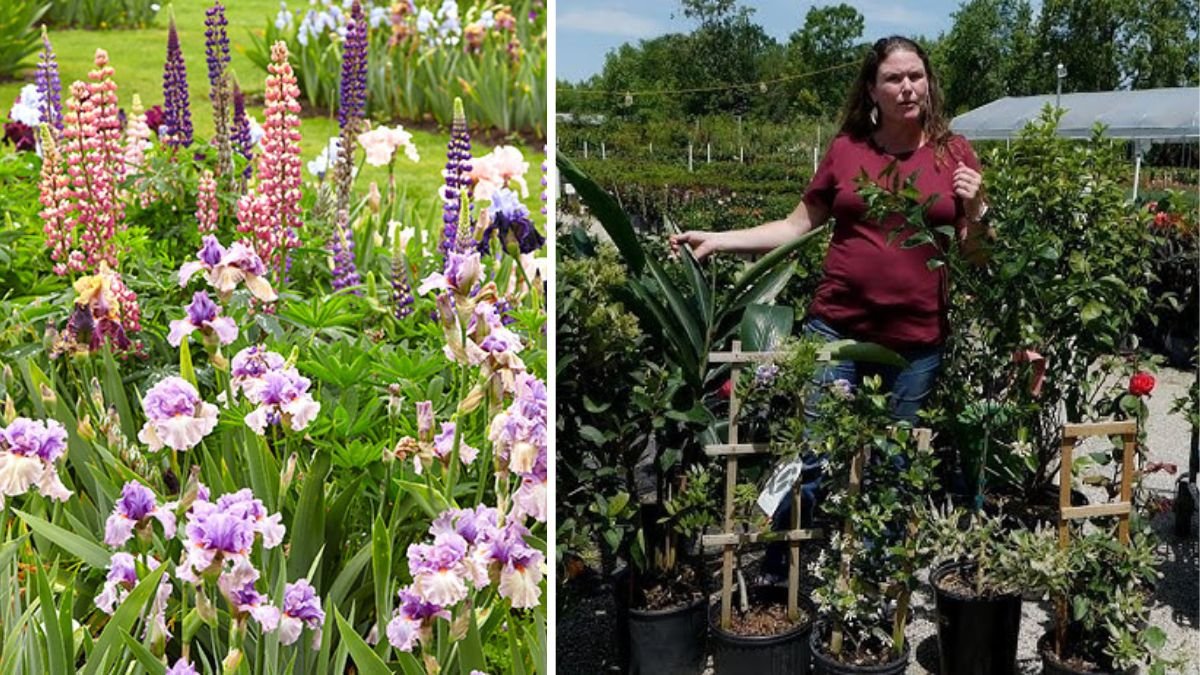
A garden that smells as delightful as it looks is a gift for the senses. Fragrance has the power to transport you, evoke memories, and create an atmosphere of calm and well-being. Many gardeners focus on colors and blooms, but the secret to a truly captivating garden lies in scent. Cultivating a fragrant garden all year long requires careful planning, plant selection, and thoughtful placement. With the right strategies, you can enjoy seasonal aromas that transform your outdoor space into an aromatic sanctuary.
Understanding Seasonal Fragrance
The key to year-round fragrance is understanding which plants bloom and release scents in each season. Some plants are spring-only, like lilacs and hyacinths, while others thrive in summer heat or autumn chill. By selecting plants with staggered bloom times, you can maintain a continuous flow of scent.
- Spring: This is the season of renewal, and many flowers have powerful aromas. Hyacinths, daffodils, lilacs, and cherry blossoms provide a heady, sweet fragrance. Spring-blooming herbs like rosemary and thyme also release subtle scents when brushed against.
- Summer: The warm months bring bold scents from roses, gardenias, jasmine, and lavender. Summer evenings are perfect for night-scented flowers like evening primrose or night-blooming jasmine, which release fragrance as temperatures drop.
- Autumn: Fall isn’t often associated with strong scents, but some plants like sweet alyssum, chrysanthemums, and certain sedums can provide gentle aromas. Herbs such as sage and oregano continue to release fragrance during this season.
- Winter: In colder climates, winter fragrance can be a challenge, but plants like witch hazel, hellebores, camellias, and daphne provide delicate scents. Evergreen herbs, such as rosemary and pine-scented conifers, also contribute to aroma when the air is crisp.
By planting with seasonal fragrance in mind, you ensure that no matter the month, there’s always something in your garden to smell and enjoy.
Choosing Fragrant Plants
Selecting plants known for their scent is the foundation of a fragrant garden. Consider the intensity, timing, and nature of each plant’s fragrance when designing your garden.
- Roses: Known as the quintessential fragrant flower, many old garden and hybrid tea roses have heady scents ranging from sweet to spicy. Plant varieties such as Rosa ‘Damask’ or Rosa ‘Gertrude Jekyll’ for maximum aroma in summer and early autumn.
- Jasmine: This vining beauty offers intoxicating summer and nighttime fragrance. Jasminum sambac releases a sweet scent ideal for evening enjoyment, while climbing jasmine varieties can enhance fences, trellises, or pergolas.
- Lavender: A classic herb with both scent and visual appeal, lavender thrives in sunny, well-drained areas. Its calming fragrance is most prominent in summer, and the dried flowers can be used for potpourri or sachets, extending enjoyment indoors.
- Gardenia: Known for their creamy white blooms and heady aroma, gardenias are a staple in fragrant gardens. They prefer slightly acidic soil and partial shade, producing a luxurious scent during summer months.
- Hellebores and Daphne: For winter and early spring scent, consider hellebores and shrubs like Daphne odora, which produce subtle but appealing fragrances during colder months.
Additionally, herbs like mint, rosemary, thyme, and basil are dual-purpose plants that release fragrance when touched and are useful for cooking. Their scents are released even when the plants are not flowering, contributing to year-round aromatic interest.
Strategic Garden Design for Maximum Fragrance
Plant placement and garden layout are just as important as plant selection for cultivating a fragrant garden.
- Pathways: Position fragrant plants along walkways so their scents are released as you pass. Plants like lavender, thyme, and sweet alyssum work wonderfully in border edges and stepping-stone gardens.
- Seating Areas: Ensure aromatic plants surround patios, decks, and benches. Night-blooming jasmine or gardenia near outdoor seating can create enchanting evening scents.
- Layering Heights: Taller fragrant shrubs, like lilacs or roses, provide a backdrop while smaller groundcover herbs release scent closer to ground level, maximizing sensory impact.
- Containers and Hanging Baskets: These allow flexibility. You can move fragrant plants closer to windows, doorways, or seating areas, enhancing their impact. For example, a pot of rosemary or lemon verbena on a terrace ensures fragrance is accessible whenever you’re nearby.
Enhancing Fragrance Naturally
Several techniques can amplify the scent in your garden without overwhelming the senses:
- Pruning: Regular pruning of flowering plants encourages new blooms and concentrates fragrance in younger leaves and flowers. Deadheading roses, for example, not only extends flowering but keeps the scent strong.
- Companion Planting: Group plants with complementary scents to create layered aromatic experiences. Pairing lavender with rosemary or sage produces a Mediterranean-inspired bouquet of aromas.
- Night-Scented Plants: Include plants that release fragrance in the evening or at night to extend enjoyment beyond daylight hours. Night-blooming jasmine, four o’clocks, and evening primrose are excellent choices.
- Watering Wisely: Some plants release stronger scents after being watered. Morning watering allows fragrance to rise with the sun, creating an aromatic garden throughout the day.
- Mulching and Soil Care: Healthy soil encourages robust plant growth and stronger fragrance. Organic mulch preserves moisture and encourages beneficial microbial activity, improving both scent and flower health.
Layering Sensory Experiences
A fragrant garden is more than just aroma; it’s about the overall sensory experience. Combining scent with textures, colors, and seasonal interest creates a multidimensional garden that delights every sense:
- Visual Appeal: Dark green foliage with colorful flowers draws the eye and sets off fragrant blooms. Plants like deep burgundy Heucheras paired with pale pink or white flowers enhance both fragrance and aesthetic impact.
- Touch: Textured leaves like lamb’s ear, rosemary, or sage provide a tactile dimension, and brushing against them releases additional scents.
- Sound: The rustling of grasses or leaves in the breeze adds another layer, making the garden immersive and relaxing.
Year-Round Fragrance Planning
To achieve continuous aroma, plan your garden as a “fragrance calendar.” List plants by their peak scent months, and strategically place them to ensure overlap:
- Spring: Hyacinths, lilacs, cherry blossoms, early herbs like rosemary and thyme.
- Summer: Roses, gardenias, lavender, jasmine.
- Autumn: Chrysanthemums, sedums, autumn herbs.
- Winter: Daphne, hellebores, evergreen herbs like rosemary and pine-scented conifers.
By staggering bloom times and scent intensity, you ensure there’s always an aromatic presence in your garden.
Common Mistakes to Avoid
Even fragrant gardens can underperform if certain pitfalls are ignored:
- Overcrowding: Plants need airflow to release scent effectively. Crowding can lead to fungal issues and reduced fragrance.
- Ignoring Soil and Light Requirements: Fragrant plants are healthiest when their basic needs are met. Poor conditions reduce bloom and aroma intensity.
- Neglecting Maintenance: Deadheading, pruning, and feeding plants regularly is essential for sustained fragrance and flower production.
- Focusing Solely on Flowers: Many aromatic herbs and foliage plants release scent even when not flowering. Incorporate both types for continuous aroma.
Conclusion
Cultivating a fragrant garden all year long is an art that combines botanical knowledge, planning, and sensory awareness. By selecting plants with varying bloom times, complementary aromas, and robust foliage, you can create a garden that delights the senses from spring through winter. Proper placement, pruning, soil care, and layering of scents ensure that fragrance is experienced at every corner and during every season.
From the intoxicating blooms of summer roses and gardenias to the subtle, understated scent of winter daphne, every plant contributes to a harmonious aromatic tapestry. Herbs, night-blooming flowers, and foliage plants enhance the sensory experience while offering utility and texture.
Ultimately, a fragrant garden is not just about individual plants—it’s about thoughtful combinations, seasonal planning, and mindful care. By embracing these principles, you can enjoy a garden that isn’t just visually stunning, but also a sanctuary of year-round fragrance, providing endless delight and creating a space where every step is a sensory experience.