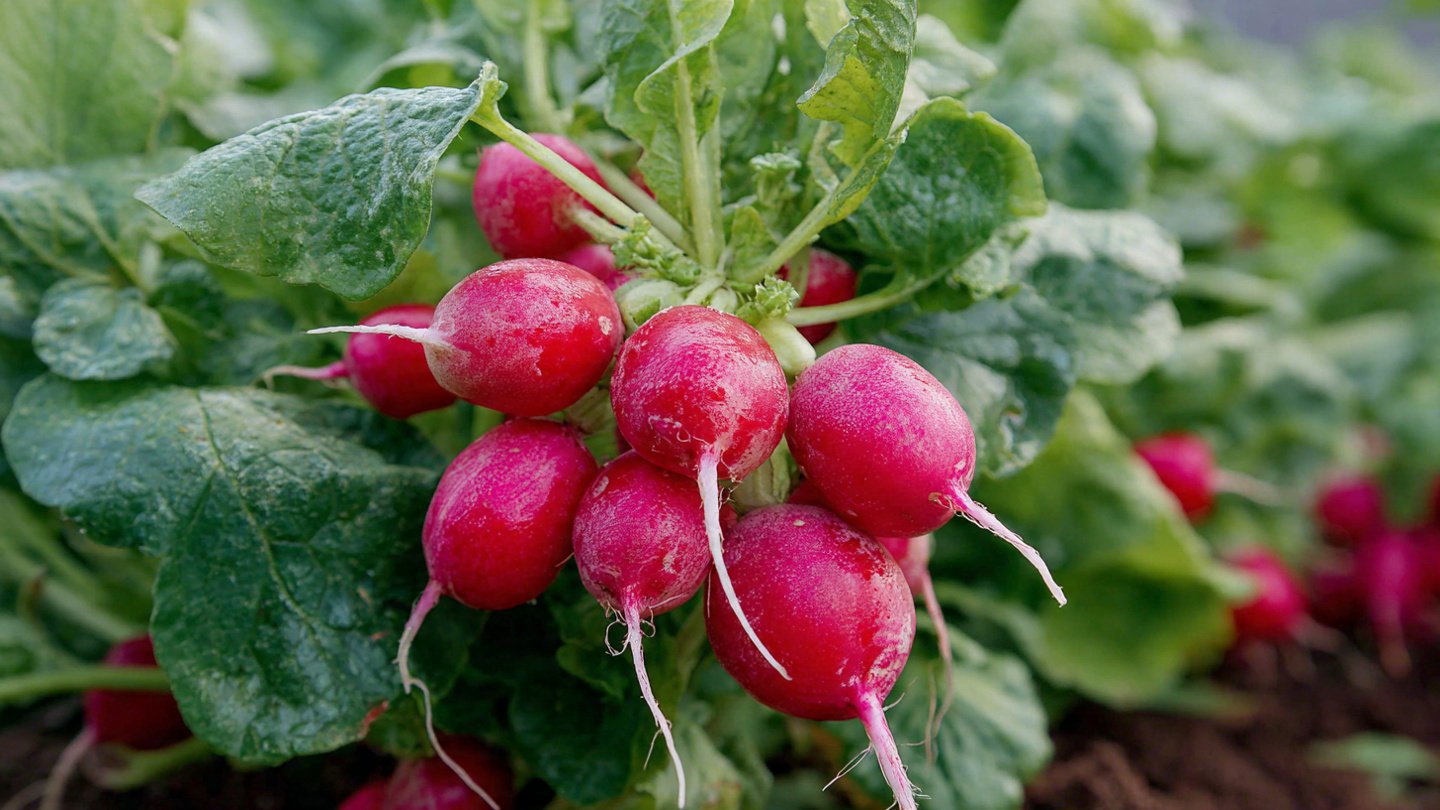
If you’re looking for one of the fastest vegetables to grow in your garden, radishes are your go-to option. They are known for their crisp texture, peppery flavor, and, most importantly, their incredibly short growing cycle. Some radish varieties can mature in as little as 20 days, making them perfect for impatient gardeners or those who want a quick harvest. Whether you have a backyard garden, balcony, or even a sunny windowsill, you can enjoy fresh radishes in under three weeks if you follow the right techniques.
This guide will take you step by step through everything you need to know—from choosing the right seeds to harvesting perfectly mature radishes—so you can enjoy a fresh, homegrown snack in record time.
1. Choose the Right Variety
Radishes come in many shapes, sizes, and growth cycles. If your goal is a quick harvest, you’ll want fast-maturing varieties. Some of the best options include:
- Cherry Belle: A classic red radish, ready in 20–25 days.
- French Breakfast: Mild, elongated radishes that grow in about 21 days.
- Saxa: Crisp and round, matures in 20–22 days.
- Sparkler: White with red tips, often ready in 22 days.
Avoid larger or winter varieties, as they take significantly longer to mature. Choosing the correct seed ensures you stay within the three-week timeline.
2. Pick the Right Planting Location
Radishes thrive in full sun, but they can tolerate partial shade. The key is to provide at least 6 hours of sunlight per day.
Soil Requirements:
- Type: Loose, well-draining soil.
- pH: Slightly acidic to neutral (6.0–7.0).
- Nutrients: Radishes don’t need heavy fertilization, but adding compost can boost growth.
Avoid compacted or clay-heavy soil because radishes grow underground, and hard soil will deform the roots.
3. Timing Matters
Radishes grow fastest in cool weather. Ideal planting times include:
- Spring: As soon as the soil can be worked.
- Fall: A second harvest before frost sets in.
Avoid planting in extremely hot summer months, as heat can make radishes grow quickly but result in bitter, woody roots.
4. Seed Preparation and Sowing
Radish seeds are tiny, so handle them carefully.
Steps:
- Loosen soil with a garden fork or trowel.
- Create shallow rows about ½ inch deep.
- Space seeds 1 inch apart for small varieties; 2 inches for larger ones.
- Cover lightly with soil and gently pat down.
- Water immediately but gently to avoid washing away seeds.
Tip: For an even faster harvest, soak seeds in water for 6–12 hours before planting. This helps speed up germination.
5. Watering for Rapid Growth
Radishes need consistent moisture. Dry soil slows root development, while soggy soil can rot the seeds.
Best Practices:
- Water lightly once or twice a day, depending on temperature.
- Avoid waterlogging.
- Mulch lightly with straw or leaves to retain soil moisture and keep roots cool.
Proper watering ensures your radishes grow evenly and stay tender.
6. Fertilization
Radishes don’t require heavy feeding. Too much nitrogen encourages leafy growth but reduces root size.
Recommended Fertilizers:
- A balanced organic fertilizer (NPK 5:5:5 or 10:10:10).
- Compost mixed into the soil before planting.
Tip: Avoid applying fertilizer directly over seeds, as it can burn them. Mix thoroughly with soil for even distribution.
7. Thinning Seedlings
Radish seeds germinate quickly—often within 3–7 days. Once seedlings emerge, thin them to 1–2 inches apart to give roots room to grow.
Why Thinning Matters:
- Prevents overcrowding.
- Allows roots to develop into full-sized radishes.
- Improves air circulation, reducing disease risk.
Use scissors to snip seedlings at soil level instead of pulling them out to avoid disturbing neighboring plants.
8. Pest and Disease Management
Radishes are generally hardy, but rapid growth and proper care minimize issues.
Common Pests:
- Flea beetles: Small holes in leaves; use row covers for protection.
- Root maggots: Lay eggs in soil; rotate crops and avoid planting in the same spot each season.
Diseases:
- Downy mildew or damping-off: Can affect seedlings. Ensure good airflow, proper spacing, and avoid overwatering.
Regularly check seedlings to catch problems early.
9. Light and Temperature Control for Indoors
If you’re growing radishes indoors:
- Use a south-facing window for sunlight.
- Grow lights can supplement 12–16 hours of light daily.
- Maintain indoor temperatures around 15–20°C (60–68°F) for optimal growth.
Indoor radishes can be grown in trays, pots, or even recycled containers like yogurt cups or egg cartons.
10. Harvesting in Less Than Three Weeks
With the right variety and care, your radishes can be ready in 18–21 days.
Signs to Harvest:
- Roots are firm and have reached the expected size.
- Leaves are healthy and vibrant.
- Radishes are not woody or cracked.
Harvesting Tips:
- Gently pull the radish by the base of the leaves.
- Avoid leaving them in the soil too long, as they can become bitter or pithy.
- Harvesting frequently encourages continuous production if you’re planting successive rows.
11. Maximizing Success for Continuous Harvests
To keep a steady supply:
- Succession Planting: Sow new seeds every 7–10 days.
- Spacing: Maintain proper spacing for healthy root development.
- Companion Planting: Radishes grow well alongside lettuce, spinach, and carrots, helping optimize garden space.
With these strategies, you can enjoy radishes continuously throughout the season.
12. Benefits of Growing Radishes at Home
Growing radishes quickly has several advantages:
- Nutrition: High in vitamin C, fiber, and antioxidants.
- Speed: Ready to eat in under three weeks.
- Space-efficient: Ideal for small gardens, containers, or indoor gardening.
- Rewarding: Offers almost instant gratification for beginner gardeners.
Plus, homegrown radishes have a fresh, crisp flavor far superior to store-bought options.
13. Troubleshooting Common Problems
Even with fast-growing radishes, you might face minor issues:
- Cracked roots: Often due to inconsistent watering.
- Bitter taste: Can result from high temperatures or leaving radishes in soil too long.
- Small roots: Usually caused by overcrowding or nutrient-poor soil.
Adjust watering, thinning, and soil management to resolve these problems quickly.
14. Quick Tips for Faster Growth
- Pre-warm the soil: Use row covers or plastic sheets to maintain slightly warmer soil, which accelerates germination.
- Lightly fertilize: Use a weak liquid fertilizer once seedlings appear.
- Good airflow: Prevents damping-off and fungal issues.
- Regular monitoring: Check daily for pests or signs of stress.
Even small improvements in care can shave days off your harvest timeline.
15. Final Thoughts
Growing radishes in less than three weeks is not only possible but also incredibly satisfying. By choosing the right fast-maturing variety, maintaining consistent moisture, providing proper spacing, and managing pests, you can enjoy fresh, crisp radishes from seed to plate in record time. Whether you’re a beginner gardener, a busy urban dweller, or just someone looking for quick garden gratification, radishes are the perfect crop to grow quickly and successfully.
Start sowing today, and in less than three weeks, you’ll be harvesting crunchy, homegrown radishes that are fresh, flavorful, and full of nutrients. With a little care and attention, this rapid-growth crop can become a staple in your indoor or outdoor garden, offering both quick results and ongoing enjoyment.