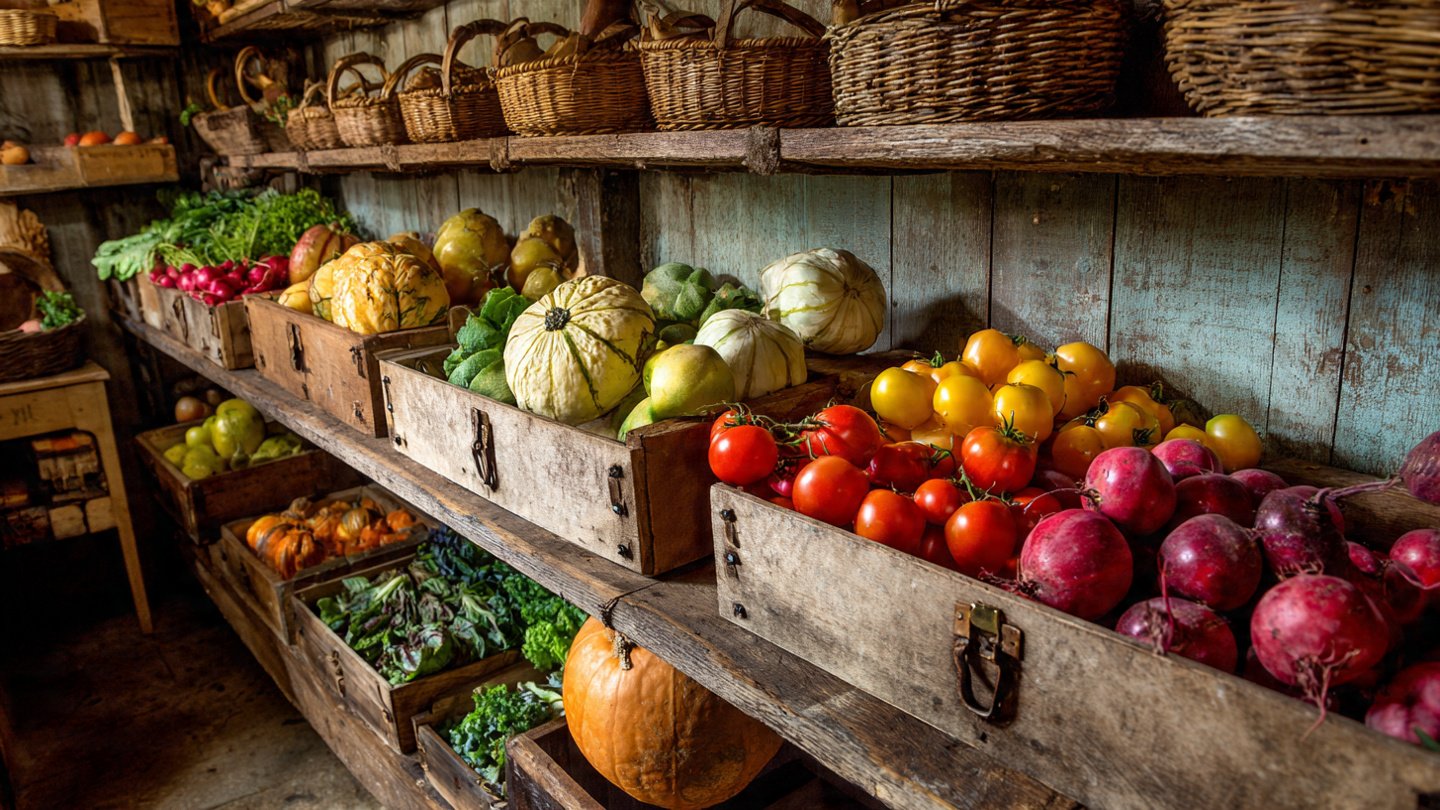
Bringing in a bountiful harvest is a gardener’s greatest reward. But all the effort put into planting, nurturing, and harvesting can go to waste if your fruits and vegetables spoil quickly. The key to enjoying your hard-earned produce for months lies in choosing the right storage methods. With proper techniques, you can savor fresh flavors well beyond the growing season, minimize waste, and even save money.
This guide will explore the most effective ways to keep your harvest fresh, whether you’re dealing with leafy greens, root vegetables, fruits, or herbs.
Why Proper Storage Matters
Fresh produce is highly perishable. Factors like moisture loss, exposure to air, and temperature fluctuations can cause vegetables to wilt, fruits to rot, and herbs to lose their flavor. Proper storage slows down the natural decay process, allowing your harvest to stay nutritious, flavorful, and usable for months.
Some benefits of proper storage include:
- Reduced waste: Extends the lifespan of your produce.
- Cost efficiency: Fewer trips to the grocery store.
- Convenience: Have ready-to-use ingredients on hand.
- Preservation of nutrients: Freshness equals higher vitamin and mineral content.
Understanding how different crops respond to temperature, humidity, and light is crucial to choosing the best storage method.
1. Cold Storage: Refrigeration and Root Cellars
Refrigeration
Most fruits and vegetables benefit from cool storage. Your home refrigerator is ideal for:
- Leafy greens like spinach, kale, and lettuce
- Soft fruits like berries, grapes, and plums
- Certain vegetables like carrots, cucumbers, and bell peppers
Tips for Refrigeration:
- Keep vegetables in ventilated plastic bags or reusable produce bags.
- Avoid washing produce before refrigeration unless necessary; excess moisture accelerates decay.
- Use the crisper drawer, which maintains higher humidity levels ideal for most vegetables.
- Store fruits and vegetables separately, as some fruits (like apples and bananas) emit ethylene gas that accelerates ripening.
Root Cellars
For long-term storage of hardy vegetables, a root cellar or cool basement is ideal. Root vegetables thrive in dark, cool, and humid conditions:
- Temperature: 32–40°F (0–4°C)
- Humidity: 85–95%
Vegetables suitable for root cellars include:
- Carrots, beets, and radishes
- Potatoes and sweet potatoes
- Parsnips and turnips
- Winter squash and pumpkins
Preparation tips:
- Remove excess soil without washing.
- Trim green tops to prevent moisture loss.
- Store vegetables in boxes, bins, or sand-filled containers to maintain moisture and prevent bruising.
Root cellars can keep produce fresh for months, providing a continuous supply during the winter.
2. Freezing: Long-Term Preservation
Freezing is one of the easiest and most effective ways to preserve your harvest for months. Most vegetables and fruits retain their nutritional value when frozen.
Steps for Freezing:
- Blanch vegetables (like beans, broccoli, or peas) in boiling water for 2–5 minutes, then plunge into ice water. This stops enzymatic activity and preserves color, texture, and flavor.
- Dry thoroughly to prevent ice crystals.
- Package in airtight containers or freezer bags to minimize freezer burn.
- Label with dates for easy rotation.
Fruits:
- Wash and dry thoroughly.
- Some fruits, like berries, benefit from pre-freezing on a tray before bagging to prevent clumping.
- Slice larger fruits like peaches or apples, and consider tossing with lemon juice to prevent browning.
Properly frozen fruits and vegetables can last 6–12 months, making them perfect for off-season cooking.
3. Canning: Preserving in Jars
Canning is a traditional yet highly effective preservation method. It uses heat to kill bacteria and seals the food in airtight jars, allowing it to last for months or even years.
Types of Canning:
- Water bath canning: Ideal for acidic foods like tomatoes, fruits, jams, jellies, and pickles.
- Pressure canning: Necessary for low-acid vegetables, meats, and soups to ensure safety.
Tips for Successful Canning:
- Use sterilized jars and lids to prevent contamination.
- Follow tested recipes to ensure proper acidity, sugar, and salt levels.
- Allow jars to cool and check for sealed lids before storage.
- Store in a cool, dark place to maintain quality.
Canning is particularly useful for tomatoes, peppers, apples, pears, and berries, giving you access to fresh-tasting produce year-round.
4. Drying and Dehydration
Drying removes moisture from produce, slowing microbial growth. This method is perfect for herbs, fruits, and some vegetables.
Methods of Drying:
- Air drying: Hang herbs upside down in a dry, airy space.
- Oven drying: Low heat (120–140°F or 50–60°C) for several hours.
- Dehydrator: Provides controlled heat and airflow, ideal for consistent results.
What Can Be Dried:
- Herbs: Basil, thyme, oregano, parsley
- Fruits: Apples, apricots, berries, mangoes
- Vegetables: Tomatoes, mushrooms, peppers
Store dried items in airtight containers away from sunlight. Properly dried fruits and vegetables can last 6–12 months.
5. Pickling and Fermentation
Pickling not only preserves food but also adds flavor and nutrition. Fermented foods are also beneficial for gut health.
Pickling Basics:
- Use a mixture of vinegar, salt, sugar, and spices.
- Submerge vegetables fully to prevent spoilage.
- Store in the fridge or process jars for long-term storage.
Fermentation:
- Involves lactic acid fermentation, which naturally preserves vegetables like cabbage (sauerkraut) and cucumbers (fermented pickles).
- Keep vegetables submerged in brine to prevent mold.
- Fermented vegetables develop a tangy flavor and can last for months when stored properly.
6. Proper Handling Before Storage
Even the best storage methods fail if produce is damaged or mishandled before storage. Follow these tips:
- Handle gently: Avoid bruising or cutting.
- Remove spoiled items: One rotten fruit can spoil an entire batch.
- Clean storage areas: Prevent mold or bacterial contamination.
- Monitor humidity and temperature: Use hygrometers or thermometer probes if needed.
7. Layered Storage: Combining Methods
To maximize freshness, combine different storage methods:
- Keep leafy greens in the fridge, while root vegetables stay in a cool basement.
- Freeze surplus fruit, and can tomatoes or cucumbers for long-term use.
- Dry herbs for winter cooking while fermenting vegetables for snacking or sides.
By planning ahead and understanding your harvest, you can create a storage strategy that ensures nothing goes to waste.
Conclusion
Keeping your harvest fresh for months doesn’t have to be difficult or expensive. With the right methods—cold storage, freezing, canning, drying, and fermentation—you can enjoy the fruits of your labor long after harvest season ends. Attention to detail in preparation, storage, and handling ensures that your fruits and vegetables remain nutritious, flavorful, and ready to use.
Whether you’re a casual gardener or a seasoned grower, mastering storage techniques is an essential skill. With patience and practice, your harvest will not only last but also provide delicious, fresh produce for months, helping you eat healthily, save money, and reduce food waste.