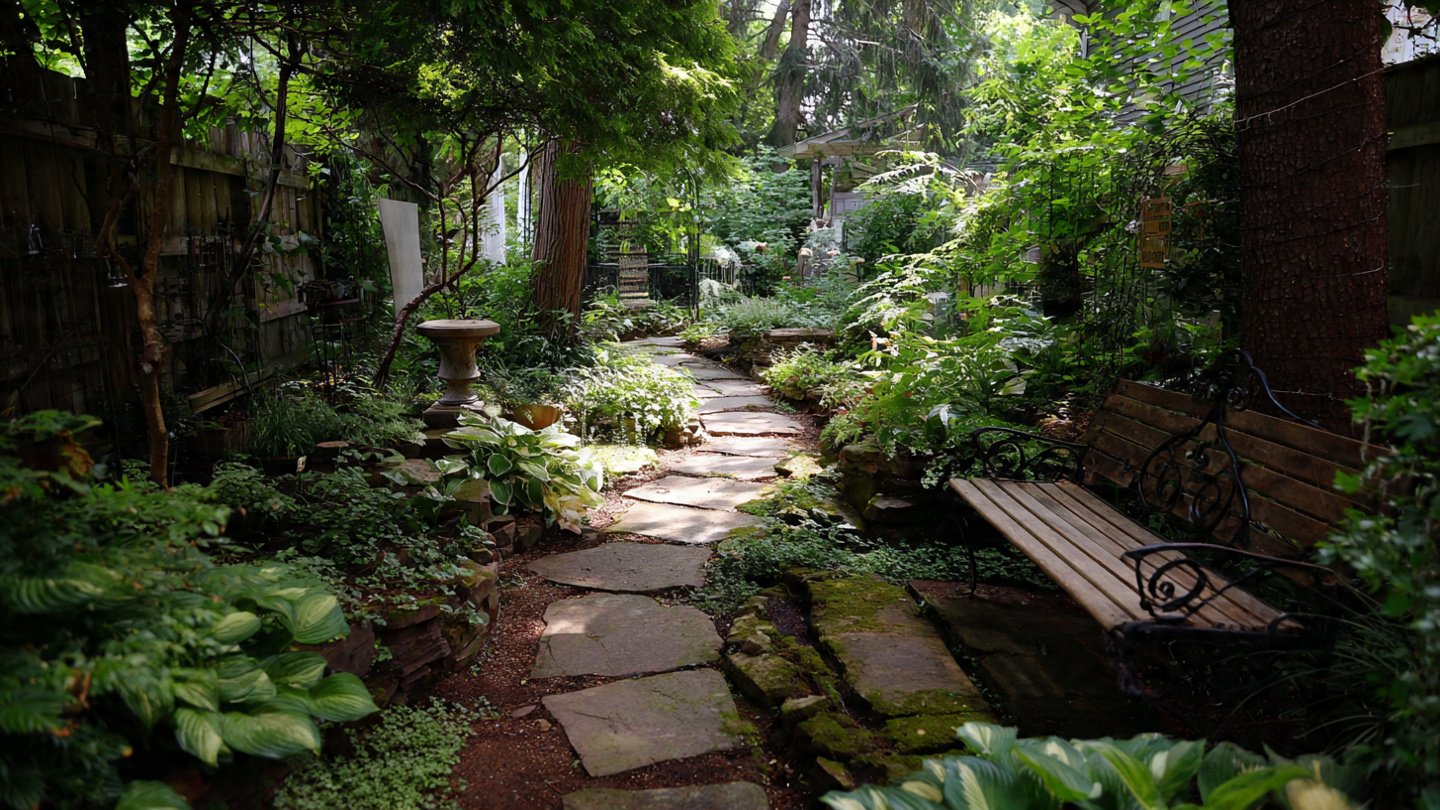
Many homeowners overlook their side yards, leaving them as narrow, underutilized spaces. Often, these areas are shaded, narrow, or awkwardly shaped, making them feel more like a passageway than a part of your home. However, with a bit of vision and creativity, a dull side yard can be transformed into a charming hidden woodland path—a secluded retreat that adds beauty, texture, and a sense of mystery to your landscape.
This guide will walk you step by step through turning your side yard into a serene woodland path that feels natural, inviting, and harmonious with your environment.
Step 1: Assess the Space
Before planting or building, take stock of your side yard:
- Length and width: Narrow side yards benefit from vertical elements, layered plantings, and winding paths to create the illusion of depth.
- Sunlight: Note which areas are shaded, partially sunny, or receive full sun. Woodland paths thrive in partial shade with filtered light.
- Soil type: Test the soil for drainage, acidity, and texture. Woodland plants prefer well-draining, humus-rich soil.
- Existing structures: Take note of fences, walls, or utilities that might influence plant placement or path layout.
Understanding your yard’s characteristics helps you plan a woodland path that feels natural rather than forced.
Step 2: Define the Pathway
The path itself is the backbone of your woodland garden. Consider these design tips:
- Curved layout: Gentle curves create intrigue, making visitors curious to see what’s around the bend. Avoid straight lines, which feel formal.
- Width: A 2–3 foot width is ideal for walking comfortably while maintaining a cozy, hidden feeling.
- Materials: Options include natural mulch, decomposed granite, stepping stones, bark chips, or crushed gravel. Use earthy colors to blend with the woodland theme.
- Borders: Soft borders of low-growing plants, moss, or small rocks enhance the feeling of a secret trail. Avoid rigid edging for a more natural appearance.
Your path should invite exploration, leading visitors through shaded nooks, around corners, and into spaces that feel secluded.
Step 3: Choose Woodland Plants
Woodland gardens thrive under shade or filtered light. Selecting the right plants creates a layered, textured environment reminiscent of a forest floor. Consider:
Groundcovers
- Ferns: Soft, arching fronds add texture and movement.
- Hostas: Shade-loving, lush foliage in various sizes and colors.
- Moss: Fills gaps between stones and creates a forest floor effect.
Mid-Layer Plants
- Astilbe: Feathery plumes in white, pink, or red.
- Heuchera (Coral Bells): Colorful foliage ranging from deep purple to lime green.
- Solomon’s Seal: Arching stems and delicate bell-shaped flowers.
Taller Layer / Woodland Trees
- Dogwood or Redbud saplings: Provide dappled shade and seasonal color.
- Japanese Maple: Small size, elegant leaves, and a focal point for the path.
- Shrubs like Azaleas or Rhododendrons: Add structure and seasonal blooms.
Aim for a mix of evergreen and deciduous plants for year-round interest. Layer plants with taller specimens in the back, mid-sized shrubs in the middle, and groundcovers along the path.
Step 4: Add Natural Elements
Woodland paths feel magical when natural materials are integrated:
- Rocks and boulders: Scatter irregularly along the path or use as small seating areas.
- Logs and stumps: Create rustic borders or informal planters.
- Water features: A small trickling fountain or birdbath adds sound and attracts wildlife.
- Mulch and leaf litter: Natural mulch reinforces the forest aesthetic while improving soil health.
These elements enhance the immersive woodland experience, making your path feel like part of a hidden forest rather than a landscaped garden.
Step 5: Consider Lighting
Even hidden paths benefit from soft, ambient lighting:
- Solar stake lights: Subtle, eco-friendly illumination along the edges of the path.
- String lights: Wrapped around trees or shrubs for whimsical charm.
- Low lanterns: Rustic lanterns placed at intervals create a cozy atmosphere.
Avoid bright overhead lights, which can disrupt the woodland feeling. Soft, warm lighting keeps the path safe to walk at night while maintaining its natural ambiance.
Step 6: Create Privacy and Seclusion
A hidden woodland path should feel enclosed and intimate:
- Vertical plantings: Tall shrubs, bamboo, or small trees create a natural barrier from neighboring properties.
- Lattice or trellis: Train climbing vines like clematis or ivy to soften fences or walls.
- Natural screens: Use staggered boulders, logs, or hedges to block direct lines of sight.
These features make your side yard feel like a secret escape, away from the busyness of your main garden or street.
Step 7: Maintenance Tips
Woodland paths are designed to look natural, but some maintenance ensures they remain inviting:
- Pruning: Trim shrubs and ferns to prevent overgrowth onto the path.
- Mulch replenishment: Refresh mulch or leaf litter to maintain a soft forest floor.
- Weeding: Remove invasive plants that can crowd delicate woodland species.
- Seasonal care: Protect young trees and shrubs during winter with mulch or burlap.
Regular, light maintenance keeps your woodland path lush and immersive without looking overly manicured.
Step 8: Add Personal Touches
A woodland path becomes truly magical with small, personal touches:
- Benches or rustic seating: Encourage lingering and contemplation.
- Stone markers or stepping stones with inscriptions: Add charm and personality.
- Birdhouses, feeders, or small sculptures: Enhance wildlife attraction and aesthetic appeal.
These details transform a simple path into a cozy, inviting retreat you’ll want to spend time in every day.
Benefits of a Hidden Woodland Path
Transforming your side yard into a woodland path offers numerous benefits:
- Increased property appeal: Enhances aesthetics and adds a unique feature.
- Privacy: Tall plants and winding paths block unwanted views.
- Wildlife habitat: Attracts birds, butterflies, and beneficial insects.
- Stress relief: Walking through a natural, shaded environment promotes calm and relaxation.
- Year-round beauty: Layered plantings provide seasonal interest, from spring blooms to autumn foliage.
By reimagining underutilized space, you create a sanctuary that combines beauty, function, and sustainability.
Final Thoughts
A dull side yard does not have to remain lifeless. By planning carefully, layering plants, using natural materials, and creating soft, winding paths, you can transform an overlooked space into a hidden woodland retreat. From fragrant ferns and flowering shrubs to mossy stepping stones and subtle lighting, your side yard can become a magical, immersive path that invites exploration, reflection, and enjoyment.
With thoughtful design and attention to detail, what was once a neglected area can now serve as a secluded sanctuary, a charming extension of your home, and a beautiful woodland escape just steps from your door.
If you want, I can also make a step-by-step woodland path design plan with plant lists, layout diagrams, and seasonal planting tips for your side yard. This will make it easier to implement the transformation practically.
Do you want me to create that next?