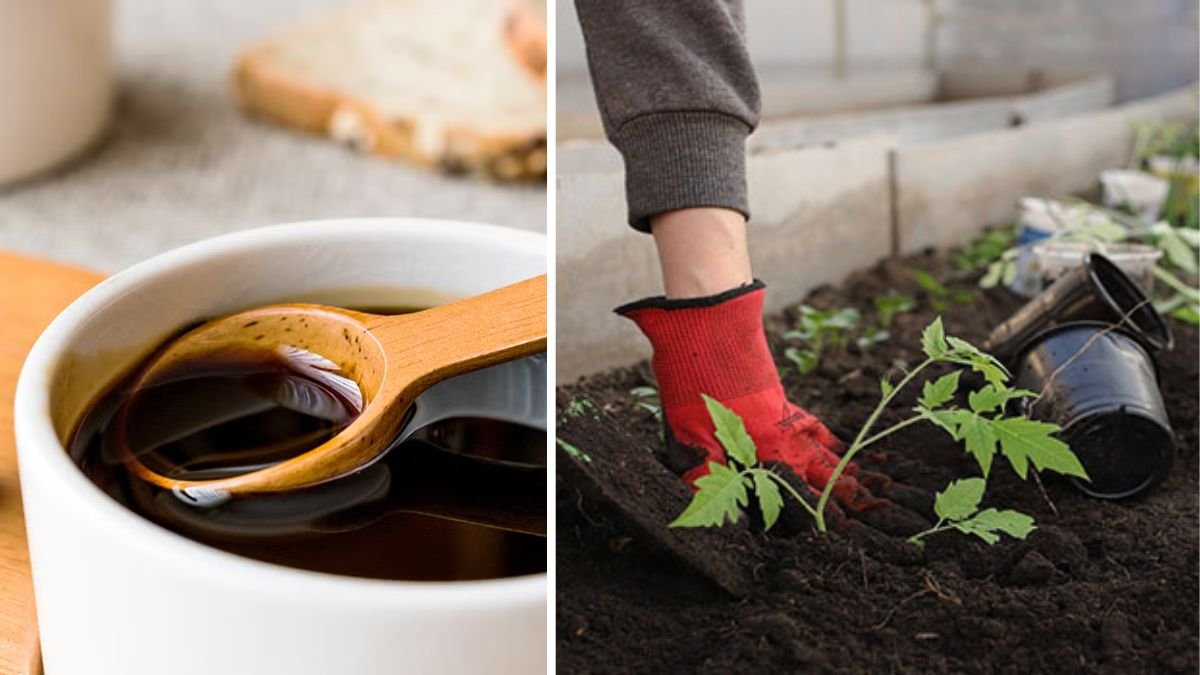
Gardeners and farmers around the world are constantly searching for ways to naturally enrich their soil, improve plant growth, and increase crop yields. While fertilizers and compost are widely used, one often overlooked ingredient—molasses—has emerged as a surprising and powerful ally for soil health. More than just a sweetener for your kitchen, molasses is increasingly recognized as a “secret weapon” for boosting beneficial soil bacteria, promoting healthier plants, and enhancing overall garden productivity.
Understanding Soil Health and the Role of Bacteria
Healthy soil is alive. Beneath the surface, billions of microorganisms—including bacteria, fungi, protozoa, and nematodes—work together to create a thriving ecosystem. Among these, soil bacteria play critical roles:
- Decomposing Organic Matter: They break down leaves, roots, and other organic materials into nutrients that plants can absorb.
- Nutrient Cycling: Bacteria help convert nitrogen, phosphorus, and other essential elements into forms usable by plants.
- Disease Suppression: Certain beneficial bacteria prevent harmful pathogens from taking hold, protecting plants naturally.
- Soil Structure Improvement: Bacterial activity produces substances that bind soil particles, enhancing aeration and water retention.
The more robust and active your soil bacterial community, the healthier your garden will be. But these microbes need food—primarily carbon-rich compounds—to thrive. That’s where molasses comes into play.
What Is Molasses?
Molasses is a thick, dark syrup produced during the sugar extraction process from sugar cane or sugar beets. Unlike refined sugar, molasses contains a rich blend of nutrients, including:
- Simple sugars (glucose and sucrose)
- Iron, calcium, magnesium, and potassium
- Trace minerals such as manganese, copper, and zinc
These components make molasses more than just a sweetener—they make it a potent microbial booster for the soil.
How Molasses Boosts Soil Bacteria
1. Molasses as a Food Source
The simple sugars in molasses serve as an immediate energy source for soil bacteria. When you add molasses to your garden soil, it fuels microbial growth, allowing bacteria to multiply quickly. This surge in beneficial bacteria improves decomposition, nutrient cycling, and overall soil fertility.
Unlike synthetic fertilizers, which directly feed plants, molasses feeds the microbes first. By nourishing the soil’s living organisms, you create a self-sustaining system where plants benefit indirectly through enhanced nutrient availability.
2. Enhancing Microbial Diversity
A diverse microbial population is key to resilient soil. Different bacteria thrive on different sugars and minerals, so molasses encourages the growth of multiple beneficial species simultaneously. Studies have shown that molasses applications increase populations of nitrogen-fixing bacteria and phosphate-solubilizing bacteria—two groups critical for plant health.
By enriching microbial diversity, molasses helps suppress soil-borne pathogens naturally. Healthy, diverse bacterial communities compete with harmful organisms, reducing the likelihood of diseases such as root rot or fungal infections.
3. Improving Soil Structure
Active soil bacteria produce a sticky substance called exopolysaccharides, which binds soil particles together to form aggregates. These aggregates improve soil structure, allowing better air and water movement, root penetration, and nutrient retention. Molasses-fed bacteria are particularly effective at producing these compounds, leading to looser, more friable soil.
4. Stimulating Compost and Organic Matter Decomposition
Molasses accelerates the breakdown of organic matter, whether in compost piles or directly in garden beds. By providing sugars as an energy source, it allows microbes to digest plant residues, manure, and other organic amendments faster. This means nutrients are released more quickly for plant uptake, promoting stronger growth and higher yields.
5. Enhancing Nutrient Availability
Certain beneficial bacteria, energized by molasses, can convert unavailable nutrients into forms plants can absorb. For example:
- Nitrogen-fixing bacteria convert atmospheric nitrogen into ammonia, which plants can use.
- Phosphate-solubilizing bacteria transform insoluble phosphorus in the soil into soluble forms.
- Potassium-mobilizing bacteria release potassium bound in minerals.
By stimulating these processes, molasses indirectly boosts soil fertility without the environmental risks of synthetic chemicals.
How to Use Molasses in Your Garden
To harness the power of molasses for soil bacteria, it’s important to apply it correctly. Here are practical guidelines:
1. Liquid Molasses Soil Amendment
- Mix 1–2 tablespoons of unsulfured molasses per gallon of water.
- Apply directly to garden beds or pots at the base of plants.
- For larger areas, adjust proportionally.
- Apply every 2–4 weeks during the growing season to maintain bacterial activity.
2. Compost Booster
- Add molasses when turning your compost pile: about 1/4 cup per 10-gallon pile.
- Water lightly after adding to help sugars penetrate organic matter.
- The composting process accelerates, producing nutrient-rich humus faster.
3. Foliar Spray for Microbe Stimulation
While molasses primarily works in the soil, some gardeners use a diluted foliar spray to encourage beneficial microbes on leaf surfaces, particularly in organic farming setups.
4. Cautions and Tips
- Always use unsulfured molasses; sulfured varieties contain sulfur dioxide, which can harm microbes.
- Avoid over-application. Too much sugar can temporarily create anaerobic conditions, suppressing some microbial activity.
- Combine molasses with compost tea or other microbial inoculants for maximum effect.
Success Stories and Practical Results
Gardeners who regularly use molasses report several benefits:
- Richer, darker soil with better tilth.
- Faster compost decomposition and higher-quality humus.
- Increased plant vigor, larger blooms, and higher yields.
- Reduced incidence of soil-borne diseases.
Even in urban container gardens, molasses can boost microbial activity, helping potted plants access nutrients more efficiently. It’s particularly valuable for edible gardens, where chemical-free nutrient cycling is essential.
Why Molasses Works Better Than Some Alternatives
Unlike synthetic fertilizers, molasses doesn’t just supply nutrients—it feeds the entire soil ecosystem. By boosting beneficial bacteria, it enhances natural nutrient availability and soil structure, which fertilizers alone cannot do. Additionally, molasses supports sustainability: it’s an organic byproduct, biodegradable, and environmentally friendly.
In short, molasses doesn’t just “fertilize” your plants—it strengthens the living system beneath them, creating a resilient and self-sustaining garden environment.
Final Thoughts
Molasses might seem humble, but its impact on soil health is profound. By fueling beneficial bacteria, enhancing microbial diversity, improving soil structure, and accelerating nutrient cycling, it acts as a secret weapon for gardeners seeking thriving, healthy plants.
Whether you’re managing a small backyard garden, large-scale crops, or indoor container plants, molasses is an easy, natural, and effective way to energize your soil ecosystem. By choosing unsulfured molasses and applying it thoughtfully, you can harness this sweet syrup’s hidden power to boost your soil bacteria, improve plant growth, and create a more sustainable, vibrant garden.
So next time you reach for molasses in the kitchen, remember—it might just be your garden’s best-kept secret.