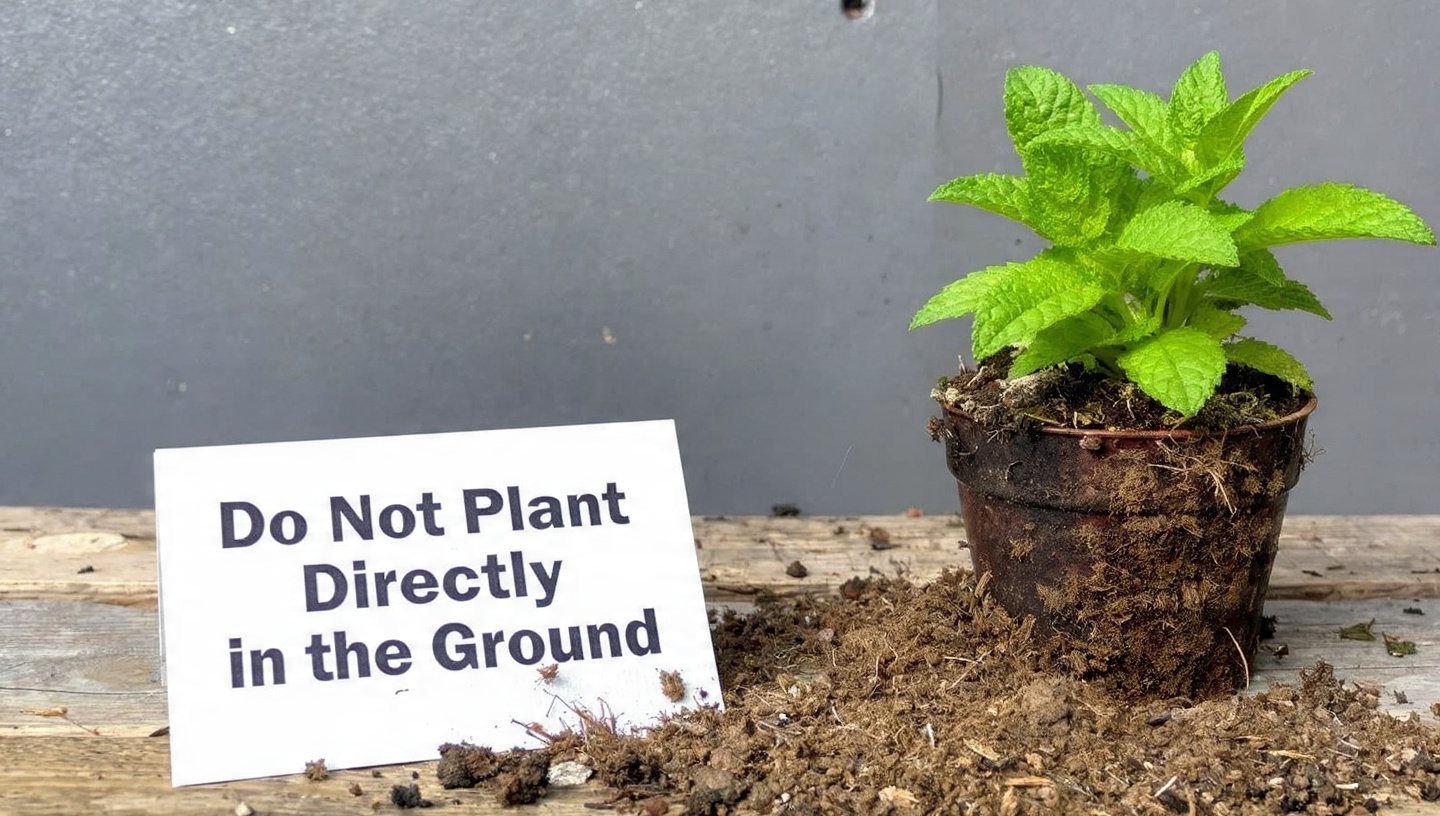
Mint is one of the most beloved herbs in home gardens. Its aromatic leaves are perfect for teas, culinary dishes, and even natural remedies. It grows quickly, smells refreshing, and adds a vibrant touch to any garden. However, many gardeners make a common mistake: planting mint directly in the ground. While it may seem convenient, doing so can lead to a host of problems that could quickly turn your garden from a fragrant paradise into a mint-dominated jungle. In this article, we’ll explore why planting mint directly in the ground is problematic, the risks it poses, and smarter alternatives for cultivating this versatile herb successfully.
Understanding Mint’s Growth Habits
Before we discuss why mint is problematic in open soil, it’s important to understand its growth habits:
- Aggressive Spreader: Mint is a perennial herb that spreads rapidly through underground rhizomes. These underground stems send out roots and shoots that can pop up several feet away from the original plant.
- Fast Growth: Mint grows quickly and can overtake other plants, often overshadowing them and competing for sunlight, nutrients, and water.
- Hardiness: It can survive in various soil types and weather conditions, making it very resilient and hard to control once established.
These traits make mint both a blessing and a curse in the garden. While it’s hardy and prolific, its invasive nature can easily turn into a problem if not properly managed.
The Risks of Planting Mint Directly in the Ground
Planting mint directly in garden beds may seem like the easiest option, but it carries several significant risks:
1. Uncontrolled Spread
One of the biggest mistakes gardeners make is underestimating how fast mint can spread. Once in the ground, mint sends out rhizomes that can grow well beyond the intended area. This can result in mint taking over entire flower beds, vegetable gardens, or even yards if left unchecked.
- Impact on Other Plants: Mint can crowd out neighboring plants, depriving them of sunlight and nutrients. This is especially problematic for slow-growing vegetables and delicate flowers.
- Garden Maintenance Nightmare: Once mint invades the garden, it’s extremely difficult to remove completely. Even small root fragments left in the soil can sprout new plants.
2. Soil Competition
Mint is a vigorous plant that competes heavily for soil nutrients and moisture. When planted directly in the ground:
- Other Plants Suffer: Vegetables, flowers, and herbs nearby may fail to thrive because mint dominates available resources.
- Soil Depletion: Mint’s fast-growing roots can deplete essential nutrients in the soil, leaving it less fertile for future planting cycles.
3. Difficulty in Controlling Size
Even if you try to prune or manage mint, controlling its underground growth is nearly impossible in open soil. Rhizomes spread horizontally beneath the surface, and it can quickly escape containment. Over time, mint patches become dense, uncontrollable, and invasive, turning a small planting into a garden-wide problem.
4. Risk of Pest and Disease Spread
While mint is relatively hardy, planting it directly in the ground can sometimes lead to problems:
- Pest Attraction: Mint attracts aphids, spider mites, and other pests, which can then spread to other plants in the garden.
- Fungal Diseases: Damp soil conditions combined with dense mint growth can encourage fungal infections, such as powdery mildew. These diseases can spread to neighboring plants, impacting the health of your garden.
Safer Alternatives to Planting Mint in the Ground
Thankfully, there are several smart alternatives for growing mint without letting it take over your garden:
1. Use Containers or Pots
Growing mint in containers is the most effective way to control its growth:
- Containment: Containers prevent mint from spreading underground, keeping it confined to a specific area.
- Portability: Pots can be moved to optimize sunlight, protect from harsh weather, or prevent pests.
- Size Management: Containers naturally limit root growth, which helps manage plant size.
Tips for Container Gardening:
- Use pots that are at least 12 inches deep to accommodate root growth.
- Ensure good drainage to prevent root rot.
- Consider using a bottomless pot buried in the soil if you want mint to grow near other plants but still be contained.
2. Plant Mint in Raised Beds with Barriers
If you prefer mint in your garden beds, use root barriers:
- Plastic or Metal Barriers: Install 12–18 inch deep barriers around the planting area to prevent rhizomes from spreading.
- Dedicated Raised Beds: Plant mint in a raised bed with solid sides to contain growth.
This approach allows mint to flourish while protecting other plants and maintaining a tidy garden layout.
3. Grow Mint Indoors
Mint grows exceptionally well indoors, making it perfect for kitchen gardens:
- Plant mint in small pots or hydroponic systems on windowsills.
- Provides easy access for cooking and tea.
- Indoors, pests are minimal, and growth can be more easily controlled.
4. Regular Maintenance and Pruning
Even when grown in containers or raised beds, mint benefits from regular maintenance:
- Trim leaves frequently to prevent the plant from becoming leggy.
- Harvest often to encourage new growth and prevent overcrowding.
- Inspect roots annually and divide the plant if it becomes too dense.
The Benefits of Growing Mint Responsibly
When grown in a controlled environment, mint provides numerous benefits:
- Culinary Uses: Fresh leaves for teas, salads, sauces, and cocktails.
- Medicinal Benefits: Mint is known for aiding digestion, reducing headaches, and refreshing breath.
- Natural Pest Repellent: The strong aroma of mint can help deter ants, mosquitoes, and aphids.
- Aesthetic Appeal: Its lush green leaves and pleasant aroma make it a beautiful addition to gardens and patios.
By planting mint responsibly, gardeners can enjoy all these benefits without the downsides of uncontrolled spread.
Common Mistakes to Avoid When Growing Mint
Even when using containers or barriers, gardeners should avoid these pitfalls:
- Using Too Small Containers: Small pots can stunt growth and reduce leaf production.
- Overwatering: Mint prefers moist soil but does not tolerate soggy conditions. Proper drainage is essential.
- Neglecting Sunlight: Mint thrives in partial to full sunlight, so avoid dark corners.
- Ignoring Pruning: Overgrown mint can become woody and less flavorful. Regular trimming keeps leaves tender and aromatic.
Conclusion
Planting mint directly in the ground is a common gardening mistake due to its aggressive growth habits. While it may seem harmless at first, mint’s underground rhizomes, rapid spread, and resource competition can quickly take over a garden, overshadowing other plants, depleting soil nutrients, and creating maintenance challenges.
The solution lies in containment and careful management. Growing mint in containers, raised beds with barriers, or even indoors ensures controlled growth, prevents invasive spread, and allows you to enjoy the many culinary, medicinal, and aesthetic benefits mint offers. Regular pruning, proper sunlight, and adequate watering will keep your mint lush, healthy, and productive without harming your other garden plants.
By understanding the risks of planting mint directly in the ground and implementing smart gardening strategies, you can cultivate this aromatic herb responsibly and enjoy its fresh, vibrant leaves year-round—without the stress of battling a mint takeover.