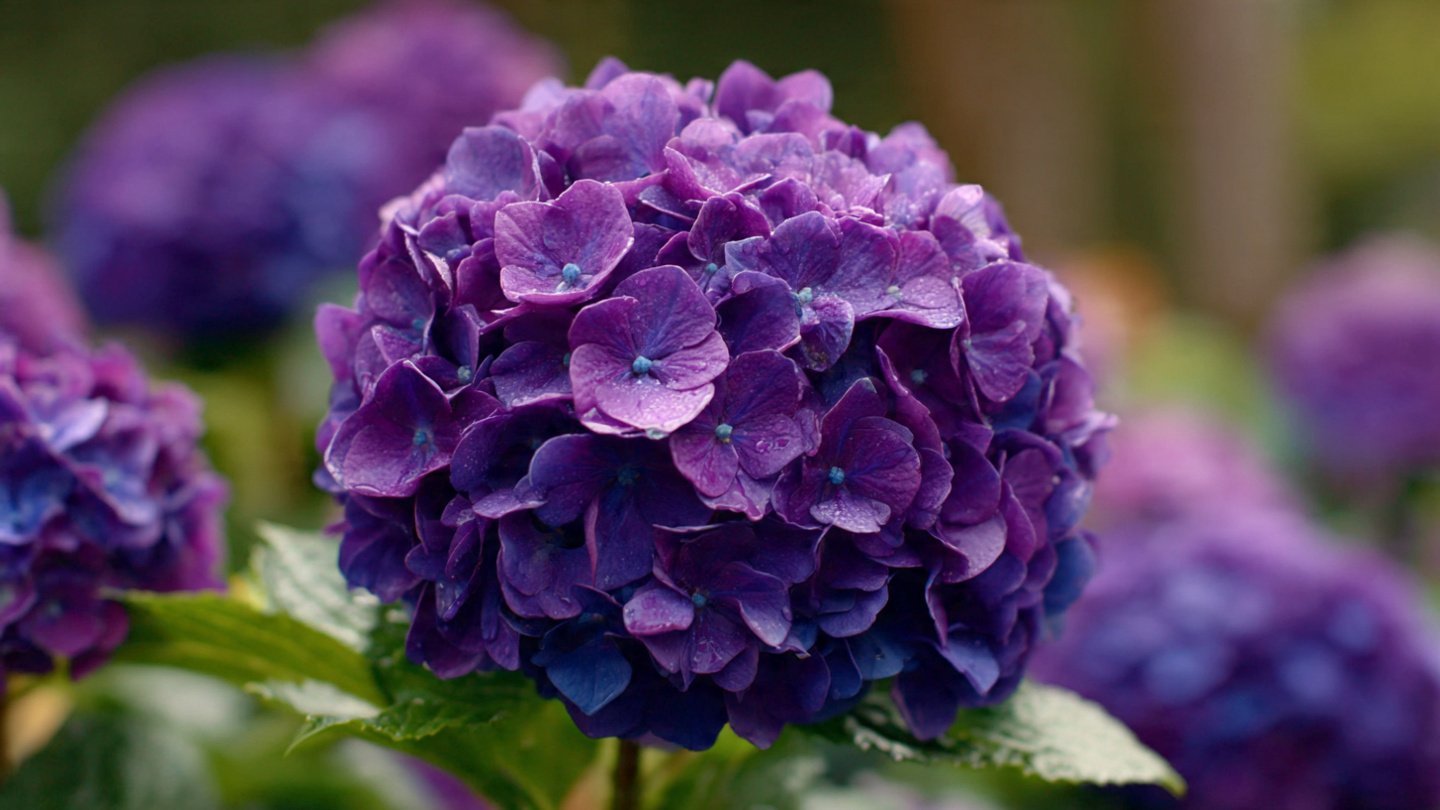
Hydrangeas are among the most beloved garden shrubs worldwide, cherished for their lush foliage and vibrant, showy blooms. From deep blues to soft pinks, they bring color, texture, and charm to any landscape. However, many gardeners notice a frustrating trend: hydrangeas seem to shrink, produce fewer flowers, or lose their vigor year after year. Understanding why this happens is essential to restore these plants to their full glory.
If your hydrangeas appear smaller, less vigorous, or fail to bloom as they used to, several factors could be at play. This guide will explore the main reasons hydrangeas shrink, including environmental stress, soil conditions, pruning mistakes, and pests, along with actionable solutions to help your shrubs thrive.
Understanding Hydrangea Growth Patterns
Hydrangeas are generally hardy shrubs, but their growth is influenced by a combination of genetics, environment, and care practices. Depending on the variety, hydrangeas can grow 3–6 feet tall or even larger. Shrinking or stunted growth often signals that something in the plant’s environment or care routine is limiting its development.
Before addressing the problem, it’s helpful to know that hydrangeas are sensitive to:
- Soil composition and pH
- Water availability
- Sunlight exposure
- Pruning practices
- Nutrient balance
Even minor disruptions in these factors can reduce leaf size, branch length, and flower production.
Common Reasons Hydrangeas Shrink Year After Year
1. Soil Nutrient Deficiency
Hydrangeas are heavy feeders and rely on nutrient-rich soil for vigorous growth. If your hydrangea’s leaves are smaller, yellowing, or sparse, it may be due to lack of essential nutrients, particularly nitrogen, phosphorus, and potassium.
- Nitrogen deficiency can result in reduced leaf size and stunted shoots.
- Phosphorus deficiency can affect root development, leading to weaker plants.
- Potassium deficiency may reduce flower production and overall shrub vigor.
Solution:
- Conduct a soil test to identify deficiencies.
- Use a balanced, slow-release fertilizer formulated for flowering shrubs.
- Incorporate organic matter such as compost or well-rotted manure to improve soil structure and nutrient content.
2. Improper Sunlight
Hydrangeas generally prefer morning sun with afternoon shade, though this varies by species. Too much direct sun can scorch leaves, while too little sunlight can reduce growth and bloom size. Shrinking hydrangeas often indicate inadequate light conditions.
Solution:
- Observe where your hydrangeas are planted.
- For sun-loving varieties (like paniculata), ensure they receive at least 4–6 hours of sunlight.
- For shade-tolerant varieties (like macrophylla), avoid planting in full, harsh afternoon sun.
- If relocation is impossible, provide partial shade with garden fabric or neighboring plants.
3. Pruning Errors
Pruning hydrangeas improperly is a common cause of shrinking shrubs and poor flowering. Different hydrangea types bloom on either old wood (last year’s growth) or new wood (current season’s growth). Cutting the wrong branches can drastically reduce growth and flower size.
- Old-wood bloomers (e.g., bigleaf and oakleaf hydrangeas) bloom on previous year’s stems. Cutting too aggressively in spring removes flower buds.
- New-wood bloomers (e.g., panicle and smooth hydrangeas) bloom on current year’s growth. Failing to prune can result in leggy or weak stems.
Solution:
- Identify your hydrangea type before pruning.
- For old-wood bloomers, prune after flowering to shape the plant and remove dead wood.
- For new-wood bloomers, prune in late winter or early spring to encourage strong stems and abundant blooms.
- Avoid cutting more than one-third of the plant at once.
4. Root Stress and Compaction
Hydrangeas have shallow, fibrous roots that are sensitive to compaction and environmental stress. Over time, soil compaction from foot traffic, poor drainage, or heavy mulching can restrict root expansion, limiting nutrient and water uptake. This often causes smaller leaves, stunted growth, and reduced blooms.
Solution:
- Loosen soil around the base carefully without damaging roots.
- Apply organic mulch (like bark or compost) 2–3 inches deep, keeping it slightly away from the crown.
- Avoid heavy foot traffic near the root zone.
- Ensure proper drainage; hydrangeas dislike waterlogged soil.
5. Watering Issues
Both overwatering and underwatering can stunt hydrangea growth:
- Overwatering leads to root rot, yellowing leaves, and weak stems.
- Underwatering causes leaf drop, smaller leaves, and limited flowering.
Solution:
- Maintain consistent soil moisture. Hydrangeas prefer slightly moist soil but should never sit in water.
- Water deeply once or twice a week, depending on climate and soil type.
- Use a layer of mulch to retain moisture and regulate temperature.
6. Pests and Diseases
Shrinking hydrangeas can also result from pests or diseases, which stress the plant and limit growth:
- Aphids, spider mites, and scale insects feed on sap, weakening leaves and stems.
- Fungal diseases, such as powdery mildew or leaf spot, can reduce photosynthesis, limiting energy for growth.
- Root diseases caused by waterlogged soil can stunt overall development.
Solution:
- Inspect plants regularly for pests and treat with neem oil or insecticidal soap as needed.
- Remove infected leaves and improve air circulation around the plant.
- Ensure proper watering practices to prevent root diseases.
7. Aging Plants
Like any perennial, hydrangeas have a natural growth cycle, and older plants may naturally shrink or produce smaller blooms over time. If your hydrangea is over 10–15 years old, it may benefit from rejuvenation pruning or even replacement with younger plants.
Solution:
- Perform gradual rejuvenation by cutting older stems to the base in stages over 2–3 years.
- Propagate new plants from cuttings to maintain your favorite varieties while renewing your garden.
Tips to Restore and Maintain Hydrangea Growth
- Fertilize Correctly: Use fertilizers with the right N-P-K balance. For bigger blooms, a phosphorus-rich fertilizer can help.
- Adjust Soil pH: Hydrangeas respond to pH; acidic soil produces blue flowers, alkaline soil produces pink. Ensure pH is within the ideal range for your variety.
- Regular Mulching: Mulch protects roots, conserves moisture, and reduces temperature fluctuations.
- Monitor Sunlight: Adjust light exposure as needed, especially in hot climates.
- Rejuvenate Old Plants: Periodically remove old wood to encourage fresh growth.
- Control Pests Promptly: Early detection prevents stress-related shrinking.
When to Seek Expert Help
If you’ve tried adjusting sunlight, water, nutrients, and pruning, but your hydrangeas continue to shrink, it may be time to consult a professional gardener or local extension service. Persistent issues could indicate soil pathogens, nutrient lockout, or environmental stress that require expert diagnosis.
Final Thoughts
Hydrangeas shrinking year after year is often a sign that something in their environment or care routine is limiting growth. Common causes include:
- Nutrient deficiencies
- Improper sunlight
- Pruning errors
- Root stress
- Watering mistakes
- Pests or diseases
- Natural aging
By understanding the needs of your specific hydrangea variety and providing consistent care—including correct pruning, balanced fertilization, proper watering, and attention to soil conditions—you can restore your shrubs to lush, vigorous growth. With patience and observation, your hydrangeas can thrive, producing abundant foliage and stunning blooms year after year, bringing beauty and charm to your garden.