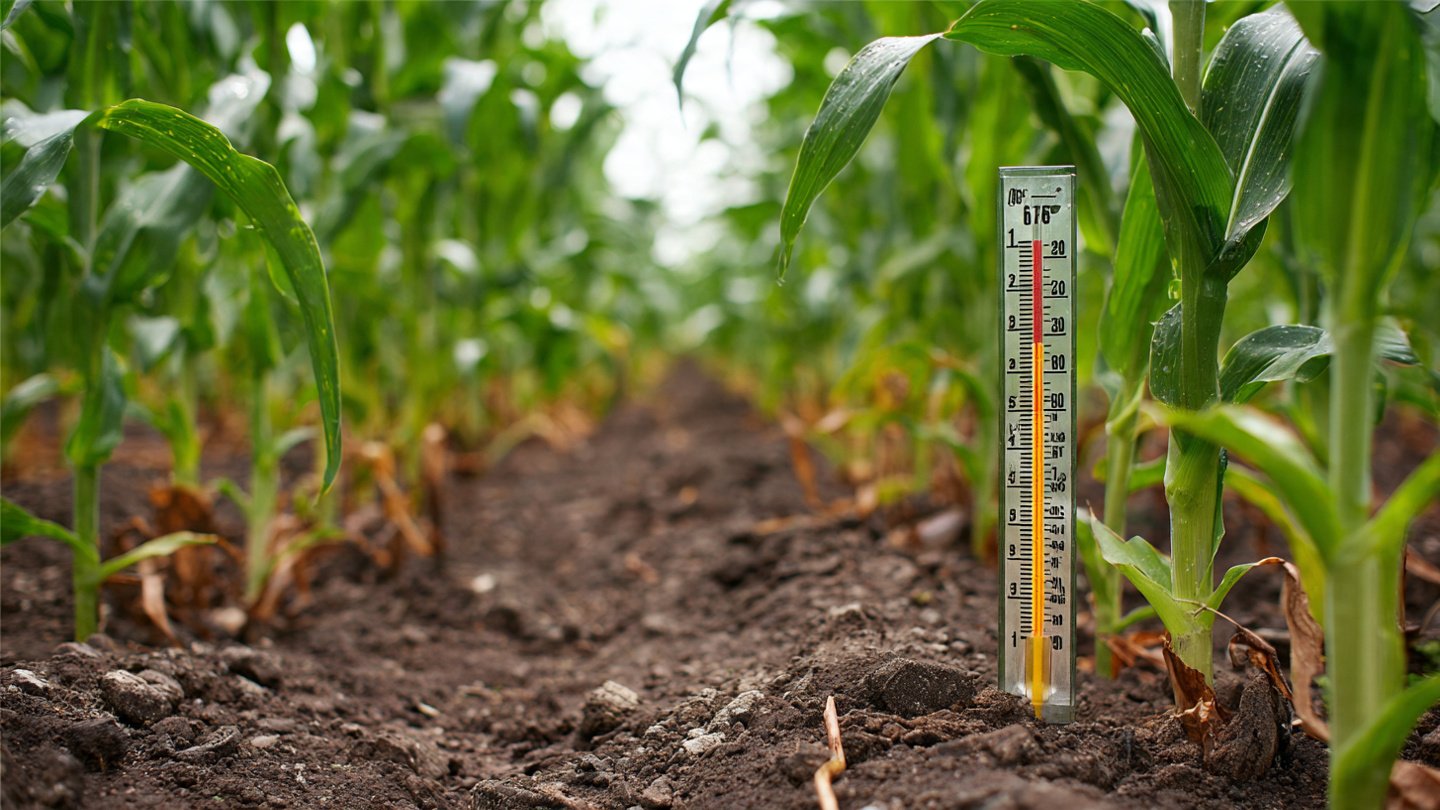
Corn is a staple crop and a garden favorite, but it’s one of the plants that truly demands attention to soil temperature. Planting too early or in cold soil can stunt growth, invite disease, and reduce yields. For gardeners and farmers alike, understanding when soil is ready for corn is crucial—and that’s where a soil thermometer becomes an essential tool.
In this guide, we’ll explore why soil temperature matters, how to use a soil thermometer effectively, and the best planting practices to ensure your corn thrives from seed to harvest.
Why Soil Temperature Matters for Corn
Corn (Zea mays) is a warm-season crop. Unlike some hardy vegetables, corn seeds require soil that is consistently warm for proper germination.
Key reasons soil temperature is crucial:
- Seed Germination: Corn seeds germinate optimally at soil temperatures between 50°F (10°C) and 86°F (30°C). Planting in colder soil slows germination or prevents it entirely.
- Root Development: Cold soil inhibits root growth, weakening young plants and making them more susceptible to stress and pests.
- Disease Prevention: Wet, cold soil promotes fungal and bacterial diseases like damping-off, which can decimate seedlings.
- Uniform Growth: Warm soil ensures consistent germination and even growth, making corn easier to manage and harvest.
Even a few degrees too cold can lead to uneven sprouting, poor stand establishment, and ultimately lower yields. That’s why relying on a calendar alone is risky—your soil may still be too cold even if it’s the “right time” according to the season.
What Is a Soil Thermometer?
A soil thermometer is a simple tool designed to measure the temperature at the root level. Unlike air thermometers, which measure the ambient temperature above ground, soil thermometers give you a precise reading of the environment your seeds experience.
Types of soil thermometers:
- Analog soil thermometers: Simple, durable, and usually with a probe that you insert into the soil.
- Digital soil thermometers: Provide accurate readings quickly and often include a backlit display or memory functions.
- Wireless or smart sensors: Can monitor soil temperature continuously and send alerts to your phone or computer.
For most home gardeners, a basic analog or digital soil thermometer is sufficient to make planting decisions.
How to Use a Soil Thermometer for Corn
Using a soil thermometer correctly ensures that your corn seeds are planted at the ideal temperature.
Step-by-step instructions:
- Choose the right location: Measure soil temperature in the area where you plan to plant corn, avoiding shaded spots that might be cooler than the rest of the field or garden.
- Insert the probe: Push the thermometer probe into the soil to the depth where corn seeds will be planted (usually 1–2 inches for small seeds, up to 3 inches for larger seeds).
- Wait for a stable reading: Analog thermometers may take a few minutes, while digital thermometers provide instant readings.
- Record the temperature: Check that it’s consistently above 50°F (10°C). Ideal germination occurs at 60–86°F (16–30°C).
- Monitor over several days: Soil can warm gradually; check daily to ensure that temperatures remain suitable before planting.
Ideal Planting Temperatures for Corn
Corn germination and growth vary depending on the soil temperature:
| Soil Temperature | Germination Rate | Notes |
|---|---|---|
| 50°F (10°C) | Slow | Seeds may rot if soil is wet |
| 55–60°F (13–16°C) | Moderate | Germination takes longer; staggered emergence |
| 65–70°F (18–21°C) | Fast | Ideal for consistent growth and strong seedlings |
| 75–86°F (24–30°C) | Very fast | Excellent germination; rapid early growth |
Planting in soil colder than 50°F is generally not recommended. Even warm-season corn varieties benefit from waiting until soil temperatures rise consistently into the 60s.
Additional Benefits of Using a Soil Thermometer
While soil temperature is critical for corn, a thermometer provides additional gardening benefits:
- Timing for Other Crops: Many vegetables and flowers respond to soil temperature, including beans, cucumbers, squash, and tomatoes.
- Fertilizer Efficiency: Nutrients are absorbed more efficiently at the right soil temperature.
- Pest and Disease Management: Knowing soil temperature helps you predict potential pest emergence or disease risk.
- Better Watering Decisions: Soil moisture evaporates differently depending on temperature; monitoring helps you water efficiently.
Essentially, a soil thermometer allows you to make informed decisions rather than guessing based on air temperature or calendar dates.
Preparing Soil for Corn Planting
Once your soil reaches the right temperature, preparation is essential for maximizing growth and yield.
1. Test and Amend Soil
- Check pH: Corn prefers slightly acidic to neutral soil (pH 6.0–7.0).
- Add organic matter: Compost or well-rotted manure improves fertility and structure.
- Ensure good drainage: Corn roots need aerated, well-draining soil.
2. Plan Row Spacing
- Space rows 30–36 inches apart for tall varieties.
- Space seeds 8–12 inches apart within rows, depending on variety.
3. Warm Soil Further (Optional)
- Use black plastic mulch or row covers to retain heat and encourage faster germination.
- Raised beds warm faster in spring, providing an ideal environment for early planting.
Tips for Faster Corn Germination
Even with a soil thermometer, other practices can enhance germination speed:
- Pre-soak Seeds: Soaking seeds in warm water for 12–24 hours can kickstart germination.
- Plant Shallow in Cool Soil: If soil is on the cooler side (55–60°F), plant seeds slightly shallower for faster emergence.
- Use Nitrogen-Rich Fertilizer Sparingly: Starter fertilizers with moderate nitrogen promote early growth without burning seedlings.
- Keep Soil Moist: Even temperature soil won’t germinate if it’s dry. Ensure consistent moisture without waterlogging.
Common Mistakes to Avoid
- Ignoring soil temperature: Planting too early leads to uneven emergence and weak seedlings.
- Overcrowding seeds: Too many seeds per row reduces airflow and slows growth.
- Neglecting moisture: Dry soil halts germination; wet soil promotes disease.
- Planting in poorly drained soil: Seeds may rot if the soil retains too much water.
Monitoring soil temperature addresses the most critical mistake—planting too early—helping avoid these cascading problems.
Monitoring Soil Throughout the Growing Season
Soil thermometers aren’t just for planting day. Monitoring soil temperature throughout the season helps:
- Optimize watering: Roots absorb water and nutrients more efficiently at optimal temperatures.
- Predict growth stages: Corn grows faster in warm soil; cooler soil slows growth and delays harvest.
- Identify stress periods: Temperature extremes can affect pollination and kernel development.
Continuous observation helps gardeners respond proactively to temperature-related challenges.
Final Thoughts
Corn is a rewarding crop, but success depends on planting at the right time in properly warmed soil. A soil thermometer is an essential, inexpensive tool that ensures your seeds are sown under optimal conditions. By accurately measuring soil temperature, you can:
- Avoid slow germination and poor stand establishment
- Reduce disease risk in young seedlings
- Boost uniform growth and overall yield
Combine this with proper soil preparation, consistent watering, and good spacing, and you’ll be on your way to a healthy, productive corn harvest.
In short, if you’re serious about growing corn, don’t guess—measure. Your soil temperature today determines your yield tomorrow.