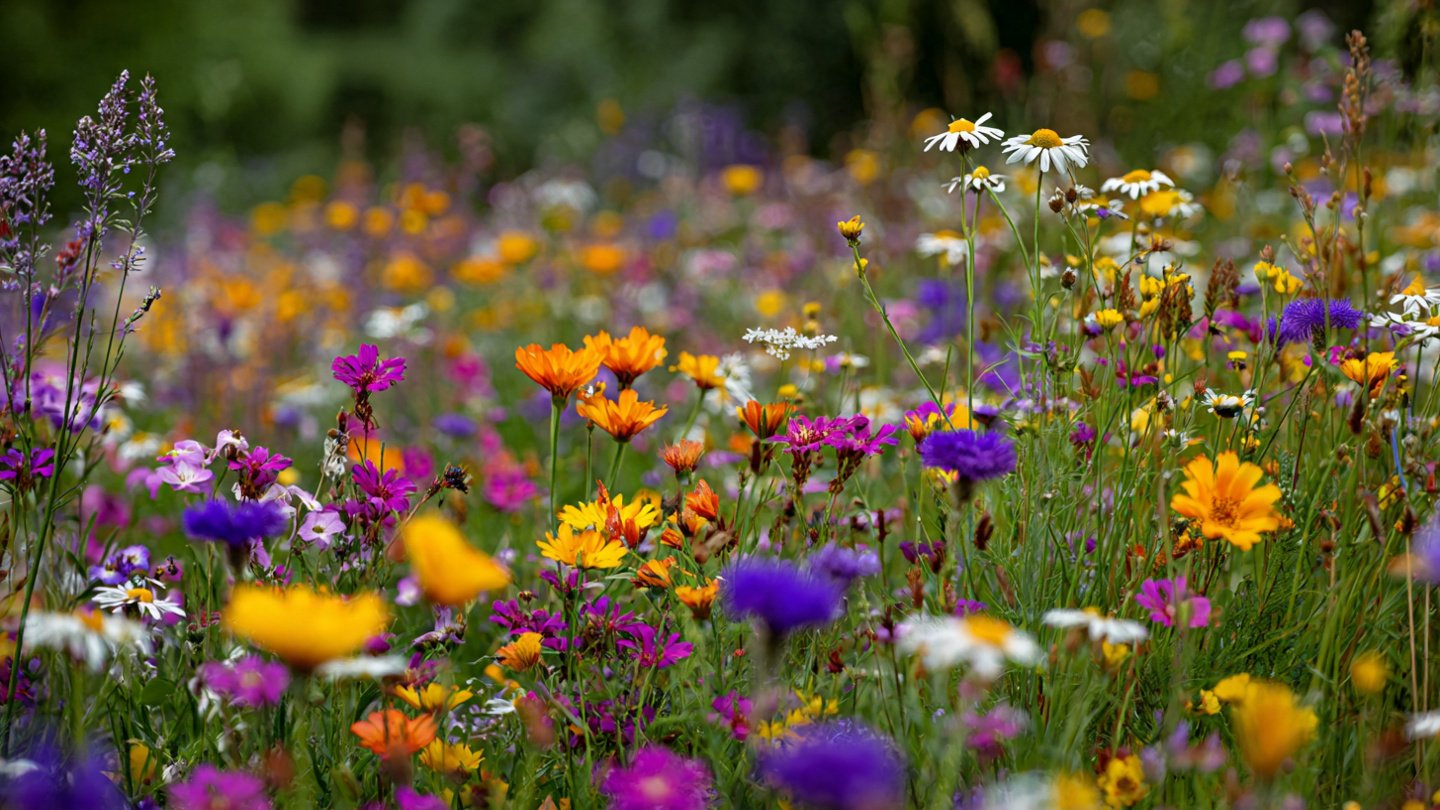
When it comes to designing a beautiful and sustainable garden, one of the first decisions gardeners face is whether to plant a traditional lawn or embrace the charm of wildflowers. Grass lawns have long been a staple of gardens, parks, and residential spaces, but wildflowers are increasingly gaining popularity for their environmental, aesthetic, and practical benefits. So, is planting wildflowers a better choice than grass for your garden? Let’s explore the pros and cons of both options to help you make an informed decision.
The Traditional Appeal of Grass Lawns
Grass lawns have been a symbol of neatness and order for decades. They offer a uniform, green carpet that many homeowners and landscapers prefer.
Advantages of Grass
- Versatility for Activities
- Lawns are ideal for children playing, pets running, or outdoor gatherings.
- A flat grassy surface makes sports and recreational activities easier.
- Classic Aesthetic
- A well-maintained lawn provides a clean, formal look that suits most residential styles.
- Soil Protection
- Grass roots help prevent soil erosion and maintain ground cover.
However, traditional grass lawns also come with significant drawbacks, especially in today’s environmentally conscious world.
Disadvantages of Grass
- High Maintenance: Frequent mowing, fertilizing, and watering are required.
- Water Consumption: Lawns can consume thousands of liters of water per season.
- Chemical Use: Fertilizers and herbicides can harm the environment and pollinators.
- Limited Biodiversity: Grass lawns rarely support insects, birds, or wildlife.
For gardeners seeking low-maintenance and environmentally friendly alternatives, wildflowers offer compelling benefits.
The Rise of Wildflowers in Gardens
Wildflowers are plants that grow naturally without intensive care. Planting them in your garden can create a vibrant, colorful landscape, while also supporting ecosystems.
Advantages of Wildflowers
- Low Maintenance
- Once established, wildflowers require minimal mowing and watering compared to grass.
- Many species are drought-tolerant and naturally adapted to local conditions.
- Biodiversity Boost
- Wildflowers attract pollinators like bees, butterflies, and birds, improving the health of your garden ecosystem.
- They provide habitat for insects and small wildlife, enhancing natural pest control.
- Aesthetic Appeal
- Wildflower gardens offer seasonal color changes, unique textures, and a naturalistic feel.
- You can mix species for continuous blooms throughout spring, summer, and autumn.
- Environmental Benefits
- Wildflowers reduce the need for chemical fertilizers and pesticides.
- They improve soil health and support local ecosystems.
- Less water and energy are needed compared to maintaining a grass lawn.
- Climate Adaptation
- Many wildflower species are hardy and can tolerate extreme heat, drought, or poor soil conditions.
How Wildflowers Compare to Grass
| Feature | Grass Lawn | Wildflowers |
|---|---|---|
| Maintenance | High (mowing, watering, fertilizing) | Low once established |
| Water Needs | Moderate to high | Low to moderate |
| Biodiversity | Low | High (supports pollinators & wildlife) |
| Cost | Ongoing maintenance costs | One-time planting with minimal care |
| Aesthetic | Uniform, formal | Natural, colorful, seasonal |
| Soil Health | Moderate | High, reduces erosion and supports pollinators |
From this comparison, it’s clear that wildflowers provide a more sustainable and wildlife-friendly alternative, especially for gardeners who prioritize environmental impact over traditional lawn aesthetics.
Considerations Before Planting Wildflowers
While wildflowers have many benefits, some considerations are important before transforming your garden:
1. Space and Sunlight
- Most wildflowers need full sun (6–8 hours daily) for optimal growth.
- Shady areas may require shade-tolerant species or partial lawns.
2. Soil Preparation
- Wildflowers prefer well-draining soil.
- Remove grass, weeds, and rocks before sowing seeds.
- Loosening the soil helps seeds germinate effectively.
3. Seed Selection
- Choose native species suited to your region for best results.
- Mix short, medium, and tall species for diversity and visual interest.
4. Establishment Period
- Wildflowers may take a season to fully establish.
- Early care involves watering during dry periods and removing invasive weeds.
5. Seasonal Appearance
- Unlike lawns, wildflowers may not be uniformly green year-round.
- Gardeners should embrace seasonal variation as part of their garden’s charm.
Combining Grass and Wildflowers
For gardeners who love the benefits of both, a hybrid approach is possible:
- Wildflower Borders: Plant wildflowers along fences, pathways, or around flower beds.
- Meadow Lawns: Replace part of your lawn with low-growing wildflower species like clover, chamomile, or creeping thyme.
- Pollinator Strips: Add strips of wildflowers in vegetable gardens to boost pollination.
This approach balances the functional benefits of grass with the ecological and aesthetic advantages of wildflowers.
Tips for a Successful Wildflower Garden
- Start Small
- Begin with a small section of your garden before converting an entire lawn.
- Water Wisely
- Water young seeds gently until established; mature wildflowers often need minimal irrigation.
- Avoid Chemicals
- Fertilizers and herbicides can harm wildflowers and pollinators.
- Prune and Deadhead
- Remove spent flowers to encourage more blooms and prevent unwanted self-seeding in some areas.
- Encourage Pollinators
- Add a birdbath, insect hotels, or bee-friendly plants to attract more pollinators.
- Adapt to Your Climate
- Choose drought-resistant species for dry regions or moisture-loving wildflowers for wetter climates.
Environmental Impact of Choosing Wildflowers
Planting wildflowers instead of grass can significantly reduce your garden’s environmental footprint:
- Water Savings: Wildflowers typically need less irrigation than a standard lawn.
- Reduced Chemical Use: Native wildflowers require minimal fertilizers or pesticides.
- Pollinator Support: Wildflower gardens provide food and habitat for bees, butterflies, and birds.
- Carbon Sequestration: A mix of native plants can store carbon and improve soil health.
By choosing wildflowers, gardeners contribute to biodiversity and sustainability, creating a thriving mini-ecosystem in their backyard.
When Grass Might Be Preferable
While wildflowers offer many advantages, grass lawns still have their place:
- For play areas where children or pets run frequently.
- For formal gardens where uniformity and structure are desired.
- In shaded areas where many wildflowers struggle to grow.
However, even in these cases, gardeners can incorporate low-maintenance, pollinator-friendly grasses or clover lawns to reduce water and chemical needs.
Final Thoughts: Making the Choice
So, is planting wildflowers a better choice than grass for your garden? The answer depends on your priorities:
- For biodiversity, sustainability, and vibrant seasonal beauty: wildflowers are the clear winner.
- For high-traffic recreational lawns or formal garden aesthetics: grass may still be preferable.
- For a balanced, eco-friendly approach: mix wildflowers and grass to enjoy the best of both worlds.
Ultimately, choosing wildflowers transforms your garden into a living, colorful, and sustainable ecosystem, supporting pollinators, reducing maintenance, and providing joy throughout the seasons. Whether you plant a wildflower meadow, border, or mixed lawn, your garden will not only look stunning—it will also benefit the environment for years to come.