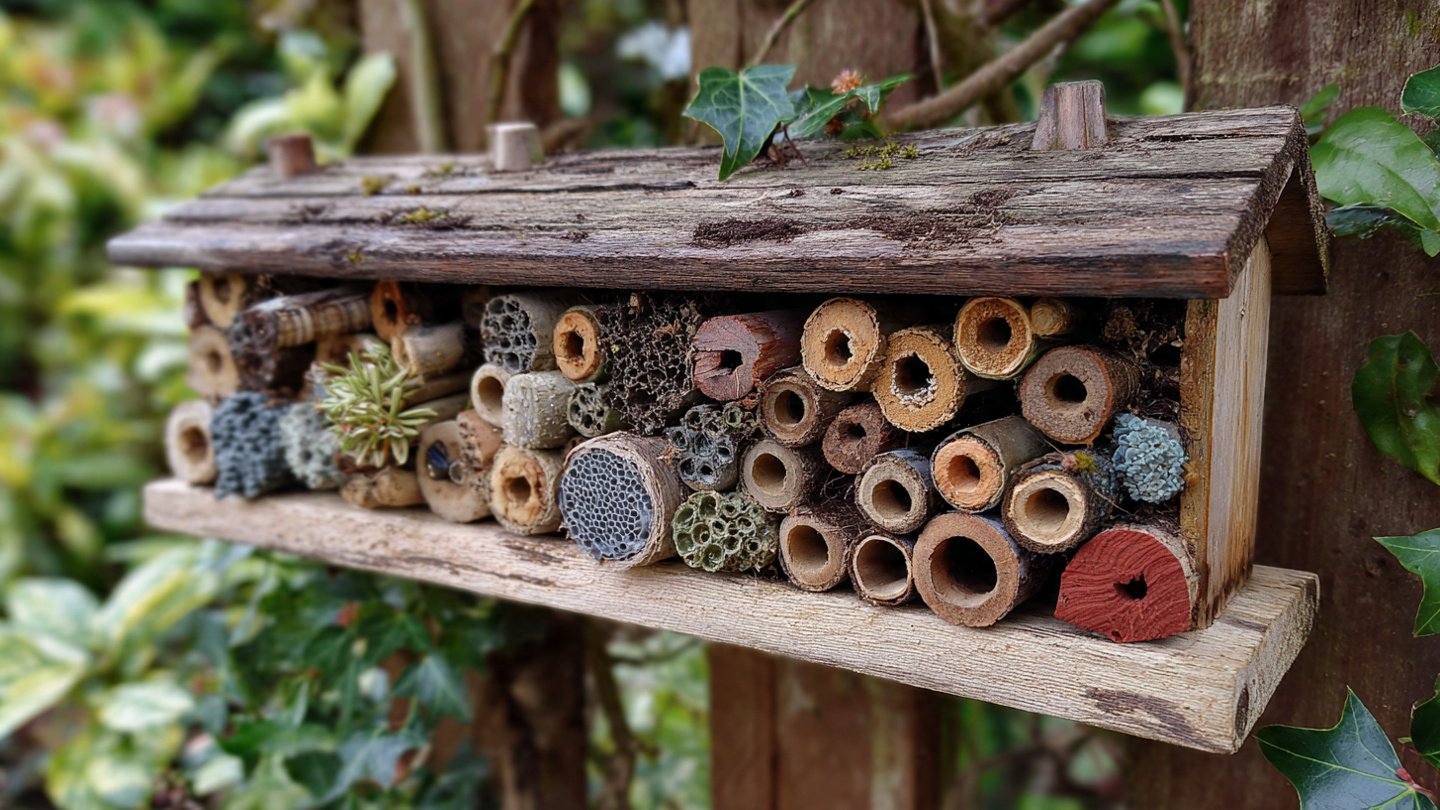
Summer is a challenging season for gardens. The scorching sun, dry soil, and increased pest activity can stress plants, reduce yields, and make maintaining a lush garden feel like an uphill battle. One surprisingly effective solution that gardeners are embracing is the bug hotel, also known as an insect hotel or insect habitat. By creating a safe haven for beneficial insects, a bug hotel can help your garden not only survive but thrive during hot summer months.
This article explores how bug hotels work, the benefits they provide, and how to design and maintain one to maximize your garden’s health, productivity, and biodiversity.
What Is a Bug Hotel?
A bug hotel is a man-made structure designed to provide shelter for beneficial insects such as solitary bees, ladybugs, lacewings, and beetles. These structures mimic natural habitats by offering nooks, holes, and materials where insects can hide, lay eggs, and find refuge from heat, predators, or harsh weather conditions.
Common materials used in bug hotels include:
- Hollow bamboo sticks
- Wooden blocks with drilled holes
- Straw, hay, or dried leaves
- Pinecones and bark
- Bricks with cavities
By creating a safe, structured environment, gardeners can attract helpful insects that naturally support plant health, especially during the stress of summer.
Why Summer Is Critical for Garden Insects
The summer months pose unique challenges for beneficial insects:
- High temperatures: Extreme heat can be fatal to insects that lack shade or shelter.
- Dry conditions: Lack of moisture reduces food availability and reproductive success.
- Predation: Open gardens leave insects exposed to birds or other predators.
- Food scarcity: Certain flowering plants may be past bloom, limiting nectar and pollen sources.
A bug hotel offers microclimates and refuge, helping insects survive when natural shelters are scarce. By protecting these allies, you ensure they continue their vital roles in your garden.
How Bug Hotels Benefit Your Garden in Summer
The benefits of installing a bug hotel go far beyond simply housing insects. Here’s how they directly improve garden health, especially in hot summer conditions:
1. Natural Pest Control
Many insects that inhabit bug hotels are predators of common garden pests. For example:
- Ladybugs feed on aphids, whiteflies, and mealybugs.
- Lacewings devour caterpillars and scale insects.
- Ground beetles consume slugs and snails.
By maintaining these populations during summer, you reduce the need for chemical pesticides, keeping your garden safe, balanced, and sustainable.
2. Improved Pollination
Pollinators thrive in bug hotels. Solitary bees, mason bees, and some wasps use these shelters for nesting:
- Solitary bees are efficient pollinators for fruits, vegetables, and flowers.
- Their activity increases fruit set and yields, even in hot weather when bees may otherwise struggle to find safe nesting spots.
Having a bug hotel ensures a steady pollinator presence even during peak summer heat.
3. Enhanced Garden Biodiversity
A thriving garden requires a balanced ecosystem. Bug hotels attract various species:
- Beneficial insects like spiders, beetles, and predatory wasps.
- Non-predatory insects that contribute to soil health, like decomposers.
Diverse insect populations reduce pest outbreaks and promote healthier, more resilient plants.
4. Microclimate Benefits
The structure of a bug hotel creates shaded, cooler, and more humid microhabitats.
- These microclimates help insects survive extreme heat.
- The same shaded areas can provide cooler spots for young plants or seedlings nearby.
In essence, the bug hotel acts as a natural cooling system for your garden’s micro-ecosystem.
Choosing the Right Location for Your Bug Hotel
To maximize benefits, placement is critical. Consider these tips:
- Sunny mornings, shaded afternoons: Provides warmth in the morning and relief from afternoon heat.
- Near flowering plants or vegetables: Easy access to food and reduces insect travel time.
- Sheltered from strong winds and rain: Protects the hotel’s structure and occupants.
- Off the ground: Mounting slightly above ground prevents dampness and predation by small mammals.
Proper positioning ensures insects use the hotel consistently throughout the summer.
Designing Your Bug Hotel
Bug hotels can be simple or elaborate, depending on your space and creativity.
Basic design ideas:
- Stacked wooden boxes: Fill cavities with bamboo, straw, and pinecones.
- Wall-mounted frame: Drill holes into wooden planks or blocks.
- Mixed-material bundles: Use bundles of twigs, leaves, and dried grass inside a wire frame.
Tips for success:
- Provide a mix of sizes and textures for different insect species.
- Avoid treated or painted wood that could harm insects.
- Ensure drying and ventilation to prevent mold and rot.
Even a small bug hotel can significantly enhance your garden’s health when designed thoughtfully.
Maintenance Tips for Summer Survival
To keep your bug hotel effective:
- Check moisture: Too wet leads to mold; too dry may stress insects.
- Remove debris or old nests: Helps maintain a clean, safe environment.
- Avoid disturbing insects: Let residents go about their natural life cycle.
- Plant nectar sources nearby: Flowers like lavender, borage, or marigolds feed pollinators and attract beneficial insects.
Minimal maintenance ensures summer heat doesn’t disrupt insect populations, keeping your garden thriving.
Companion Planting and Additional Support
A bug hotel works best when combined with a supportive plant environment:
- Plant heat-tolerant flowers and herbs to provide nectar and pollen.
- Include ground covers to maintain soil moisture and protect soil insects.
- Use mulch around vegetable beds to retain water and keep the soil cool.
This holistic approach ensures insects have both shelter and food, improving their survival and effectiveness during hot months.
Common Mistakes to Avoid
Even small errors can reduce a bug hotel’s impact:
- Incorrect location: Too shady or too exposed makes it unattractive to insects.
- Overwatering or soggy materials: Leads to mold, rot, and insect mortality.
- Monomaterial designs: Using only one type of material limits species diversity.
- Frequent disturbance: Constant movement or inspection discourages residents.
By avoiding these pitfalls, you maintain a healthy insect population that helps your garden flourish.
Signs Your Bug Hotel Is Working
You’ll know your bug hotel is effective when you notice:
- Increased presence of ladybugs, lacewings, or solitary bees.
- Reduced pest infestations without pesticides.
- Higher fruit set and more vigorous plant growth.
- Greater biodiversity around vegetable beds and flower borders.
These signs indicate that beneficial insects are thriving and your garden ecosystem is balanced.
DIY and Eco-Friendly Benefits
Creating a bug hotel is cost-effective and environmentally friendly:
- Reuse old wood, bamboo, bricks, or plant materials.
- Reduce reliance on chemical pesticides.
- Contribute to local biodiversity and pollinator conservation.
A simple DIY project becomes both a garden solution and an eco-conscious initiative.
Final Thoughts
In summer heat, your garden faces unique challenges: high temperatures, dry soil, and pest pressures. A bug hotel provides shelter, food, and protection for beneficial insects, helping maintain balance, enhance pollination, and control pests naturally. By choosing the right location, designing varied and ventilated structures, and pairing the hotel with supportive plants, you can transform your garden into a thriving oasis.
Ultimately, a bug hotel isn’t just a decorative addition—it’s a powerful tool for garden resilience. By supporting beneficial insects, you create a self-sustaining ecosystem that keeps your plants lush, healthy, and productive, even during the hottest months of summer. 🌞🐞🌿
A thriving garden doesn’t just survive the heat; it flourishes with the help of nature’s tiniest allies. Installing a bug hotel is one of the simplest, most effective ways to achieve this balance.