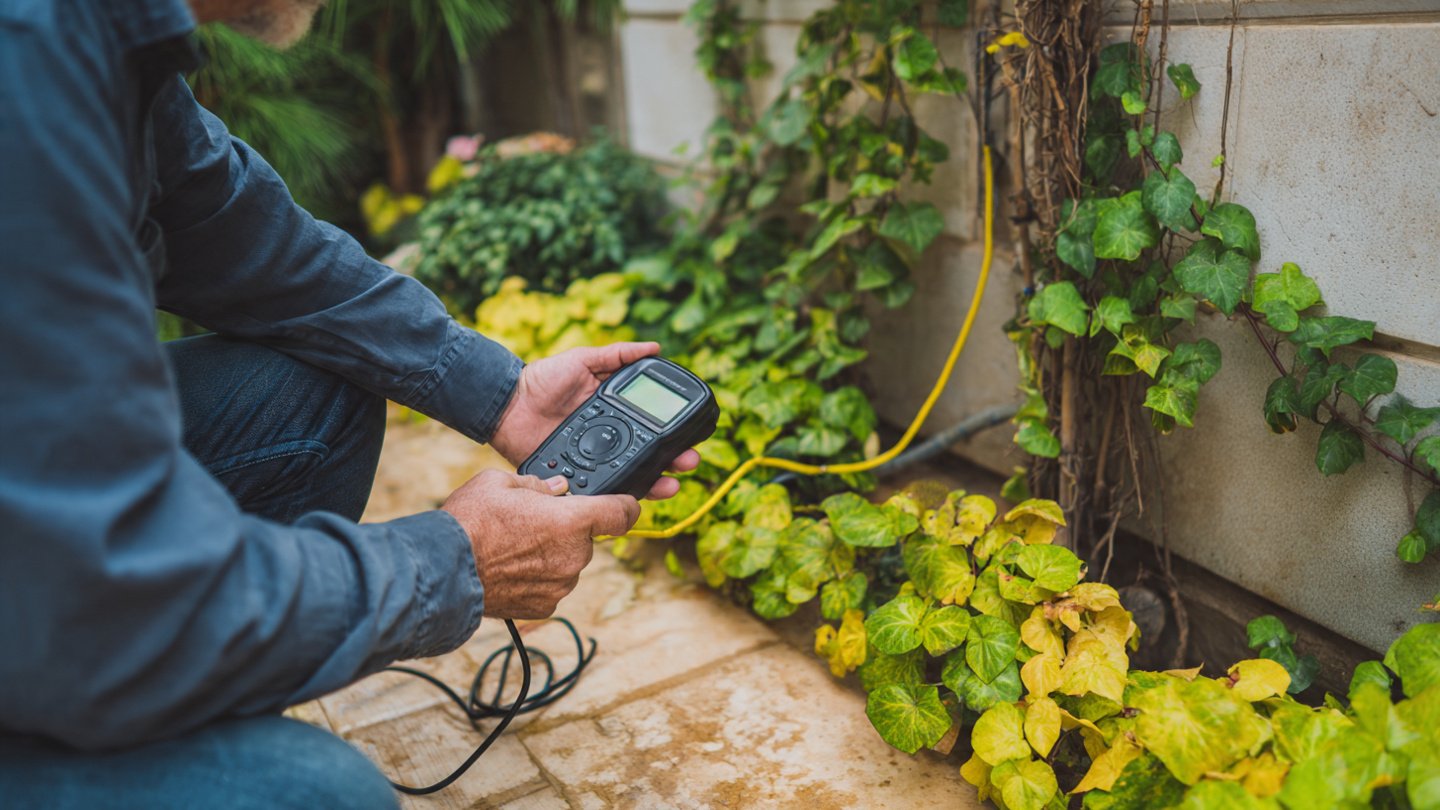
One of the most common challenges for gardeners, whether beginners or experienced, is knowing exactly when to water plants. Too little water can stress plants and stunt growth, while too much can cause root rot and other problems. That’s where a moisture meter becomes an invaluable tool. Using a moisture meter before every watering ensures your plants get just the right amount of water, saving time, conserving water, and improving overall plant health.
In this article, we’ll explore why moisture meters are essential, how to use them effectively, and tips for maximizing your garden’s health with precise watering.
What Is a Moisture Meter?
A moisture meter is a simple tool that measures the moisture content in soil. Most meters have a probe that you insert into the soil and a gauge or digital display showing the moisture level. Some feature color codes—dry, moist, and wet—for quick reference.
Types of Moisture Meters:
- Analog Meters – Traditional meters with a needle gauge. Affordable and easy to use.
- Digital Meters – Provide precise numerical readings and sometimes include temperature or pH measurements.
- Combined Meters – Offer multiple functions like moisture, light, and pH in one device.
By understanding the moisture in your soil, you can water plants only when needed, avoiding guesswork.
Why Guessing Watering Can Be Harmful
Many gardeners rely on touching the soil, observing leaves, or following a schedule to determine watering. While these methods work sometimes, they can be misleading.
Problems with Guessing:
- Overwatering: Common cause of root rot, yellowing leaves, and fungal infections.
- Underwatering: Leads to wilting, slow growth, and poor flowering or fruiting.
- Uneven moisture distribution: Soil at the top may appear dry while deeper roots remain wet.
Using a moisture meter eliminates these uncertainties, helping you water only when necessary.
Benefits of Using a Moisture Meter
1. Protects Plant Health
Monitoring soil moisture helps prevent overwatering and underwatering, two of the biggest threats to plants. Healthy roots and balanced soil moisture promote stronger growth, better flowering, and higher fruit yields.
2. Saves Water and Time
A moisture meter prevents unnecessary watering, which is both environmentally friendly and cost-effective. Instead of watering on a schedule, you water plants only when they need it, conserving water and reducing labor.
3. Enhances Indoor Gardening
Indoor plants, especially tropical and succulents, are highly sensitive to water levels. A moisture meter helps prevent root rot in houseplants while ensuring moisture-loving plants get sufficient hydration.
4. Reduces Plant Stress
Consistent, appropriate watering reduces plant stress, which leads to healthier foliage, vibrant flowers, and stronger root systems.
5. Guides Seasonal Adjustments
Water needs change with seasons. A moisture meter helps you adjust watering frequency as temperatures and humidity fluctuate, ensuring plants thrive year-round.
How to Use a Moisture Meter Effectively
Using a moisture meter is simple, but correct technique matters.
Step 1: Insert the Probe
- Push the probe gently into the soil near the plant’s root zone.
- Avoid forcing it, which can damage roots.
Step 2: Read the Measurement
- Check the gauge or digital reading.
- Typical meter readings:
- Dry – Water needed
- Moist – Soil is adequately hydrated
- Wet – Avoid watering
Step 3: Check Multiple Points
- Test different spots in the pot or garden bed to ensure uniform moisture.
- Some soils dry unevenly, especially in containers or raised beds.
Step 4: Decide Whether to Water
- Only water if the meter indicates dry soil, not just because it feels dry at the surface.
- Avoid watering based on guesswork or schedules alone.
Common Mistakes to Avoid
- Relying on a single reading – Always check multiple areas to get a true picture.
- Ignoring soil type – Sandy soil dries faster than clay; calibrate your watering schedule accordingly.
- Forcing the probe – Can damage roots or compact the soil.
- Over-reliance – Combine moisture meter readings with observation of plants’ leaves and stems for best results.
Moisture Meters for Different Types of Plants
Different plants have different moisture requirements, so a one-size-fits-all approach won’t work.
1. Succulents and Cacti
- Prefer dry soil between waterings.
- Meter readings: only water when soil shows dry in the root zone.
2. Tropical and Houseplants
- Enjoy consistently moist soil.
- Water when meter indicates slightly dry to moist, but never soggy.
3. Vegetable Gardens
- Many vegetables require evenly moist soil for fruiting and growth.
- Meter readings help prevent overwatering leafy greens or under-watering tomatoes.
4. Flowering Plants
- Flowers often respond quickly to moisture stress.
- Water when meter shows soil is leaning dry, ensuring blooms remain healthy.
Indoor vs Outdoor Use
Indoor Plants
- Moisture meters are essential for pots and containers, which dry out differently than garden soil.
- They prevent overwatering, mold growth, and root rot.
Outdoor Gardens
- Useful for raised beds, vegetable patches, and perennial borders.
- Helps manage watering during droughts, hot spells, or rainy seasons.
A moisture meter is a versatile tool, valuable for both indoor and outdoor gardening.
Additional Tips for Using a Moisture Meter
- Clean the Probe – Prevents soil build-up and ensures accurate readings.
- Avoid Extreme Temperatures – Readings may be affected by very hot or frozen soil.
- Combine with Other Tools – Use alongside pH meters, light meters, or fertilizer schedules for optimal plant care.
- Keep Notes – Track moisture readings over time to understand your plants’ water needs.
Real-Life Benefits for Gardeners
Gardeners who use moisture meters often notice:
- Healthier plants – Fewer wilted leaves, better root development.
- Reduced fertilizer waste – Healthy roots absorb nutrients efficiently.
- Less guesswork – Saves time and effort in daily watering decisions.
- Better fruit and flower production – Consistent soil moisture promotes blooms and yields.
Even experienced gardeners find unexpected benefits, such as discovering which plants dry out faster or which pots need more frequent attention.
Final Thoughts
A moisture meter is more than just a tool—it’s a gardener’s guide to precision watering. Using one before every watering ensures your plants receive the exact amount of water they need, preventing stress, improving growth, and reducing the risk of disease. Whether you grow indoor houseplants, tropical foliage, vegetables, or flowers, a moisture meter can save you time, money, and effort while keeping your garden healthy and vibrant.
In short, if you want thriving, happy plants and efficient gardening, a moisture meter is an essential investment. By combining this simple tool with observation, knowledge of plant needs, and proper watering techniques, you can take the guesswork out of gardening and enjoy lush, productive, and beautiful plants all year round.