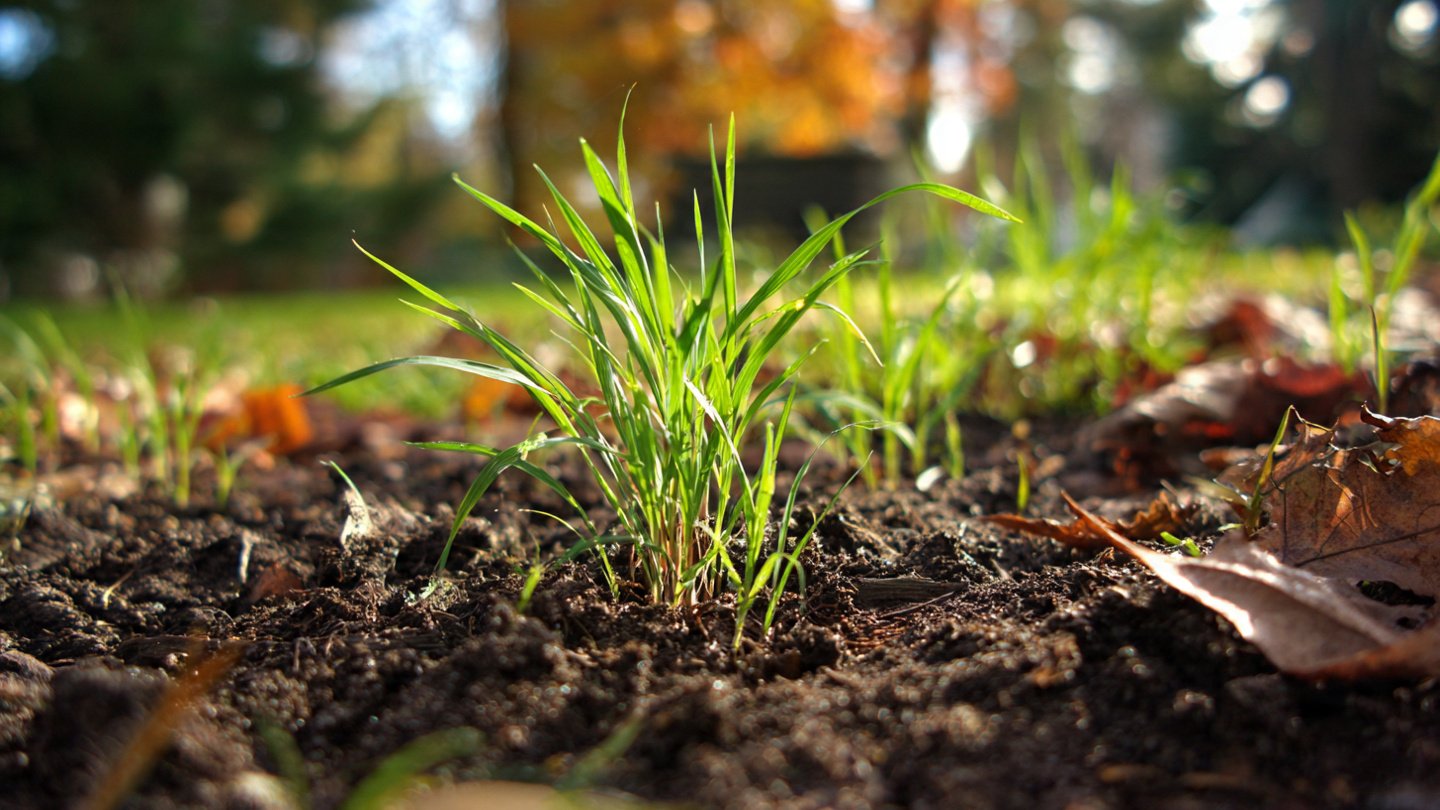
Fall is the perfect season to give your garden or lawn a boost, and one of the smartest choices for gardeners is planting rye grass. Whether you are looking for a lush green lawn, improving soil fertility, or preventing erosion, rye grass offers multiple benefits that make it an ideal fall planting. In this complete guide, we’ll explore why rye grass is valuable, how to plant it, and the best practices to ensure a vibrant and healthy garden.
What Is Rye Grass?
Rye grass is a fast-growing, hardy grass that thrives in cooler temperatures, making it perfect for fall planting. It comes in two main types:
- Perennial Rye Grass
- Stays green for multiple seasons
- Establishes quickly and tolerates heavy foot traffic
- Ideal for lawns, sports fields, and high-traffic areas
- Annual Rye Grass
- Grows quickly but dies after one season
- Often used as a cover crop or temporary green for lawns
- Helps prevent soil erosion and adds nutrients to the soil
Both types are easy to grow, provide quick results, and are low-maintenance options for gardeners looking to rejuvenate their outdoor spaces.
The Benefits of Planting Rye Grass in Fall
Planting rye grass in the fall provides a multitude of benefits for your garden and lawn:
- Fast Germination and Growth
Rye grass germinates quickly—often within 5–10 days—and establishes rapidly. This fast growth ensures a green lawn or garden before winter sets in, giving your landscape an immediate visual improvement. - Soil Erosion Control
In areas with sloped gardens or exposed soil, rye grass roots stabilize the soil and prevent erosion caused by rain or wind. Planting it in fall protects your garden through the winter months. - Improves Soil Fertility
Rye grass acts as a cover crop that adds organic matter when tilled into the soil in spring. Its roots break up compacted soil and enhance soil structure, improving aeration and water retention. - Weed Suppression
A dense rye grass stand prevents weeds from establishing by competing for sunlight, nutrients, and space. This naturally reduces the need for herbicides. - Winter Greenery
Fall-planted rye grass stays green longer than most cool-season grasses, providing visual appeal throughout autumn and early winter. - Perfect for Overseeding
Rye grass can rejuvenate thinning lawns. Overseeding with rye grass ensures a lush, uniform appearance while strengthening the existing turf.
Choosing the Right Rye Grass for Your Garden
The type of rye grass you choose depends on your gardening goals:
- For lawns and permanent greenery: Choose perennial rye grass for long-lasting results.
- For temporary green coverage or erosion control: Annual rye grass is ideal.
- For soil improvement: Either type works, but annual rye grass is often preferred as a cover crop for turning into organic matter.
When selecting seeds, consider your local climate, soil type, and how you plan to use the rye grass. High-quality seed varieties ensure faster germination and better disease resistance.
Preparing Your Garden for Rye Grass Planting
Preparation is key to successful rye grass growth:
- Clear the Area
Remove weeds, debris, and old plant matter. This reduces competition and ensures rye grass seeds get the sunlight and nutrients they need. - Loosen the Soil
Use a rake, garden fork, or tiller to break up compacted soil. Rye grass establishes better in loose, well-draining soil. - Add Soil Amendments
If your soil lacks nutrients, mix in compost or organic matter. This provides essential nutrients for rapid rye grass establishment. - Level the Surface
Smooth out the soil to create an even planting surface. This ensures uniform germination and easier mowing later on if used for lawns.
How to Plant Rye Grass in Fall
Planting rye grass in fall is simple when you follow these steps:
- Choose the Right Time
Plant when daytime temperatures are between 50–70°F (10–21°C) for optimal germination. Early fall is best for cooler regions, while mid to late fall works in milder climates. - Seed Distribution
Spread seeds evenly over the prepared soil. Use a broadcast spreader for larger areas or scatter by hand for smaller plots. - Seed Coverage
Lightly rake the seeds into the soil, covering them with a thin layer of soil (about ¼ inch). Avoid burying seeds too deep, as this can hinder germination. - Watering
Water the area gently but thoroughly. Keep the soil consistently moist until seedlings emerge, usually within 5–10 days. After germination, reduce watering frequency but maintain moderate moisture to encourage strong root growth. - Fertilization
Apply a starter fertilizer high in phosphorus to promote root development. Follow soil test recommendations for nutrient needs.
Maintaining Rye Grass Through Fall and Winter
Caring for rye grass in fall ensures healthy growth and longevity:
- Mowing: Once seedlings reach 2–3 inches, mow lightly to encourage thick, even growth. Avoid cutting more than one-third of the blade at a time.
- Watering: Maintain moderate soil moisture, particularly during dry spells. Reduce frequency as temperatures drop.
- Fertilizing: Apply a balanced fertilizer in early fall to support root establishment. Additional feeding may be needed in mild winter climates.
- Weed Management: Monitor for weeds and remove them early, before they compete with your young rye grass seedlings.
Proper care ensures your fall-planted rye grass thrives and remains green through the colder months.
Common Challenges and How to Overcome Them
While rye grass is hardy, gardeners may encounter some challenges:
- Pests: Occasional insects like armyworms may appear. Hand-pick or use organic insecticides as needed.
- Fungal Diseases: Overwatering and poor airflow can cause fungal problems like leaf spot or powdery mildew. Ensure proper spacing and avoid excessive water.
- Thin Growth: Could be caused by poor soil preparation, low seed quality, or uneven watering. Overseed thin areas and amend soil as necessary.
Most issues are easily managed with proper planting practices and regular monitoring.
Combining Rye Grass with Other Garden Strategies
Rye grass pairs well with other gardening techniques:
- Companion planting: Plant rye grass near vegetable beds to improve soil and reduce weed pressure.
- Cover cropping: Mix rye grass with legumes like clover to fix nitrogen and enrich soil naturally.
- Overseeding: Enhance existing lawns in fall by overseeding with rye grass for thicker, greener turf.
These strategies amplify the benefits of rye grass, making it a versatile addition to any garden.
Final Thoughts: Why Fall Is the Perfect Time for Rye Grass
Planting rye grass in fall offers immediate and long-term advantages: a vibrant green lawn, improved soil health, and reduced erosion. Its quick germination, easy maintenance, and versatility make it ideal for gardeners looking to maximize their garden’s potential.
By selecting the right type of rye grass, preparing your soil carefully, and following best practices for planting and maintenance, you can enjoy a lush, healthy garden through fall and into winter. Whether for aesthetic appeal, soil improvement, or erosion control, rye grass is a simple yet powerful choice for gardeners aiming for a successful and productive outdoor space. 🌱