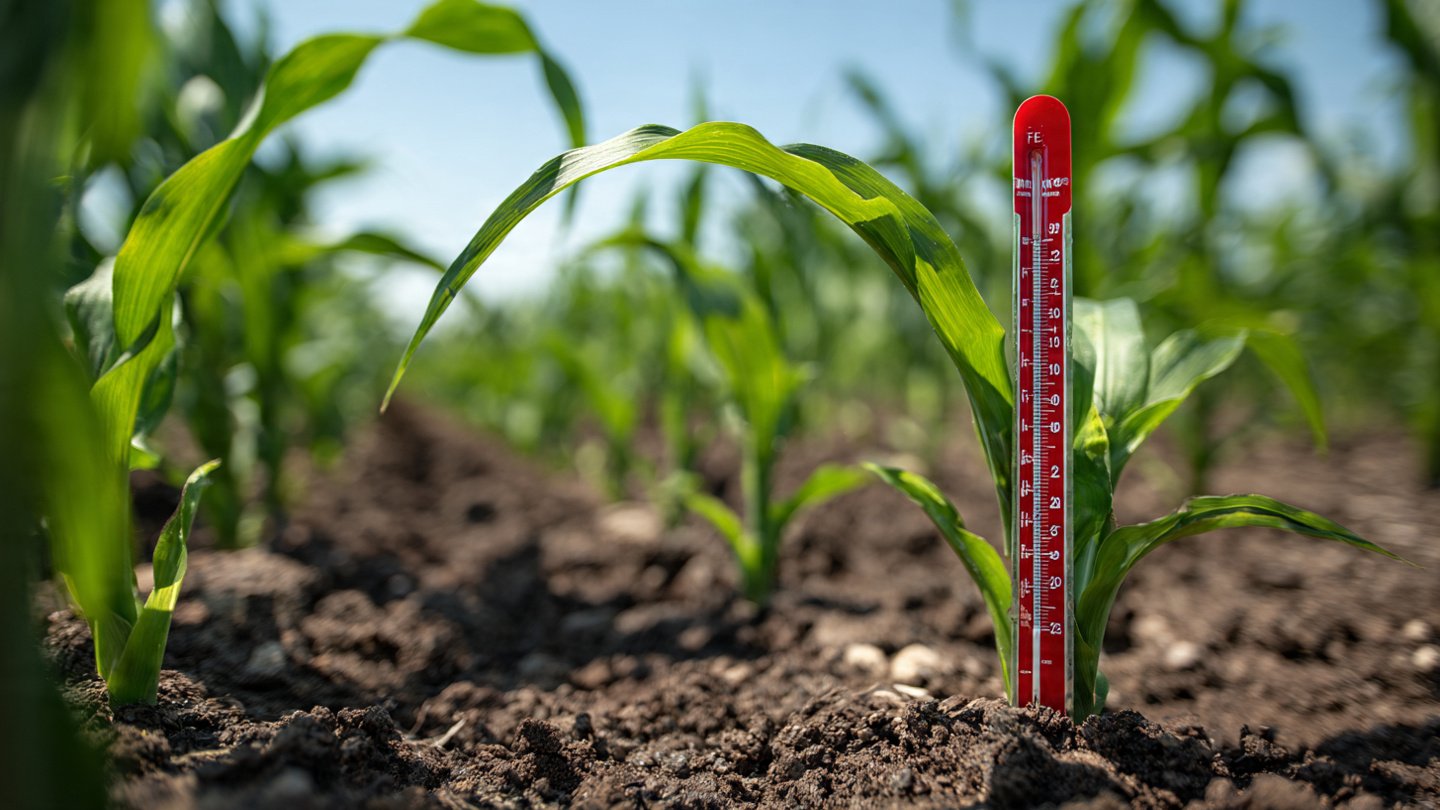
Corn is one of the most widely grown crops in the world, cherished for its sweet kernels, versatile culinary uses, and role in sustainable gardening. While many gardeners focus on sunlight, spacing, and irrigation, one crucial factor often overlooked is soil temperature. Planting corn too early or in cold soil can stunt growth, reduce germination, and delay harvest. This is where a soil thermometer becomes an invaluable tool, giving you precise information to optimize planting success. In this guide, we’ll explore why soil temperature matters, how to use a soil thermometer effectively, and practical tips for growing healthy, productive corn.
Why Soil Temperature Matters for Corn
Corn (Zea mays) is a warm-season crop that thrives in soil temperatures between 60°F and 95°F (16°C–35°C). Unlike cool-season crops, corn seeds germinate slowly in cold soil, and planting too early can result in patchy stands or failed crops. Here’s why soil temperature is critical:
- Seed Germination: Corn seeds require warmth to activate enzymes that trigger germination. Below 50°F (10°C), seeds may rot or germinate inconsistently.
- Root Development: Warm soil encourages strong root systems, which support healthy plants and improve nutrient uptake.
- Early Growth Rate: Cold soils slow down the early stages of growth, delaying flowering and reducing overall yield.
- Pest and Disease Resistance: Corn planted in optimal soil temperatures is more resilient to soil-borne diseases and pests.
By monitoring soil temperature, gardeners can ensure seeds are sown at the right time for maximum success.
The Role of a Soil Thermometer
A soil thermometer measures the temperature at the depth where seeds are planted, usually 1–2 inches (2.5–5 cm) below the surface for corn. While air temperature and calendar dates are often used as guides, they can be misleading because the soil warms more slowly in spring. Soil thermometers provide real-time, accurate readings, allowing gardeners to make informed planting decisions.
Benefits of Using a Soil Thermometer
- Improved Germination Rates: Planting when soil is at the optimal temperature ensures seeds sprout quickly and uniformly.
- Reduced Risk of Seed Rot: Cold, wet soils can cause seeds to rot before germination. Monitoring soil temperature minimizes this risk.
- Optimal Planting Window: Instead of guessing based on weather forecasts, gardeners can pinpoint the perfect time to sow corn.
- Higher Yields: Healthy seedlings establish faster, grow stronger, and produce more productive ears.
How to Use a Soil Thermometer
Using a soil thermometer is simple but requires attention to detail. Follow these steps for accurate readings:
- Choose the Right Thermometer: A standard soil thermometer with a metal probe and clear temperature markings works best. Digital soil thermometers provide faster, precise readings.
- Select the Planting Spot: Measure the soil where you intend to plant your corn. Take readings at multiple locations for consistency.
- Insert the Thermometer: Push the probe 1–2 inches into the soil, avoiding rocks or debris. Ensure good contact with the soil.
- Wait for a Stable Reading: Allow the thermometer to equilibrate for 1–2 minutes. Avoid touching the probe, as body heat can affect accuracy.
- Record the Temperature: For best results, measure soil temperature in the morning when it is coolest and again in the afternoon if needed.
Ideal Soil Temperatures for Corn
Corn seeds perform best in the following soil temperature ranges:
- Minimum Germination: 50°F (10°C) – seeds may sprout slowly.
- Optimal Germination: 60–95°F (16–35°C) – seeds sprout quickly and uniformly.
- Maximum Soil Tolerance: Above 95°F (35°C) – excessive heat can damage seeds or stunt seedlings.
Waiting until the soil reaches at least 60°F (16°C) significantly improves germination and plant vigor.
Preparing Your Soil for Planting
Before planting corn, ensure your soil is ready to support healthy growth:
- Clear Debris: Remove weeds, rocks, and old crop residue. Corn grows best in clean, loose soil.
- Loosen Soil: Till or dig to a depth of 6–8 inches (15–20 cm) to aerate and improve drainage.
- Amend with Nutrients: Corn is a heavy feeder. Incorporate compost or well-rotted manure to provide nitrogen, phosphorus, and potassium.
- Check Soil Moisture: Soil should be moist but not waterlogged. Overly wet soil slows warming and can harm seeds.
Proper soil preparation ensures your corn seeds have the best environment for sprouting and growth.
Timing Your Planting
Using a soil thermometer allows you to plant at the optimal time rather than relying on the calendar. Here’s how to time your planting:
- Early Season Planting: Begin monitoring soil 2–3 weeks before your expected planting date. Wait until the soil reaches 60°F (16°C).
- Staggered Planting: For continuous harvest, plant corn in blocks every 2–3 weeks once the soil consistently reaches optimal temperature.
- Frost Considerations: Corn is frost-sensitive. Even if soil temperature is ideal, ensure there’s no risk of frost, which can damage young seedlings.
By monitoring soil temperature and adjusting planting dates accordingly, you reduce the risk of failed germination and maximize your harvest potential.
Additional Tips for Soil and Corn Success
- Mulching: Use organic mulch to retain soil warmth, especially in cooler climates. Remove mulch before planting to allow the soil to reach the proper temperature.
- Raised Beds: In areas with cool springs, planting corn in raised beds warms soil faster than traditional garden beds.
- Row Orientation: Plant rows north-south to maximize sunlight exposure and soil warming.
- Companion Planting: Corn grows well alongside beans and squash in the classic “Three Sisters” planting method, which improves soil fertility and reduces weeds.
Combining proper soil preparation with accurate temperature monitoring creates a robust environment for corn to thrive.
Troubleshooting Common Problems
Even with careful planning, issues can arise. Here’s how a soil thermometer can help prevent common problems:
- Slow Germination: If seeds take longer than expected to sprout, check soil temperature. Cold soil is often the culprit.
- Poor Seedling Growth: Soil that fluctuates between cold and warm temperatures can stress seedlings. Monitor temperatures consistently.
- Uneven Emergence: Uneven soil warming causes patchy germination. Using a soil thermometer ensures planting occurs in evenly warmed soil.
Proactive monitoring reduces these risks and leads to a more uniform and healthy crop.
The Bottom Line: Why a Soil Thermometer is Essential
A soil thermometer is more than a gardening gadget—it’s an investment in successful, predictable corn growth. By taking the guesswork out of planting, it allows gardeners to:
- Plant seeds only when conditions are optimal
- Avoid wasted seeds due to cold soil
- Promote faster, stronger seedling growth
- Maximize yield and harvest quality
With just a small tool, you can dramatically improve your corn-growing results and enjoy a consistent, productive garden season after season.
Conclusion
Corn is a rewarding crop, but timing and soil preparation are key to success. Using a soil thermometer ensures your soil is warm enough to support germination, root development, and vigorous early growth. By monitoring soil temperature, preparing the soil properly, and following best planting practices, you can minimize failures and enjoy a bountiful harvest.
Whether you are a seasoned gardener or a beginner, the simple act of checking soil temperature before planting corn is a game-changer. With this small investment in time and equipment, you set yourself up for healthier plants, better yields, and a more enjoyable gardening experience. Don’t leave your corn crop to chance—grab a soil thermometer and plant with confidence, knowing that your soil is ready for success.