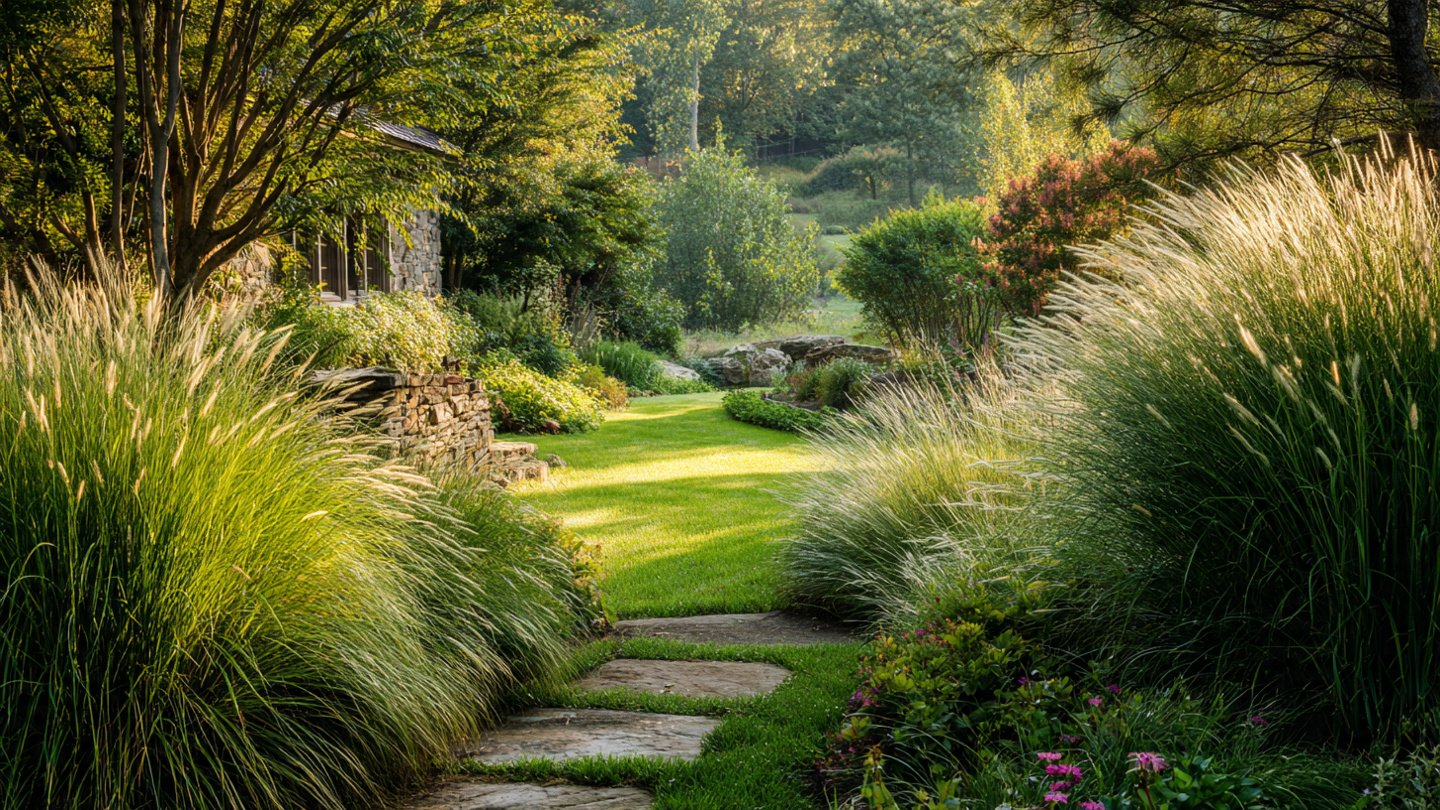
As the days grow shorter and temperatures begin to dip, many gardeners start thinking about preparing their lawns and gardens for the colder months. One of the most effective ways to protect and improve your soil while ensuring a lush, green landscape come spring is by planting rye grass in the fall. This fast-growing, versatile grass is widely appreciated by gardeners for its hardiness, soil benefits, and ability to provide year-round aesthetic appeal.
In this article, we’ll explore the reasons why rye grass is an excellent choice for fall planting, the benefits it brings to your garden, and practical tips for establishing and maintaining it successfully.
What is Rye Grass?
Rye grass is a cool-season grass that thrives in moderate temperatures, typically between 50°F and 65°F (10°C–18°C). It comes in several varieties, with the most common being:
- Perennial Rye Grass: Known for its fast germination, durability, and ability to provide a dense, fine-textured lawn. It is ideal for long-term planting and tolerates regular foot traffic.
- Annual Rye Grass: Often used for temporary cover, erosion control, or to green up a garden quickly. It germinates rapidly but completes its life cycle in one season.
Its quick growth, vibrant green color, and resilience make rye grass a go-to choice for fall gardening projects.
Reason 1: Fast Germination and Quick Green Coverage
One of the main advantages of planting rye grass in the fall is its rapid germination rate. Within 5–10 days under favorable conditions, rye grass seeds can sprout, providing fast green coverage over bare or dormant soil.
This quick growth is particularly beneficial for:
- Improving aesthetics: A dull, patchy lawn can regain a lush green appearance before winter.
- Erosion prevention: The roots of rye grass hold soil in place, reducing erosion on slopes, newly seeded areas, or garden beds.
- Winter preparation: By covering soil quickly, rye grass acts as a protective blanket, insulating roots and retaining moisture.
Gardeners often appreciate that they don’t have to wait weeks to see results, making rye grass a satisfying choice for autumn planting.
Reason 2: Enhances Soil Health
Rye grass isn’t just visually appealing—it also contributes to soil improvement. Its root system penetrates the soil, promoting aeration and increasing organic matter content when it decomposes. Key soil benefits include:
- Increased fertility: Rye grass roots break up compacted soil, allowing water and nutrients to penetrate deeper.
- Nitrogen retention: Rye grass helps retain nitrogen in the soil, reducing nutrient leaching and enriching the garden for future planting seasons.
- Organic matter addition: When mowed or tilled into the soil as green manure, rye grass adds organic material, improving texture and moisture retention.
These benefits make rye grass a valuable cover crop for vegetable gardens, flower beds, and lawns.
Reason 3: Winter Hardiness and Protection
Unlike many warm-season grasses, rye grass is cold-tolerant. Planting in the fall allows it to establish roots before winter, providing:
- Protection for dormant lawns: Rye grass acts as a living mulch, covering bare soil and reducing frost damage.
- Moisture retention: The dense root network helps soil retain moisture during dry winter months.
- Early spring readiness: Established rye grass resumes growth quickly as temperatures rise, giving your garden a head start for spring planting.
This makes rye grass a smart choice for regions with cold winters where soil protection and early spring growth are priorities.
Reason 4: Weed Suppression
A thick, healthy rye grass stand can outcompete many common weeds, reducing the need for chemical herbicides. Its rapid germination and dense coverage prevent weed seeds from establishing by:
- Shading the soil surface, limiting light available for weed germination
- Occupying space that would otherwise be available for invasive plants
- Producing allelopathic compounds in some varieties that inhibit the growth of certain weeds
By planting rye grass in the fall, you can reduce weed pressure naturally, creating a healthier and more manageable lawn or garden bed.
Reason 5: Ideal for Overseeding
Rye grass is perfect for overseeding thin or worn lawns. Fall is the ideal season because:
- Cooler temperatures reduce stress on the new seedlings.
- Fall rains help maintain consistent moisture, aiding germination.
- Existing warm-season grasses are entering dormancy, giving rye grass space and light to grow.
By overseeding with rye grass, gardeners can revitalize tired lawns, fill bare patches, and maintain a vibrant green yard during fall and winter months.
Reason 6: Flexibility for Garden Projects
Rye grass is extremely versatile, making it suitable for various gardening purposes:
- Temporary lawns: Annual rye grass creates a fast-growing green cover for special events or temporary landscaping.
- Vegetable garden cover: Protects soil during off-season periods and provides organic matter when tilled in.
- Erosion control: Stabilizes slopes and newly landscaped areas.
- Container planting: Rye grass can even thrive in large pots or raised beds as a quick green filler.
Its adaptability ensures that no garden space goes unused during fall, maximizing productivity and aesthetic appeal.
Step-by-Step Guide to Planting Rye Grass in Fall
Step 1: Prepare the Soil
- Clear debris, rocks, or dead vegetation from the area.
- Loosen the top 2–3 inches of soil with a rake or garden fork.
- Incorporate compost or well-rotted organic matter to enhance fertility and moisture retention.
Step 2: Choose the Right Seeds
- Select perennial rye grass for long-term lawns.
- Choose annual rye grass for temporary green coverage or soil protection.
- Check the seed label for recommended planting rate.
Step 3: Sow the Seeds
- Spread seeds evenly over the soil.
- Lightly rake to cover seeds with ¼–½ inch of soil.
- Water gently but thoroughly to ensure good seed-to-soil contact.
Step 4: Maintain Moisture
- Keep the soil consistently moist until seedlings emerge, typically within 5–10 days.
- Avoid overwatering, which can wash away seeds or promote fungal growth.
Step 5: Fertilize and Mow
- Apply a balanced, slow-release organic fertilizer 3–4 weeks after germination to encourage dense growth.
- Begin mowing once seedlings reach 3–4 inches tall. Keep mowing height at 2–3 inches for optimal health.
Common Challenges and How to Overcome Them
- Poor germination: Ensure seeds have good soil contact and are not buried too deep. Avoid sowing in overly dry or compacted soil.
- Fungal diseases: Provide proper drainage and avoid waterlogging. Select disease-resistant rye grass varieties if possible.
- Competition with weeds: Remove weeds before sowing and maintain consistent mowing to encourage rye grass dominance.
By addressing these common issues proactively, gardeners can enjoy strong, healthy rye grass growth throughout fall and winter.
Final Thoughts
Planting rye grass in your garden this fall offers a wealth of benefits, from fast green coverage and weed suppression to soil protection and fertility enhancement. Its cold tolerance and rapid growth make it a reliable choice for covering bare soil, revitalizing tired lawns, and maintaining aesthetic appeal throughout the cooler months.
Whether you are looking to create a lush winter lawn, improve your garden soil, or protect bare patches from erosion, rye grass is a simple, cost-effective, and environmentally friendly solution. By planting this versatile grass now, you’ll enjoy healthy, vibrant greenery throughout the fall and winter, giving your garden a head start for spring and ensuring year-round beauty.