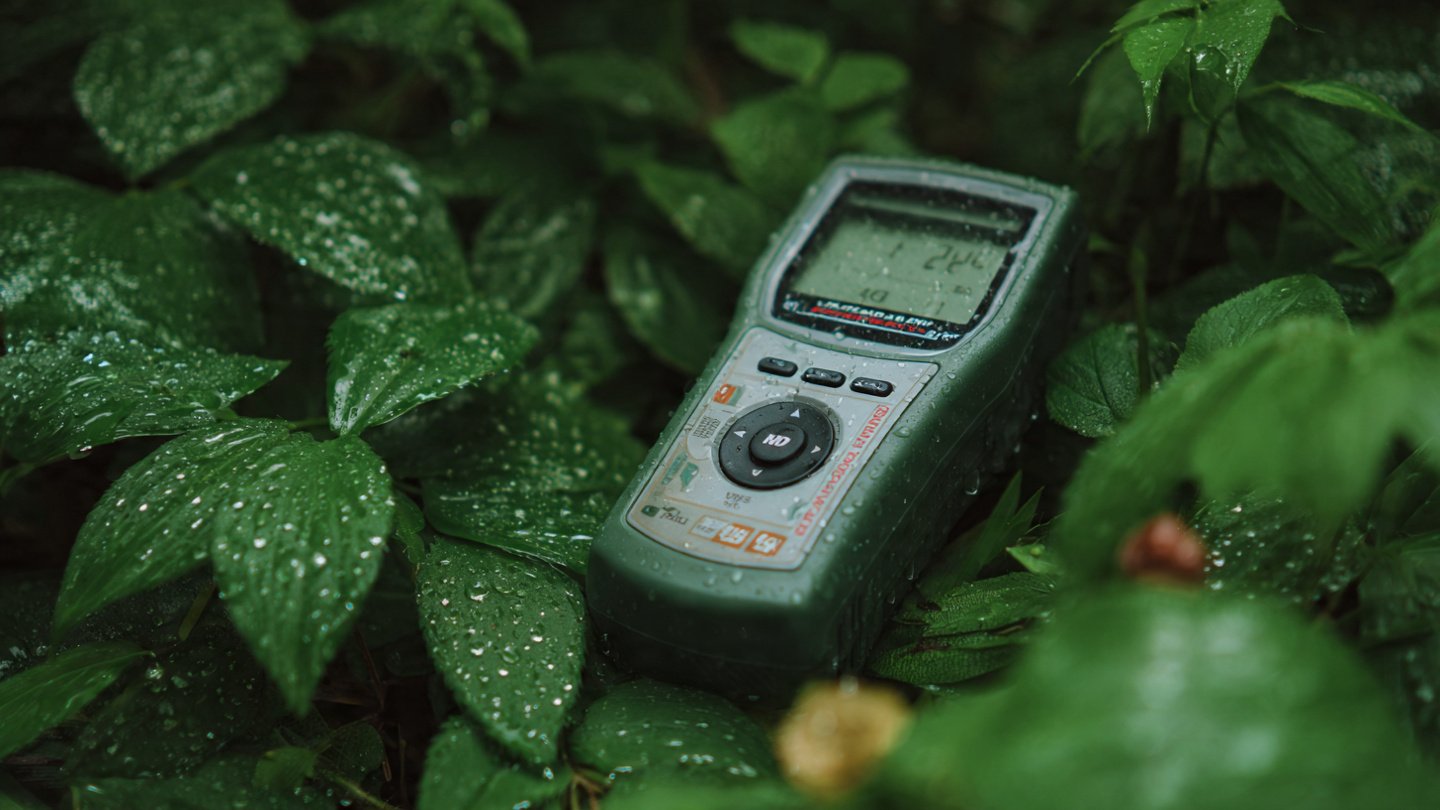
Water is essential for plants, but too much or too little can be harmful. Overwatering is one of the most common causes of plant stress, root rot, and even death, while underwatering can lead to wilting, stunted growth, and poor flowering. How can gardeners strike the perfect balance? The answer lies in a simple yet powerful tool: the moisture meter.
A moisture meter is a device that measures the moisture content of your soil or growing medium, giving you accurate, real-time feedback. By using a moisture meter before every watering, you ensure your plants get exactly what they need—no guesswork, no waste, and healthier growth.
This article explores the benefits of moisture meters, how they work, and why integrating them into your watering routine can transform your gardening success.
Understanding the Problem: Overwatering and Underwatering
Many plant problems are related to improper watering:
- Overwatering: Causes waterlogged soil, suffocates roots, and promotes root rot and fungal infections. Symptoms include yellowing leaves, soft stems, and a foul smell in the soil.
- Underwatering: Dehydrates the plant, reduces nutrient uptake, and leads to wilting, leaf drop, and poor flower or fruit development.
Even experienced gardeners sometimes misjudge soil moisture because visual inspection or finger testing is imprecise, especially for indoor plants, potted plants, or deep-rooted species.
A moisture meter removes the guesswork by providing objective measurements, helping plants thrive and saving time and water.
What Is a Moisture Meter?
A moisture meter is a small device with a probe that you insert into the soil to measure its moisture level. Most meters provide:
- Analog dial meters: Display readings from “dry” to “wet.”
- Digital meters: Offer precise percentage readings or numerical moisture levels.
- Multi-function meters: Some include pH and light sensors for additional plant care insights.
Moisture meters work by measuring electrical conductivity between the probe prongs, which increases in wet soil and decreases in dry soil. The readings help determine whether your plant needs watering, can tolerate a wait, or should be left alone.
Why Use a Moisture Meter Before Every Watering?
1. Prevent Overwatering
Overwatering is the most common cause of plant problems. Even a healthy plant can suffer if its roots sit in waterlogged soil. Using a moisture meter ensures that you only water when the soil is genuinely dry. This is particularly important for:
- Indoor potted plants
- Succulents and cacti, which prefer very dry soil
- Plants with shallow roots that dry unevenly
By checking moisture levels before watering, you prevent water stress and root diseases.
2. Prevent Underwatering
Conversely, a moisture meter can prevent underwatering, which often goes unnoticed. For plants that dry out quickly, such as herbs, vegetables, or tropical species, a meter indicates when the soil moisture is low enough to warrant watering. This ensures:
- Leaves stay vibrant
- Flowers and fruits develop properly
- Roots remain healthy and hydrated
3. Adjust Watering Frequency
Not all plants or pots require the same watering schedule. Factors like soil type, pot size, light exposure, and ambient humidity influence how quickly soil dries. Using a moisture meter allows gardeners to personalize watering schedules rather than following generic guidelines.
For example:
- Clay pots retain moisture longer than plastic pots
- Dark soil dries faster in direct sunlight
- High-humidity rooms reduce evaporation
A moisture meter gives real-time data for precise decisions, saving time and water.
4. Promote Healthy Root Systems
Roots need both oxygen and water. Overwatering suffocates roots, while underwatering limits nutrient absorption. A moisture meter helps maintain the ideal soil moisture zone, where roots can absorb water, oxygen, and nutrients efficiently. Healthy roots support stronger growth, fuller foliage, and more blooms.
5. Reduce Plant Stress
Frequent guesswork in watering can stress plants. Sudden overwatering or extended drought periods can shock roots, leading to wilting, leaf drop, or stunted growth. By using a moisture meter, gardeners can eliminate stress caused by inconsistent watering, creating a more stable environment for plants to thrive.
6. Save Water and Reduce Waste
Water conservation is another key benefit. Many gardeners unknowingly overwater, leading to runoff and wasted water. A moisture meter ensures you only water what is necessary. This is particularly beneficial for:
- Indoor plants
- Balcony or rooftop gardens
- Areas prone to drought
Using a moisture meter promotes eco-friendly gardening by reducing unnecessary water use.
How to Use a Moisture Meter Correctly
Using a moisture meter is simple, but proper technique ensures accurate readings:
- Insert the Probe: Gently push the probe into the soil near the plant’s roots. Avoid forcing it too deep or hitting the pot’s bottom.
- Check Multiple Spots: For larger pots or uneven soil, take readings from 2–3 locations to get a representative measurement.
- Read the Meter: Consult the dial or digital screen. Most meters indicate “dry,” “moist,” or “wet,” or provide percentage values.
- Water Accordingly: Only water if the meter indicates low moisture or a dry reading. If the soil is still moist, wait before watering.
- Clean After Use: Wipe the probe clean to prevent residue buildup and ensure accurate future readings.
Consistency in measurement is key to maximizing the benefits of a moisture meter.
Choosing the Right Moisture Meter
Moisture meters range from simple analog tools to advanced digital devices. Consider these factors:
- Type of plants: Succulents need more precise low-moisture readings.
- Pot size: Long probes are better for deep pots.
- Budget: Basic meters are inexpensive, while multi-function meters with pH and light sensors cost more but offer additional insights.
- Durability: Waterproof or corrosion-resistant meters last longer, especially in damp soil.
Even a basic meter is far superior to guessing soil moisture.
Common Mistakes to Avoid
- Relying on a Single Spot: Soil moisture can vary within a pot. Always check multiple areas.
- Forcing the Probe: This can damage roots or give inaccurate readings.
- Ignoring Plant-Specific Needs: Different plants have different optimal moisture ranges. Know what your specific plant requires.
- Overlooking Calibration: Digital meters may need recalibration over time to maintain accuracy.
Avoiding these mistakes ensures reliable results and healthier plants.
Additional Benefits Beyond Watering
Moisture meters can also:
- Help diagnose plant issues: Consistently high moisture readings may indicate poor drainage or root rot.
- Guide repotting schedules: Dry soil readings may signal the need for fresh soil.
- Assist in propagation: Seedlings and cuttings benefit from carefully monitored soil moisture.
In short, a moisture meter is a versatile tool that extends beyond routine watering.
Final Thoughts
Watering is one of the most critical aspects of plant care, yet it is often mishandled due to guesswork or assumptions. A moisture meter removes uncertainty, giving gardeners precise, actionable data to make informed watering decisions. By using a moisture meter before every watering, you:
- Prevent overwatering and underwatering
- Encourage healthy root development
- Reduce plant stress and improve growth
- Save water and conserve resources
- Tailor care to each plant’s unique needs
Whether you are growing houseplants, vegetables, or flowering shrubs, integrating a moisture meter into your gardening routine is a simple step that leads to healthier, happier plants. For beginners, it builds confidence and knowledge; for experts, it ensures precision and optimal results.
Ultimately, a moisture meter is not just a tool—it’s a bridge to a more mindful, efficient, and successful approach to gardening.
🌱 Investing in a moisture meter might seem small, but its impact on your plants—and your peace of mind—is enormous. Make it a habit: check before you water, and let science guide your green thumb.