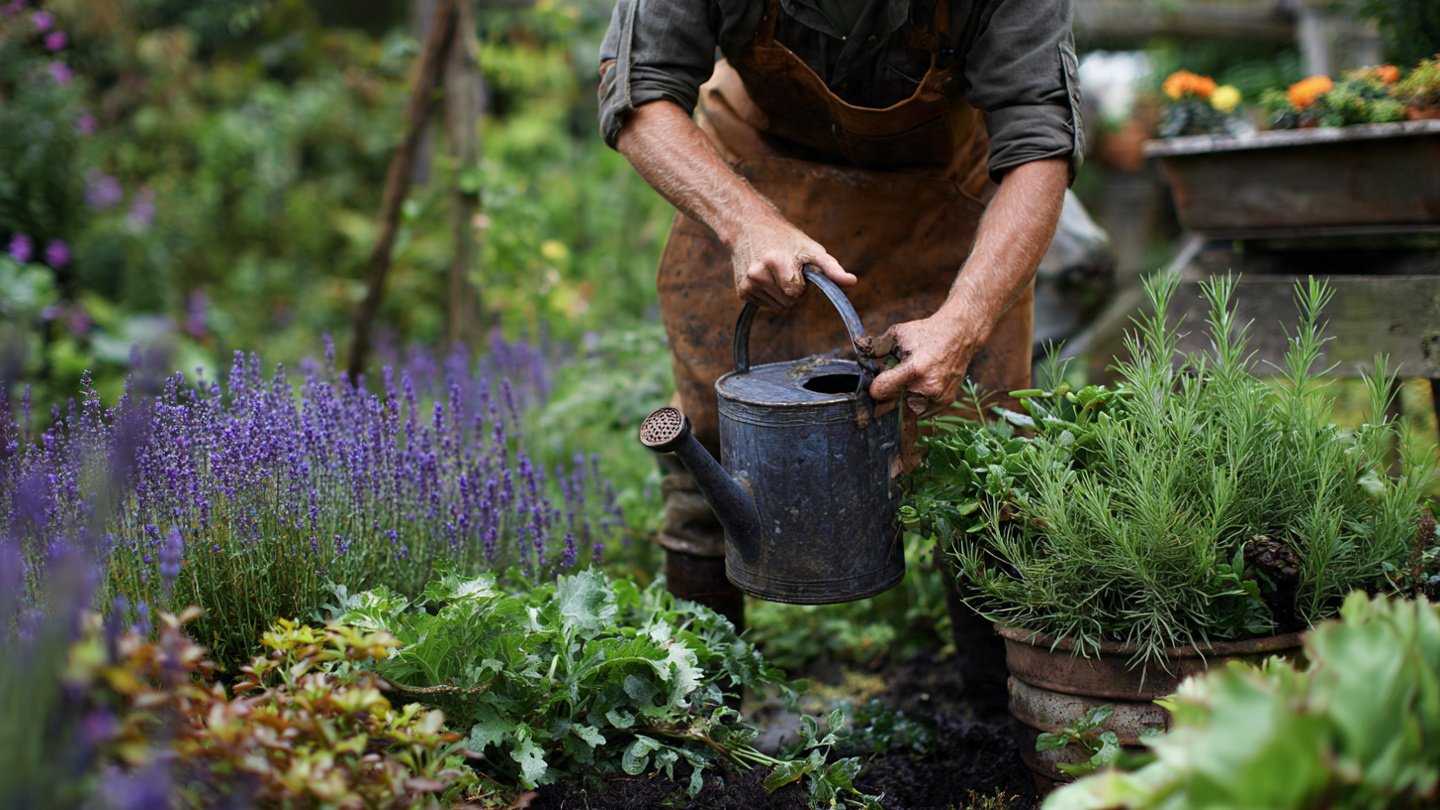
Gardening has evolved significantly over the past decades, and one method gaining immense popularity among professional gardeners is the no-dig gardening method. Unlike traditional gardening, which relies on turning the soil with shovels, spades, or machinery, the no-dig approach focuses on layering organic matter on top of the soil, leaving the natural soil structure intact.
While this approach might seem counterintuitive to some, professionals around the world swear by it. From improving soil health to reducing labor and producing healthier crops, the no-dig method has transformed how modern gardens are managed. This guide explores why professional gardeners prefer no-dig gardening, the science behind it, and how you can implement it successfully.
What is the No Dig Method?
The no-dig method is a low-intervention gardening technique where soil is left undisturbed. Instead of tilling or turning the earth, organic matter such as compost, mulch, and manure is layered on top. This creates a fertile environment for plants while preserving soil structure and microbial life.
Key Principles of No-Dig Gardening:
- Avoid disturbing soil layers: No tilling or spading.
- Add organic matter on top: Use compost, mulch, or leaf litter.
- Encourage natural processes: Worms, fungi, and microorganisms break down materials.
- Plant directly into the enriched surface: Seeds or seedlings are sown on the top layer.
1. Preserves Soil Structure
Traditional tilling breaks up the soil but also disrupts the delicate layers that support microorganisms, fungi, and root systems. Over time, this can lead to soil compaction, erosion, and reduced fertility.
Benefits of Preserving Soil Structure:
- Maintains natural layers, allowing roots to penetrate easily.
- Reduces soil compaction, keeping soil airy and well-drained.
- Encourages deep root growth for stronger, healthier plants.
Professional gardeners value the no-dig method because it maintains soil integrity, creating a sustainable foundation for long-term productivity.
2. Enhances Soil Fertility Naturally
One of the biggest advantages of no-dig gardening is the natural improvement of soil fertility. By adding organic matter on top, nutrients slowly seep into the soil while feeding beneficial organisms.
- Compost: Provides nitrogen, phosphorus, potassium, and trace minerals.
- Mulch: Retains moisture and gradually decomposes, enriching the soil.
- Manure: Adds nitrogen and other nutrients essential for plant growth.
Over time, no-dig beds develop rich, humus-filled soil that is more fertile than traditionally tilled soil. Professional gardeners appreciate that plants grown in no-dig beds are often more robust and productive.
3. Boosts Microbial and Fungal Activity
Healthy soil is alive with microorganisms, bacteria, fungi, and worms—all essential for plant growth. Tilling and digging disrupt these communities, but no-dig gardening preserves and encourages them.
How it Works:
- Fungi, especially mycorrhizal fungi, form symbiotic relationships with plant roots.
- Microbes help break down organic matter into usable nutrients.
- Worms aerate the soil naturally while distributing organic matter.
By fostering this ecosystem, professional gardeners achieve stronger, healthier plants with improved disease resistance.
4. Reduces Labor and Physical Strain
Traditional digging can be exhausting, especially in large gardens. The no-dig method minimizes physical labor, which is a major reason professionals prefer it.
- No spading, tilling, or heavy digging.
- Organic matter can be layered quickly.
- Maintenance mainly involves adding mulch or compost annually.
For professionals managing multiple gardens or large plots, this method saves time and energy while increasing efficiency.
5. Retains Moisture and Reduces Weed Growth
No-dig gardens naturally retain moisture and suppress weeds, reducing the need for constant watering and weeding.
Benefits:
- Mulch layers reduce evaporation, keeping soil consistently moist.
- Thick organic layers block sunlight from reaching weed seeds.
- Less soil disturbance prevents dormant weed seeds from germinating.
Professional gardeners value this because it decreases maintenance and ensures healthier plants with less intervention.
6. Minimizes Soil Erosion
Digging and tilling can leave soil vulnerable to erosion from wind and rain. No-dig beds maintain surface cover year-round, protecting soil from erosion.
- Organic matter on top acts as a protective shield.
- Water penetration is improved without washing away soil.
- Reduces the need for artificial barriers or heavy mulching after tilling.
By reducing erosion, no-dig methods create long-term, sustainable gardens with minimal soil loss.
7. Encourages Biodiversity
A thriving garden depends on biodiversity—not just plants but also insects, worms, and microorganisms. No-dig gardening creates a balanced ecosystem that attracts and supports a variety of life.
- Earthworms and beneficial insects flourish in undisturbed soil.
- Pollinators like bees and butterflies benefit from healthy flowering plants.
- Microbial diversity increases, leading to natural pest resistance.
Professionals appreciate that biodiversity not only improves plant health but also reduces the need for chemical interventions.
8. Produces Higher Yields
Studies and professional experience show that crops grown in no-dig beds often outperform those in tilled soil.
Reasons:
- Richer, humus-filled soil provides consistent nutrition.
- Moisture retention reduces plant stress.
- Healthy microbial activity enhances nutrient uptake.
Whether growing vegetables, flowers, or shrubs, the productivity and quality of no-dig beds often surpass conventional gardens.
9. Supports Sustainable Gardening Practices
No-dig gardening aligns with organic and sustainable principles. It reduces soil degradation, minimizes chemical inputs, and promotes natural cycles.
Professional gardeners adopt no-dig techniques because they:
- Reduce dependence on chemical fertilizers and herbicides.
- Maintain soil health for future seasons.
- Encourage eco-friendly, environmentally conscious gardening practices.
10. Easy to Start and Maintain
Contrary to common misconceptions, no-dig gardening is easy to implement:
How to Start a No-Dig Garden:
- Select a location: Sunny spot with good drainage.
- Prepare the surface: Remove large weeds or debris.
- Add layers: Start with cardboard or newspaper to suppress weeds.
- Layer organic matter: Add compost, mulch, and manure in 4–6 inch layers.
- Plant directly: Sow seeds or plant seedlings into the top layer.
- Maintain annually: Refresh with mulch or compost as needed.
The process is simple, scalable, and ideal for professionals managing multiple plots.
Common Misconceptions About No-Dig Gardening
- It’s only for small gardens: False. Large-scale farms and commercial gardens use no-dig techniques successfully.
- It takes too long for soil improvement: Actually, soil fertility improves steadily, often outperforming tilled soil in 1–2 seasons.
- It’s messy: With proper layering and maintenance, no-dig gardens are clean, organized, and low-maintenance.
Professional gardeners have tested this method extensively and consistently recommend it for efficiency and long-term benefits.
Final Thoughts
The no-dig gardening method has gained a devoted following among professional gardeners for many reasons:
- Preserves soil structure and reduces compaction.
- Enhances fertility naturally through organic matter.
- Encourages microbial and fungal activity, improving plant health.
- Reduces labor, strain, and maintenance.
- Retains moisture, suppresses weeds, and minimizes erosion.
- Supports biodiversity and sustainable practices.
- Produces higher yields and healthier plants.
For anyone looking to create a modern, productive, and eco-friendly garden, the no-dig method is not just a trend—it’s a proven strategy. Professional gardeners prefer it because it allows them to work smarter, not harder, while creating thriving, sustainable gardens that flourish season after season.
By adopting no-dig gardening principles, you too can transform your garden into a vibrant, low-maintenance, and sustainable oasis.Gardening has evolved significantly over the past decades, and one method gaining immense popularity among professional gardeners is the no-dig gardening method. Unlike traditional gardening, which relies on turning the soil with shovels, spades, or machinery, the no-dig approach focuses on layering organic matter on top of the soil, leaving the natural soil structure intact.
While this approach might seem counterintuitive to some, professionals around the world swear by it. From improving soil health to reducing labor and producing healthier crops, the no-dig method has transformed how modern gardens are managed. This guide explores why professional gardeners prefer no-dig gardening, the science behind it, and how you can implement it successfully.
What is the No Dig Method?
The no-dig method is a low-intervention gardening technique where soil is left undisturbed. Instead of tilling or turning the earth, organic matter such as compost, mulch, and manure is layered on top. This creates a fertile environment for plants while preserving soil structure and microbial life.
Key Principles of No-Dig Gardening:
- Avoid disturbing soil layers: No tilling or spading.
- Add organic matter on top: Use compost, mulch, or leaf litter.
- Encourage natural processes: Worms, fungi, and microorganisms break down materials.
- Plant directly into the enriched surface: Seeds or seedlings are sown on the top layer.
1. Preserves Soil Structure
Traditional tilling breaks up the soil but also disrupts the delicate layers that support microorganisms, fungi, and root systems. Over time, this can lead to soil compaction, erosion, and reduced fertility.
Benefits of Preserving Soil Structure:
- Maintains natural layers, allowing roots to penetrate easily.
- Reduces soil compaction, keeping soil airy and well-drained.
- Encourages deep root growth for stronger, healthier plants.
Professional gardeners value the no-dig method because it maintains soil integrity, creating a sustainable foundation for long-term productivity.
2. Enhances Soil Fertility Naturally
One of the biggest advantages of no-dig gardening is the natural improvement of soil fertility. By adding organic matter on top, nutrients slowly seep into the soil while feeding beneficial organisms.
- Compost: Provides nitrogen, phosphorus, potassium, and trace minerals.
- Mulch: Retains moisture and gradually decomposes, enriching the soil.
- Manure: Adds nitrogen and other nutrients essential for plant growth.
Over time, no-dig beds develop rich, humus-filled soil that is more fertile than traditionally tilled soil. Professional gardeners appreciate that plants grown in no-dig beds are often more robust and productive.
3. Boosts Microbial and Fungal Activity
Healthy soil is alive with microorganisms, bacteria, fungi, and worms—all essential for plant growth. Tilling and digging disrupt these communities, but no-dig gardening preserves and encourages them.
How it Works:
- Fungi, especially mycorrhizal fungi, form symbiotic relationships with plant roots.
- Microbes help break down organic matter into usable nutrients.
- Worms aerate the soil naturally while distributing organic matter.
By fostering this ecosystem, professional gardeners achieve stronger, healthier plants with improved disease resistance.
4. Reduces Labor and Physical Strain
Traditional digging can be exhausting, especially in large gardens. The no-dig method minimizes physical labor, which is a major reason professionals prefer it.
- No spading, tilling, or heavy digging.
- Organic matter can be layered quickly.
- Maintenance mainly involves adding mulch or compost annually.
For professionals managing multiple gardens or large plots, this method saves time and energy while increasing efficiency.
5. Retains Moisture and Reduces Weed Growth
No-dig gardens naturally retain moisture and suppress weeds, reducing the need for constant watering and weeding.
Benefits:
- Mulch layers reduce evaporation, keeping soil consistently moist.
- Thick organic layers block sunlight from reaching weed seeds.
- Less soil disturbance prevents dormant weed seeds from germinating.
Professional gardeners value this because it decreases maintenance and ensures healthier plants with less intervention.
6. Minimizes Soil Erosion
Digging and tilling can leave soil vulnerable to erosion from wind and rain. No-dig beds maintain surface cover year-round, protecting soil from erosion.
- Organic matter on top acts as a protective shield.
- Water penetration is improved without washing away soil.
- Reduces the need for artificial barriers or heavy mulching after tilling.
By reducing erosion, no-dig methods create long-term, sustainable gardens with minimal soil loss.
7. Encourages Biodiversity
A thriving garden depends on biodiversity—not just plants but also insects, worms, and microorganisms. No-dig gardening creates a balanced ecosystem that attracts and supports a variety of life.
- Earthworms and beneficial insects flourish in undisturbed soil.
- Pollinators like bees and butterflies benefit from healthy flowering plants.
- Microbial diversity increases, leading to natural pest resistance.
Professionals appreciate that biodiversity not only improves plant health but also reduces the need for chemical interventions.
8. Produces Higher Yields
Studies and professional experience show that crops grown in no-dig beds often outperform those in tilled soil.
Reasons:
- Richer, humus-filled soil provides consistent nutrition.
- Moisture retention reduces plant stress.
- Healthy microbial activity enhances nutrient uptake.
Whether growing vegetables, flowers, or shrubs, the productivity and quality of no-dig beds often surpass conventional gardens.
9. Supports Sustainable Gardening Practices
No-dig gardening aligns with organic and sustainable principles. It reduces soil degradation, minimizes chemical inputs, and promotes natural cycles.
Professional gardeners adopt no-dig techniques because they:
- Reduce dependence on chemical fertilizers and herbicides.
- Maintain soil health for future seasons.
- Encourage eco-friendly, environmentally conscious gardening practices.
10. Easy to Start and Maintain
Contrary to common misconceptions, no-dig gardening is easy to implement:
How to Start a No-Dig Garden:
- Select a location: Sunny spot with good drainage.
- Prepare the surface: Remove large weeds or debris.
- Add layers: Start with cardboard or newspaper to suppress weeds.
- Layer organic matter: Add compost, mulch, and manure in 4–6 inch layers.
- Plant directly: Sow seeds or plant seedlings into the top layer.
- Maintain annually: Refresh with mulch or compost as needed.
The process is simple, scalable, and ideal for professionals managing multiple plots.
Common Misconceptions About No-Dig Gardening
- It’s only for small gardens: False. Large-scale farms and commercial gardens use no-dig techniques successfully.
- It takes too long for soil improvement: Actually, soil fertility improves steadily, often outperforming tilled soil in 1–2 seasons.
- It’s messy: With proper layering and maintenance, no-dig gardens are clean, organized, and low-maintenance.
Professional gardeners have tested this method extensively and consistently recommend it for efficiency and long-term benefits.
Final Thoughts
The no-dig gardening method has gained a devoted following among professional gardeners for many reasons:
- Preserves soil structure and reduces compaction.
- Enhances fertility naturally through organic matter.
- Encourages microbial and fungal activity, improving plant health.
- Reduces labor, strain, and maintenance.
- Retains moisture, suppresses weeds, and minimizes erosion.
- Supports biodiversity and sustainable practices.
- Produces higher yields and healthier plants.
For anyone looking to create a modern, productive, and eco-friendly garden, the no-dig method is not just a trend—it’s a proven strategy. Professional gardeners prefer it because it allows them to work smarter, not harder, while creating thriving, sustainable gardens that flourish season after season.
By adopting no-dig gardening principles, you too can transform your garden into a vibrant, low-maintenance, and sustainable oasis.