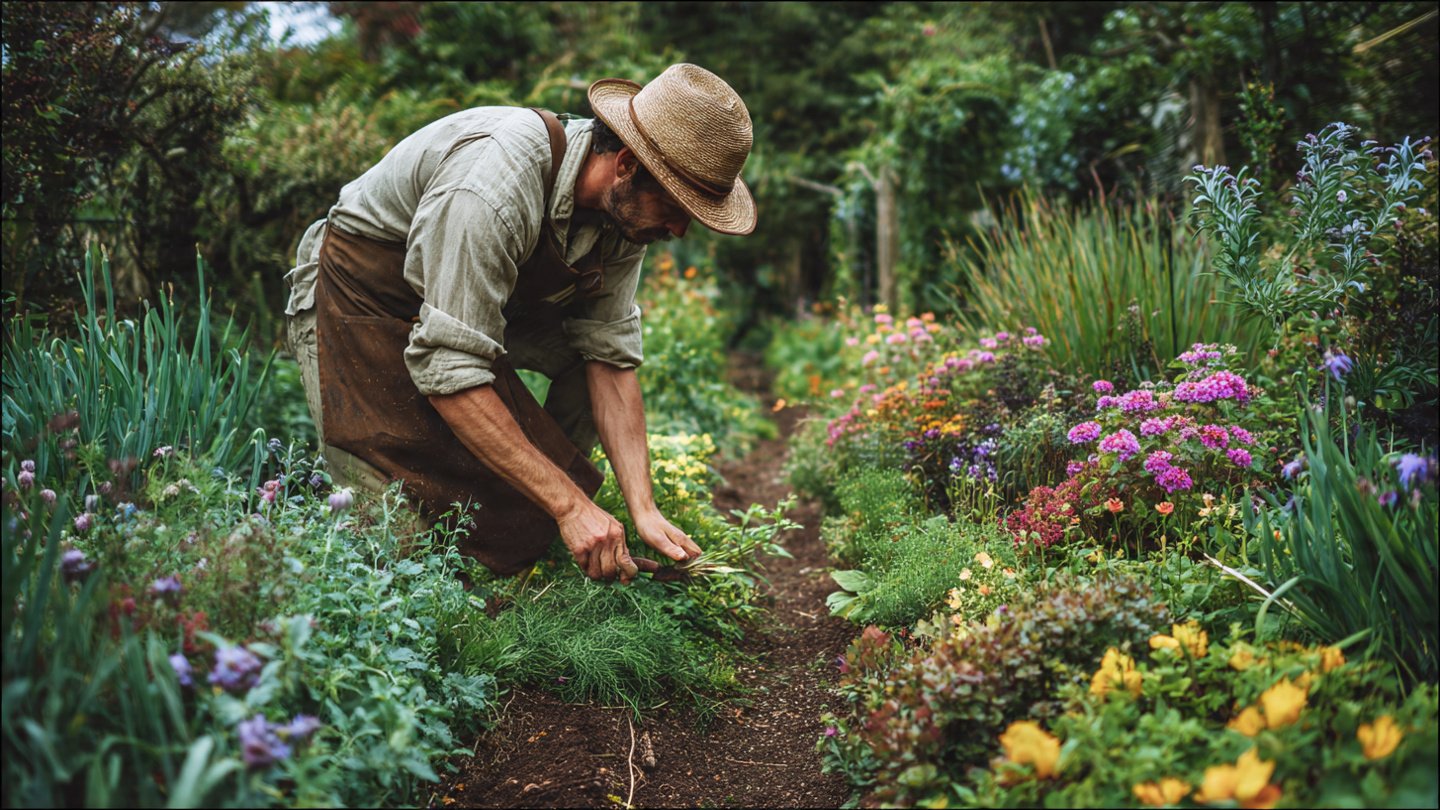
Gardening methods come and go, but one approach has gained significant attention among professional gardeners: the no-dig method. This technique, which emphasizes minimal disturbance of the soil, has been praised for improving soil health, reducing labor, and producing abundant crops. But why exactly do professional gardeners prefer it?
In this article, we’ll explore the principles behind no-dig gardening, its benefits, practical implementation, and why it is increasingly becoming a favorite among experts and home gardeners alike.
Understanding the No Dig Method
The no-dig method, sometimes called no-till gardening, is a system where the soil is left largely undisturbed. Unlike traditional gardening, which involves plowing, digging, or tilling to prepare beds, no-dig gardening relies on layering organic matter on top of the soil. Over time, this organic layer enriches the soil naturally, encourages microbial activity, and allows plants to grow with minimal intervention.
Key Principles of No Dig Gardening
- Minimal Soil Disturbance: Roots and soil structure remain intact, which supports healthy organisms and improves soil fertility.
- Organic Mulch Layer: Gardeners apply compost, straw, leaf mold, or other organic matter on the soil surface.
- Natural Soil Processes: Earthworms and microbes work naturally to aerate and mix the soil, reducing the need for manual digging.
Benefits of No Dig Gardening
Professional gardeners often cite numerous advantages of the no-dig method, from healthier soil to higher yields.
1. Preserves Soil Structure
Digging or tilling breaks up soil layers and can damage the natural structure. No-dig gardening:
- Maintains soil aggregation, which improves water retention and drainage.
- Supports root penetration, making it easier for plants to access nutrients.
- Reduces compaction, especially in clay-heavy soils.
2. Promotes Soil Health
Soil is a living ecosystem full of beneficial organisms—worms, bacteria, fungi, and insects.
- Disturbing the soil can destroy these organisms, slowing decomposition and nutrient cycling.
- No-dig beds encourage microbial activity, increasing nutrient availability for plants naturally.
- Earthworms thrive, mixing organic matter into the soil while improving aeration.
3. Reduces Weed Growth
A thick mulch layer suppresses weeds by blocking sunlight. Over time:
- Fewer weeds appear in no-dig beds.
- Less time is spent weeding manually, freeing gardeners for other tasks.
4. Conserves Water
The mulch layer in no-dig gardening acts as a natural moisture reservoir:
- Reduces evaporation from the soil surface.
- Keeps roots consistently hydrated.
- Reduces irrigation frequency, saving water in dry climates.
5. Improves Yields
Many professional gardeners report larger, healthier plants when using no-dig methods.
- Crops have better access to nutrients and water.
- Reduced stress from digging and minimal disturbance allows plants to grow stronger.
- Leafy greens, root vegetables, and fruiting crops often thrive in no-dig beds.
Practical Implementation of No Dig Gardening
Implementing a no-dig garden may seem intimidating at first, but the process is simple and highly adaptable.
Step 1: Choose Your Site
- Select an area with good sunlight and drainage.
- Avoid waterlogged zones unless raised beds are used.
Step 2: Prepare the Bed
- You don’t need to dig, but you can clear the surface of large weeds or debris.
- For heavy grass or perennial weeds, laying cardboard or thick newspaper on the ground is effective.
Step 3: Layer Organic Matter
- Add a layer of compost (2–3 inches thick) over the cleared area.
- Top with mulch such as straw, leaf mold, or grass clippings to retain moisture.
- Over time, these layers decompose and feed the soil naturally.
Step 4: Planting
- Dig small planting holes through the mulch to place seedlings or seeds.
- For direct sowing, make shallow furrows in the compost layer.
- Cover with a little compost or mulch to protect young plants.
Step 5: Maintenance
- Add fresh compost and mulch regularly to maintain nutrient levels.
- Hand-pull weeds that appear.
- Water as needed, but often less frequently than in conventional gardens.
Why Professionals Prefer No Dig Gardening
Professional gardeners often choose the no-dig method for several strategic reasons:
1. Labor Efficiency
Digging or tilling requires significant physical effort. No-dig methods:
- Save time and energy.
- Reduce repetitive strain, allowing gardeners to focus on planting, harvesting, and crop care.
2. Long-Term Soil Sustainability
Experts understand the importance of healthy soil for ongoing productivity:
- Disturbing soil repeatedly can deplete organic matter.
- No-dig beds build fertility over time, reducing dependence on synthetic fertilizers.
- Soil biology thrives, creating a resilient ecosystem that sustains plant growth season after season.
3. Better Pest and Disease Management
- Minimal soil disturbance reduces exposure of dormant pests.
- A thick mulch layer promotes beneficial insects that prey on pests.
- Professional gardeners find that healthier soil produces stronger, pest-resistant plants.
4. Enhanced Crop Quality
- Plants grown in stable, nutrient-rich soil are often more flavorful, colorful, and nutritious.
- Leafy greens retain freshness longer, root crops grow more uniform, and fruiting vegetables develop better taste.
5. Eco-Friendly Approach
- No-dig gardening reduces fuel use associated with mechanical tilling.
- Less erosion occurs because the soil surface remains intact.
- Professionals who prioritize sustainability prefer this method for its low environmental impact.
Common Misconceptions About No Dig Gardening
Despite its benefits, some gardeners hesitate to adopt no-dig methods due to myths:
Misconception 1: “No-Dig Gardens Require Less Work”
- While digging is reduced, gardeners still need to maintain compost and mulch layers and monitor weeds.
- However, the work is generally less strenuous and more sustainable.
Misconception 2: “It Doesn’t Work for Vegetables”
- No-dig gardens can grow all types of vegetables, including leafy greens, root crops, and fruiting plants.
- Yield may even be higher due to improved soil health.
Misconception 3: “It’s Only for Organic Gardening”
- No-dig methods suit both organic and conventional gardening.
- Synthetic fertilizers can still be used if desired, though the system works best with organic inputs.
Tips for Success in No Dig Gardening
- Start Small: Begin with a single bed to observe decomposition rates and growth patterns.
- Regular Composting: Add new compost or mulch at the start of each growing season.
- Watch Moisture Levels: Mulch helps retain water, but inspect beds during dry spells.
- Plant Rotation: Rotate crops annually to prevent nutrient depletion and reduce disease risk.
- Observe Soil Life: Healthy earthworm activity is a positive sign of successful no-dig gardening.
Final Thoughts
The no-dig gardening method has earned its place among professional gardeners for good reason. By preserving soil structure, promoting microbial health, reducing labor, and improving crop yields, it aligns with both sustainable practices and efficient garden management.
While it may take a little patience to let compost layers build and soil life thrive, the long-term benefits are undeniable. From robust vegetables and flavorful fruits to a thriving garden ecosystem, no-dig gardening is a modern, practical, and eco-friendly approach that combines science with simplicity.
Whether you’re a professional gardener managing multiple plots or a home gardener looking for a low-maintenance, high-yield method, adopting a no-dig system can transform your garden and ensure healthier plants for years to come.