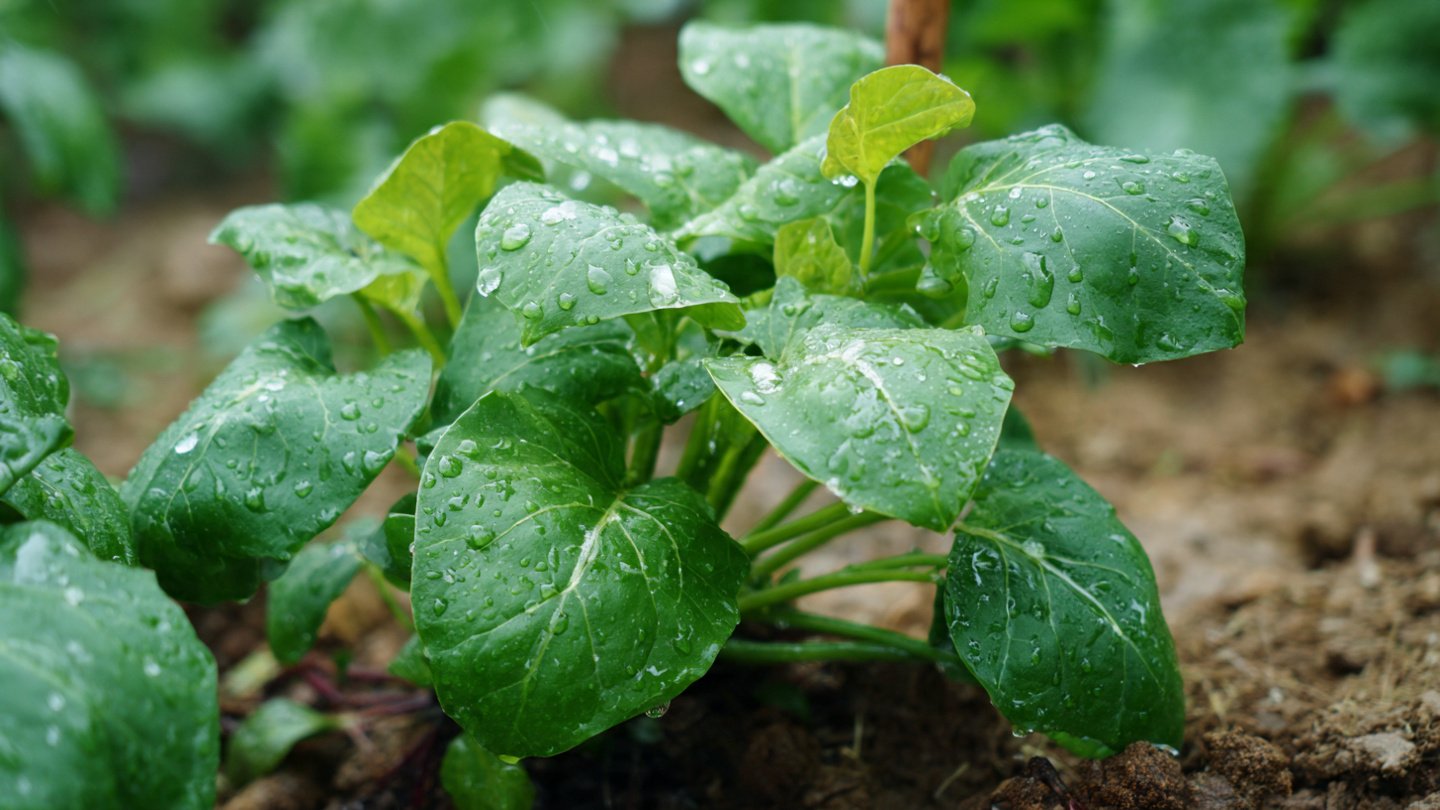
Malabar spinach, also known as Basella alba or Basella rubra, is a hardy, tropical vine celebrated for its lush green leaves, nutritional benefits, and rapid growth. Unlike traditional spinach, Malabar spinach thrives in hot and dry conditions, making it an ideal choice for gardeners looking to reduce watering needs while still enjoying a fast-growing, nutritious leafy green. This article explores how Malabar spinach grows quickly even in dry environments and the science behind its resilience.
What Makes Malabar Spinach Unique?
Malabar spinach is not a true spinach but a vine-like leafy vegetable. Its unique characteristics make it exceptionally suited for low-water environments:
- Succulent leaves and stems: These store water efficiently, allowing the plant to survive periods of drought.
- Heat tolerance: Unlike regular spinach, which bolts in hot weather, Malabar spinach thrives in temperatures of 25–35°C (77–95°F).
- Rapid growth: Its climbing habit allows for vertical growth, quickly covering trellises and maximizing leaf production.
- Nutrient-rich leaves: High in vitamins A and C, iron, calcium, and antioxidants, making it both healthy and delicious.
These qualities make it a versatile crop for gardens, rooftops, balconies, and even semi-arid regions.
The Science Behind Its Fast Growth in Dry Conditions
Malabar spinach’s ability to grow rapidly with minimal water is rooted in several biological adaptations:
1. Succulent Tissues
- The plant has thick, fleshy leaves and stems that store water internally.
- These succulent tissues act as a reservoir, allowing the plant to maintain cell turgor pressure and continue photosynthesis even during dry spells.
- The stored water also helps in maintaining nutrient transport, ensuring steady growth.
2. Efficient Photosynthesis
- Malabar spinach performs C3 photosynthesis, but its leaves are structured to minimize water loss.
- The thick cuticle and waxy coating reduce transpiration, preventing excessive water loss in hot, dry conditions.
- This allows the plant to maintain high growth rates even when water is scarce.
3. Deep and Spreading Root System
- Malabar spinach develops a vigorous root system that reaches deeper into the soil for moisture.
- Shallow lateral roots also capture surface water when available.
- This root architecture ensures continuous hydration, even in periods of minimal rainfall.
4. Climbing Growth Habit
- Its vine-like structure allows leaves to maximize sunlight exposure, increasing photosynthesis.
- Vertical growth reduces competition for light and improves air circulation, preventing disease.
These adaptations explain why Malabar spinach can thrive where other leafy greens would struggle.
Choosing the Right Location for Fast Growth
To maximize growth in dry conditions, location matters:
- Sunlight: Malabar spinach prefers full sun to partial shade, ideally 6–8 hours of sunlight daily.
- Soil: Well-draining, fertile soil with a pH of 6.0–7.5 promotes strong growth.
- Support structures: Trellises, fences, or stakes allow vines to climb and reduce leaf overcrowding.
Even in semi-arid regions, a sunny spot with good soil will allow Malabar spinach to grow rapidly without frequent watering.
Planting Techniques
Malabar spinach can be grown from seeds or cuttings:
1. Growing from Seeds
- Soak seeds in water for 24 hours to improve germination.
- Sow directly in well-prepared soil or seed trays at 1/2 inch depth.
- Germination occurs in 7–14 days, depending on temperature.
2. Growing from Cuttings
- Take 8–12 inch stem cuttings from healthy plants.
- Plant in moist soil or sand; roots develop in 2–3 weeks.
- Cuttings establish quickly and start climbing within a few weeks.
Both methods are highly effective, making Malabar spinach easy to propagate even in challenging conditions.
Mulching and Soil Moisture Conservation
Even though Malabar spinach tolerates dryness, retaining soil moisture ensures optimal growth:
- Apply organic mulch such as straw, dried leaves, or grass clippings around the base.
- Mulching reduces evaporation, moderates soil temperature, and suppresses weeds.
- Even minimal watering after mulching allows vines to thrive without frequent irrigation.
Mulching mimics natural conditions, helping the plant use water efficiently and sustainably.
Fertilization for Maximum Growth
Malabar spinach grows fast, but nutrient support enhances yield:
- Organic compost improves soil fertility and provides slow-release nutrients.
- Balanced fertilizers (NPK 10:10:10) promote both leafy growth and root development.
- Liquid fertilizers or compost tea can be applied every 2–3 weeks for boosted growth.
Proper nutrition ensures dense foliage and continuous harvest, even in dry environments.
Training the Vines
Training Malabar spinach on supports enhances growth and ease of harvest:
- Trellises or vertical nets allow vines to climb, maximizing sunlight exposure.
- Tie young stems gently with soft garden twine to guide their growth.
- Regularly prune excessively long stems to encourage lateral branching, resulting in bushier plants and more leaves.
Vertical training also reduces ground contact, minimizing pest and fungal issues.
Minimal Watering Techniques
Although drought-tolerant, occasional water boosts growth:
- Water at the base of the plant early in the morning to reduce evaporation.
- Avoid overhead watering; leaves can thrive even during dry periods due to succulent water storage.
- Use rainwater collection for supplementary watering during long dry spells.
With these techniques, Malabar spinach can remain healthy and productive without daily watering.
Harvesting Tips
Harvesting regularly promotes fast regrowth:
- Pick leaves when they are young and tender for optimal flavor.
- Use scissors or pinch leaves to avoid damaging the stem.
- Regular harvesting encourages continuous leaf production and prevents plants from becoming leggy.
Frequent harvesting ensures that your vines remain vigorous and produce a steady supply of fresh greens.
Health Benefits of Malabar Spinach
Malabar spinach is packed with nutrients, making it a superfood for the home garden:
- Rich in vitamins A and C, which boost immunity and vision.
- High in iron and calcium, supporting blood health and bones.
- Contains antioxidants that fight free radicals.
- Low in calories, making it ideal for healthy diets.
Growing Malabar spinach ensures fresh, nutrient-dense greens year-round.
Common Challenges and How to Overcome Them
Even drought-tolerant Malabar spinach can face minor issues:
- Aphids or whiteflies: Spray with neem oil or soapy water.
- Leaf yellowing: Usually indicates nutrient deficiency or overwatering at the roots.
- Leggy growth: Caused by insufficient sunlight; train vines on supports and ensure adequate light exposure.
Addressing these issues promptly ensures sustained growth even in dry conditions.
Conclusion
Malabar spinach is a remarkable leafy vegetable that thrives in hot, dry conditions while producing abundant, nutritious leaves. Its succulent stems, deep roots, and climbing growth habit allow it to grow rapidly with minimal water, making it ideal for home gardeners in dry climates or urban spaces.
Key takeaways:
- Malabar spinach stores water in its succulent leaves and stems, reducing the need for frequent irrigation.
- The plant is heat-tolerant and thrives in sunny, dry environments.
- Vertical growth using trellises or nets maximizes sunlight exposure and supports healthy vines.
- Proper soil, mulching, and occasional fertilization promote faster growth and dense foliage.
- Regular harvesting encourages continuous leaf production for year-round freshness.
- Minimal pest and disease management ensures the plant remains productive and healthy.
With these effective techniques, Malabar spinach can provide a lush, productive, and virtually low-maintenance green supply, even in conditions where other leafy vegetables struggle. By understanding the plant’s natural adaptations, you can enjoy year-round freshness, flavor, and nutrition with minimal effort.