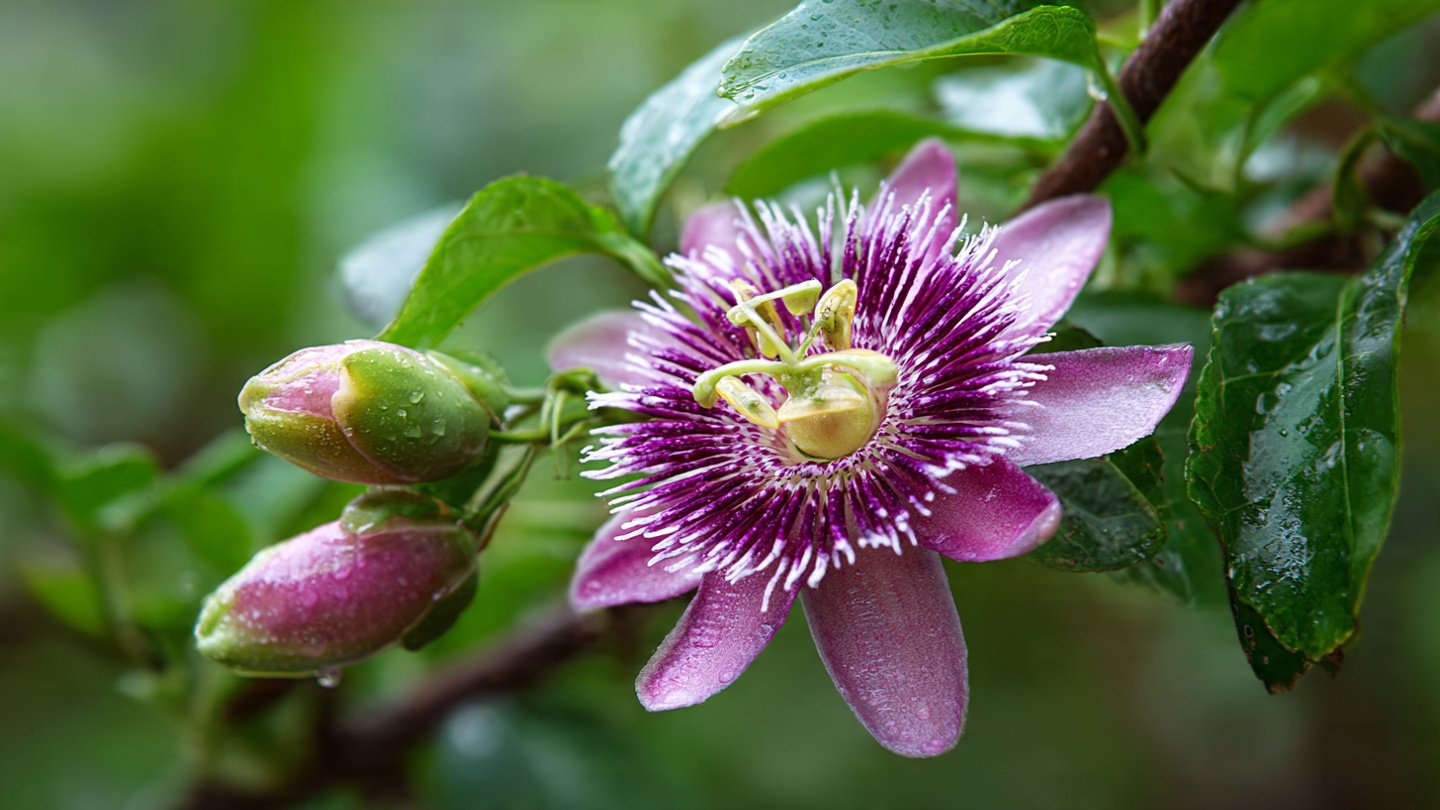
Passion fruit is a tropical delight, cherished for its unique flavor, aromatic fragrance, and numerous health benefits. While many associate passion fruit with spacious gardens or orchards, the good news is that you don’t need a garden to grow it. With simple containers, proper care, and beginner-friendly techniques, anyone can cultivate a thriving passion fruit vine right at home, even on balconies, patios, or small indoor spaces. This guide walks you through the process step by step, making it easy for beginners to enjoy fresh, homegrown passion fruit.
Why Grow Passion Fruit at Home?
Growing passion fruit at home comes with several advantages:
- Freshness and Flavor: Homegrown fruits are more flavorful and aromatic than store-bought varieties.
- Convenience: Having a plant at home ensures a ready supply for juices, desserts, or smoothies.
- Health Benefits: Passion fruit is rich in vitamins A and C, antioxidants, and dietary fiber.
- Space-Efficient Gardening: Container-grown passion fruit requires minimal space, making it ideal for urban living.
- Educational and Fun: Watching a vine grow, flower, and bear fruit is a rewarding experience for beginners and families.
Even if you lack garden space, you can still enjoy the satisfaction of nurturing your own tropical fruit plant.
Choosing the Right Container
Container selection is the first step to successfully growing passion fruit at home.
- Size: Passion fruit vines need space for root growth. Choose a container that is at least 15–20 inches in diameter and 18–24 inches deep.
- Material: Plastic, ceramic, or terracotta pots work well. Plastic retains moisture longer, while terracotta offers better aeration for the roots.
- Drainage: Ensure your pot has multiple drainage holes to prevent waterlogging and root rot.
- Mobility: Lightweight containers are easier to move to optimize sunlight exposure.
A properly sized and well-draining pot sets the foundation for healthy vine growth and fruit production.
Selecting Passion Fruit Varieties
Choosing the right variety is crucial, especially for container cultivation. There are two common types of passion fruit:
- Purple Passion Fruit (Passiflora edulis): Small, dark purple fruits with a sweet-tart flavor. Ideal for cooler climates.
- Yellow Passion Fruit (Passiflora edulis f. flavicarpa): Larger yellow fruits, slightly more acidic, suited for warmer climates and faster growth.
For container cultivation, compact or dwarf varieties are preferred as they are easier to manage and can be trained on trellises or stakes.
How to Start Passion Fruit from Seeds
Growing passion fruit from seeds is simple, and it allows beginners to experience the full lifecycle of the plant.
Step 1: Extract and Clean Seeds
- Cut a ripe passion fruit and scoop out the seeds along with the pulp.
- Rinse the seeds thoroughly under running water to remove the sticky pulp.
- Optional: Soak the seeds in water for 24–48 hours to improve germination rates.
Step 2: Germination
- Paper Towel Method: Place seeds between damp paper towels and keep in a warm, bright location. Check regularly to ensure the towels remain moist. Seeds usually germinate within 2–4 weeks.
- Direct Soil Method: Plant seeds about ½ inch deep in a seed-starting mix or potting soil. Keep the soil moist but not waterlogged. Germination may take 2–6 weeks.
Step 3: Transplanting Seedlings
- Once seedlings have 2–3 sets of true leaves, transplant them into larger pots with well-draining soil.
- Provide support, such as a small stake or trellis, for the vine to climb.
Soil Requirements for Passion Fruit in Containers
Passion fruit thrives in fertile, well-draining soil. Use a potting mix with the following characteristics:
- Loamy Texture: Allows good drainage while retaining adequate moisture.
- Rich in Organic Matter: Mix compost, well-rotted manure, or vermicompost to provide essential nutrients.
- pH Level: Slightly acidic to neutral soil with a pH of 6.0–7.0 promotes optimal growth.
Avoid heavy clay soils in containers, as they can retain too much water and suffocate the roots.
Sunlight and Temperature
Passion fruit plants require ample sunlight to produce flowers and fruits:
- Sunlight: Provide at least 6–8 hours of direct sunlight daily. A sunny balcony or near a south-facing window is ideal.
- Temperature: Passion fruit grows best in warm conditions, ideally between 20–30°C (68–86°F). Protect the plant from frost or cold drafts.
- Indoor Growth: If growing indoors, supplement with grow lights to ensure adequate light intensity for flowering.
Proper light exposure is essential for flowering, which directly affects fruit production.
Training and Supporting the Vine
Passion fruit is a climbing vine, so support is essential for healthy growth and fruit development:
- Trellises: Install a small trellis or bamboo stakes in the container to guide the vine upward.
- Tying: Gently tie the vine to the support as it grows to encourage vertical growth and prevent tangling.
- Pruning: Remove weak or overcrowded shoots to maintain airflow and encourage flowering.
A well-supported vine maximizes sunlight exposure and ensures stronger, healthier growth.
Watering and Fertilization
Maintaining consistent moisture and proper nutrition is key to a successful container-grown passion fruit vine:
- Watering: Keep the soil evenly moist. Water deeply when the top inch of soil feels dry. Avoid overwatering, as stagnant water can cause root rot.
- Fertilization: Use a balanced fertilizer (NPK 10-10-10) during vegetative growth.
- Flowering Stage: Increase potassium and phosphorus content during flowering to encourage larger, more abundant fruits. Organic options like banana peels, compost tea, or seaweed extract work well.
- Frequency: Feed every 2–4 weeks during the growing season.
A consistent watering and feeding routine ensures vigorous growth, abundant flowers, and healthy fruit.
Flowering and Pollination
For container-grown passion fruit, flowering is the precursor to fruiting:
- Flowering Time: Passion fruit typically flowers within 6–12 months from seed.
- Pollination: Passion fruit flowers are self-fertile but benefit from hand pollination indoors. Use a small brush to transfer pollen from one flower to another to increase fruit set.
- Removing Dead Flowers: Regularly remove faded flowers to encourage new blooms and healthy fruit development.
Hand-pollination is a simple technique that ensures higher yields, especially when growing indoors or in areas with limited pollinators.
Harvesting Passion Fruit
Knowing when and how to harvest ensures the best flavor and ripeness:
- Color Change: Fruits are ready when they change from green to purple or yellow, depending on the variety.
- Slight Wrinkling: Wrinkled skin indicates peak ripeness and sweet flavor.
- Picking Method: Twist or cut fruits gently to avoid damaging the vine.
Regular harvesting encourages the plant to produce more flowers and subsequent fruit cycles.
Troubleshooting Common Issues
Even with simple methods, container-grown passion fruit may encounter challenges:
- Yellowing Leaves: Often caused by overwatering or nutrient deficiency. Check soil moisture and fertilize appropriately.
- Poor Flowering: May result from insufficient sunlight or lack of pollination. Provide more light or hand-pollinate flowers.
- Pests: Watch for aphids, mealybugs, and spider mites. Use organic solutions such as neem oil or insecticidal soap.
- Root Rot: Ensure proper drainage and avoid waterlogging to prevent this common problem in containers.
Regular observation and timely intervention help maintain healthy, productive plants.
Benefits of Growing Passion Fruit in Containers
Growing passion fruit in containers at home offers unique advantages:
- Space-Saving: Perfect for apartments, balconies, or small patios.
- Control Over Growth: Containers limit vine size, making it easier to manage.
- Easy Mobility: Move plants to optimize sunlight or protect from adverse weather.
- Year-Round Gardening: Indoor containers allow gardening even in urban or cold environments.
- Personal Satisfaction: Enjoy the rewarding experience of nurturing a tropical fruit plant from seed to harvest.
With the right setup, anyone can enjoy a homegrown passion fruit vine without needing a traditional garden.
Conclusion
Growing passion fruit at home without a garden is not only possible but also simple and beginner-friendly with the right approach. By using containers, selecting suitable varieties, providing proper sunlight, soil, and water, and practicing hand pollination, you can cultivate a thriving passion fruit vine right on your balcony or indoors.
From germinating seeds to supporting the vine, ensuring flowering, and harvesting sweet fruits, every step can be enjoyable and educational. With patience, consistent care, and attention to detail, you can enjoy fresh, flavorful passion fruit at home—no garden required.
Start today, follow these simple techniques, and soon you’ll be savoring the taste and satisfaction of homegrown passion fruit. This container-friendly method makes tropical gardening accessible to everyone, turning any small space into a lush and productive oasis.