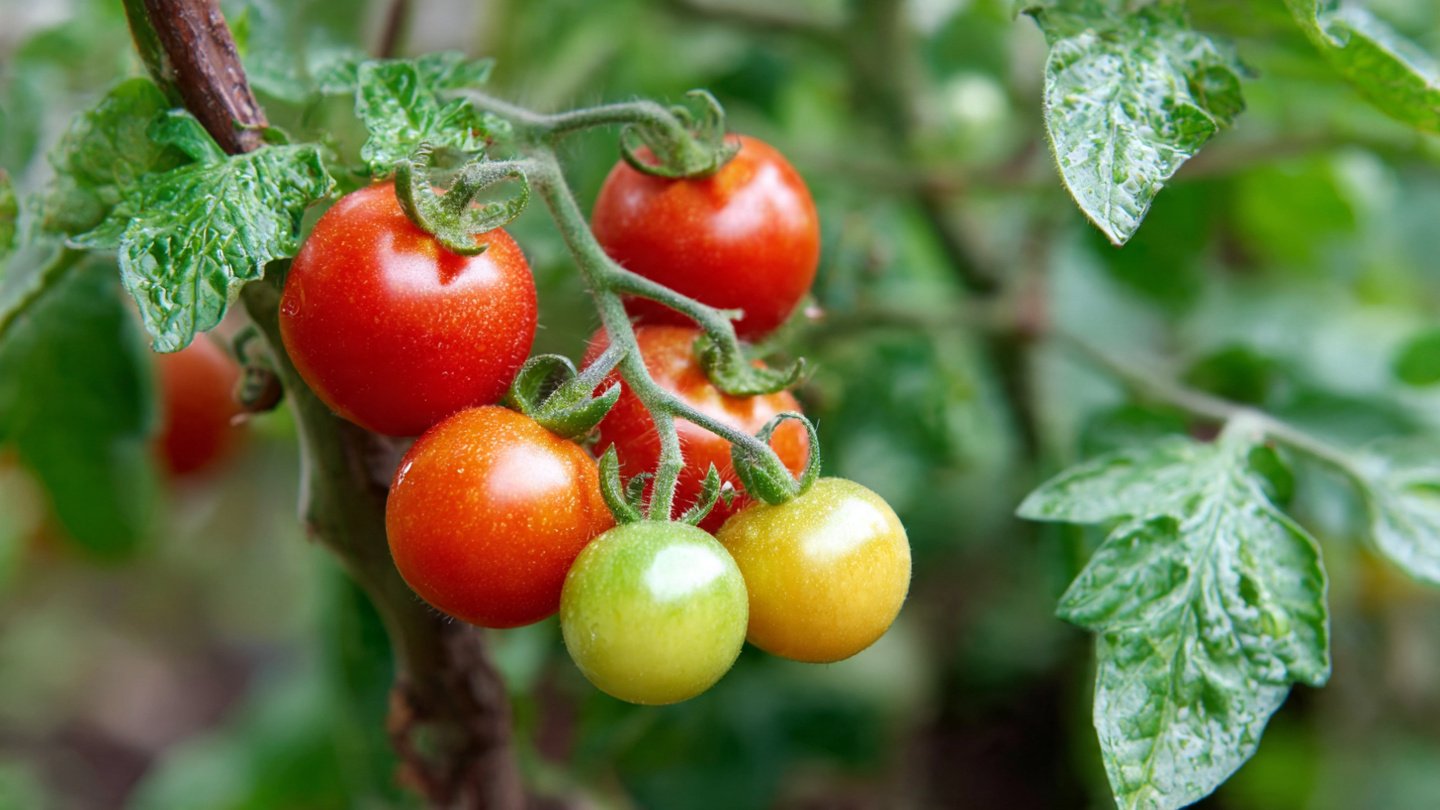
Tomatoes are one of the most popular and rewarding plants to grow at home. They thrive in sunlight, love warm soil, and reward gardeners with juicy, flavorful fruits. But despite careful watering, fertilizing, and pruning, many gardeners struggle with low yields, poor fruit development, or pest issues. What if I told you that banana peels, something most of us throw away, could unlock the secret to healthier, faster-growing tomato plants? This simple, natural method has been quietly used by gardeners around the world, and it’s time to reveal exactly how banana peels can help your tomatoes thrive like never before.
Why Bananas Work Wonders for Tomatoes
Banana peels are not just biodegradable kitchen waste—they are a rich source of nutrients that tomatoes crave. Here’s why they are so beneficial:
- Potassium Boost: Potassium is essential for tomato plants. It improves flower and fruit development, enhances taste, and strengthens the plant against diseases. Banana peels are packed with potassium, which promotes bigger, juicier tomatoes.
- Phosphorus Supply: Phosphorus supports root development and helps plants absorb other nutrients more efficiently.
- Calcium Content: Calcium prevents blossom end rot, a common problem where tomato fruits develop black, sunken tips.
- Organic Matter: As banana peels decompose, they improve soil structure, retain moisture, and encourage beneficial microbes.
Unlike synthetic fertilizers, banana peels provide a slow-release, natural nutrient source, feeding your tomatoes over time without the risk of over-fertilization.
How to Use Banana Peels for Tomatoes
There are several ways to incorporate banana peels into your tomato-growing routine, each with its own advantages.
1. Direct Soil Burial
This is the simplest method and works well for both potted tomatoes and garden beds.
Steps:
- Cut the banana peel into small pieces.
- Dig a small hole or trench near the base of the tomato plant, about 2–3 inches deep.
- Bury the banana peel pieces, leaving a small gap from the stem to avoid rot.
- Cover with soil and water immediately.
Tip: Burying peels close to the roots ensures nutrients are absorbed gradually as the peel decomposes.
2. Banana Peel Compost Tea
If you prefer liquid feeding, banana peel compost tea is highly effective for quick nutrient uptake.
Steps:
- Chop 2–3 banana peels and place them in a blender with 2 cups of water.
- Blend until smooth.
- Pour the mixture at the base of the tomato plant every 2–3 weeks.
Benefits:
- Provides immediate potassium and phosphorus to developing fruits.
- Easy to use for container-grown tomatoes.
- Can be mixed with other compost teas for a nutrient-rich cocktail.
3. Banana Peel Mulch
Using banana peels as mulch around the base of tomato plants is another clever method.
Steps:
- Lay whole or chopped banana peels on the soil surface around the plant, 1–2 inches away from the stem.
- Cover lightly with soil to prevent fruit flies and pests.
- Replenish the mulch every 1–2 weeks as it decomposes.
Benefits:
- Keeps soil moist, reducing watering needs.
- Adds slow-release nutrients gradually.
- Attracts earthworms, which further enrich the soil.
4. Dry Banana Peel Powder
For gardeners who want long-term storage and convenience, banana peel powder works wonders.
Steps:
- Dry banana peels in the sun or an oven until completely dry.
- Grind them into a fine powder.
- Sprinkle 1–2 tablespoons around the base of each tomato plant every few weeks.
Tip: This method allows you to stockpile banana peels and use them throughout the growing season.
Timing Is Key
Banana peels are most effective when used strategically throughout the tomato growth cycle:
- Seedlings and Early Growth: Use small amounts of compost tea or finely chopped peels to promote strong root development.
- Flowering Stage: Apply banana peel mulch or tea to boost potassium levels and encourage abundant blossoms.
- Fruit Development: Increase banana peel applications to support fruit size, flavor, and color.
By timing banana peel feeding with your tomato’s growth stages, you can maximize yields and overall plant health.
Additional Benefits of Banana Peel Feeding
Aside from the obvious nutrient boost, using banana peels offers other advantages:
- Soil Microbe Support: Decomposing banana peels encourage beneficial bacteria and fungi that improve nutrient availability.
- Reduced Waste: Repurpose kitchen scraps instead of sending them to landfills.
- Eco-Friendly Gardening: A natural, chemical-free alternative to synthetic fertilizers.
- Cost Savings: Bananas are cheap or free, making this method highly economical.
Combining Banana Peels with Other Organic Inputs
For even better results, banana peels can be combined with other natural fertilizers:
- Eggshells: Provide extra calcium to prevent blossom end rot.
- Coffee Grounds: Add nitrogen for leafy growth.
- Compost: Boosts overall soil fertility and moisture retention.
- Molasses or Sugar Water: Feeds beneficial microbes and supports healthy root systems.
By creating a holistic, organic feeding system, you can keep your tomato plants strong, disease-resistant, and highly productive.
Practical Tips for Rooftop or Container Tomatoes
Banana peels are perfect for container-grown tomatoes, whether on a balcony, rooftop, or patio:
- Small Pots: Chop peels finely to prevent accumulation and odor.
- Large Containers: Whole peels can be buried near the root zone for gradual nutrient release.
- Drainage: Ensure containers have good drainage to prevent waterlogging.
- Regular Monitoring: Container tomatoes rely on limited soil, so nutrient replenishment with banana peels every 2–3 weeks is ideal.
Caution: Avoid Overfeeding
While banana peels are beneficial, too much can cause problems:
- Excess moisture may attract fruit flies or other pests.
- Overfeeding can lead to excessive foliage growth at the expense of fruiting.
- Always bury peels a few inches from the stem to prevent rot.
Moderation is key—think of banana peels as a supplement, not the sole fertilizer.
Success Stories and Observations
Many gardeners have reported remarkable results using banana peels:
- Increased blossom count and earlier fruiting.
- Juicier, sweeter tomatoes with better texture.
- Enhanced resistance to minor pests and environmental stress.
- Reduced need for chemical fertilizers.
Combining banana peels with proper sunlight, watering, and pruning practices can lead to a truly thriving tomato garden.
Conclusion
The secret to growing tomatoes with banana peels is simple yet often overlooked: this natural kitchen waste is a powerful, slow-release fertilizer packed with potassium, phosphorus, calcium, and organic matter. By incorporating banana peels into soil, as compost tea, mulch, or powdered fertilizer, gardeners can promote healthy roots, abundant blossoms, and bigger, juicier fruits.
This method is eco-friendly, cost-effective, and perfect for both backyard and container gardening. Whether you’re a beginner looking for an easy natural fertilizer or an experienced gardener aiming for bigger yields, banana peels can transform your tomato-growing experience.
So next time you enjoy a banana, don’t toss the peel—turn it into a secret weapon for your tomatoes and watch your garden flourish like never before.