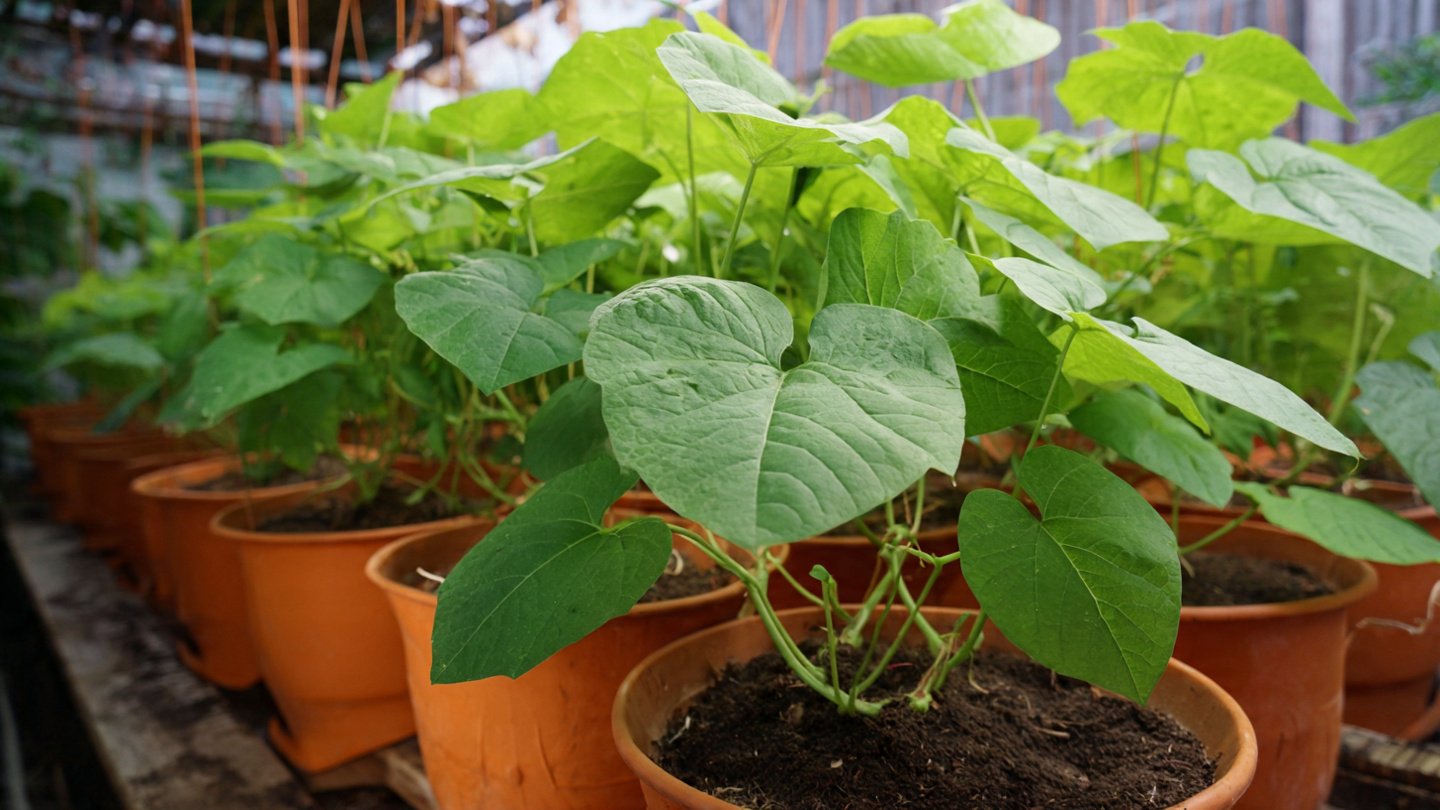
Sweet potatoes (Ipomoea batatas) are not only delicious but also highly nutritious, packed with beta-carotene, fiber, vitamins, and minerals. Traditionally grown in large garden plots, sweet potatoes can surprisingly thrive in small spaces with container gardening, including plastic tubs. This method is perfect for urban dwellers, apartment balconies, patios, or anyone with limited yard space who wants to turn a small area into a productive food garden. Growing sweet potatoes in plastic tubs is simple, efficient, and rewarding—producing fresh, homegrown tubers without the need for a traditional garden.
In this guide, we’ll provide a step-by-step approach to growing sweet potatoes in plastic tubs, covering everything from tub selection to harvest.
Why Grow Sweet Potatoes in Containers?
Container-grown sweet potatoes offer several benefits:
- Space Efficiency: Ideal for small patios, balconies, and urban settings.
- Soil Control: You can provide loose, nutrient-rich soil that encourages tuber growth.
- Mobility: Tubs can be moved to follow sunlight or protect plants from extreme weather.
- Pest Management: Containers reduce exposure to soil-borne pests like nematodes and beetles.
- Continuous Harvest: With proper care, you can grow sweet potatoes in multiple batches throughout the season.
With the right setup, plastic tubs become a miniature garden that produces a substantial yield without needing a yard.
Step 1: Choose the Right Plastic Tub
The container you select is crucial for healthy sweet potato growth:
- Size: Choose a tub at least 18–24 inches deep and wide, with a minimum volume of 15–20 gallons. Sweet potatoes develop long tubers that require ample space.
- Material: Food-grade plastic is best, as it is lightweight, durable, and safe for growing edible crops.
- Drainage: Drill several drainage holes at the bottom of the tub to prevent waterlogging, which can cause rot.
- Mobility: Lightweight tubs can be moved easily to adjust sunlight exposure.
A spacious tub ensures the roots have enough room to grow into large, healthy tubers.
Step 2: Prepare the Soil
Sweet potatoes thrive in loose, well-draining, nutrient-rich soil:
- Soil Mix: Use a combination of garden soil, compost, and sand or perlite to create a light, airy medium. Avoid heavy clay, which can hinder tuber development.
- pH Level: Sweet potatoes prefer slightly acidic to neutral soil (pH 5.5–6.5).
- Nutrients: Incorporate organic compost or a balanced slow-release fertilizer for consistent growth.
- Preparation: Remove debris, stones, and weeds from the soil.
Healthy soil promotes strong root development and increases the yield of large, flavorful tubers.
Step 3: Select Healthy Sweet Potato Slips
Sweet potatoes are grown from slips, which are sprouts produced from a mature tuber:
- Healthy Slips: Choose slips that are 10–12 inches long, with several leaves and healthy stems. Avoid damaged or weak slips.
- Variety Selection: Select varieties suited to your climate and taste preferences. Popular options include Beauregard (sweet and orange), Jewel (deep orange), or Carolina Ruby.
- Starting Slips: You can grow slips from a fresh sweet potato by partially submerging it in water until sprouts appear.
Healthy slips are the foundation for vigorous plants and high tuber yields.
Step 4: Plant the Slips in the Tub
Planting slips properly ensures optimal growth:
- Filling the Tub: Fill the plastic tub with soil, leaving 2–3 inches of space at the top.
- Planting Depth: Insert slips 3–4 inches deep, covering the base and lower leaves with soil.
- Spacing: Plant 2–3 slips per tub to prevent overcrowding while maximizing space.
- Watering: Water thoroughly after planting to settle the soil around the roots.
Well-planted slips develop strong roots and vigorous vines, which support tuber production.
Step 5: Provide Adequate Sunlight
Sweet potatoes are sun-loving plants:
- Light Requirements: Place tubs in a location with 6–8 hours of direct sunlight daily.
- Indoor Growing: If grown indoors, supplement with full-spectrum grow lights for 12–14 hours daily.
- Temperature: Sweet potatoes prefer warm conditions (75–85°F or 24–29°C). Protect plants from frost or prolonged cold.
Sufficient sunlight ensures healthy vine growth and increases the size and number of tubers.
Step 6: Watering and Moisture Management
Consistent moisture is essential for lush growth:
- Frequency: Water tubs 2–3 times per week, keeping soil consistently moist but not waterlogged.
- Method: Water at the base to avoid wetting the leaves, which can attract pests and diseases.
- Drainage Check: Ensure excess water drains freely from the tub.
Proper watering promotes tuber development and prevents bitter or malformed roots.
Step 7: Support Vine Growth
Sweet potato vines can grow vigorously and spread widely:
- Pruning: Trim excessive vine growth if space is limited.
- Training: Use trellises or stakes to train vines vertically or over edges, saving space.
- Mulching: Apply organic mulch on top of the soil to retain moisture, regulate temperature, and suppress weeds.
Managing vine growth helps maintain healthy plants and reduces stress on tubers.
Step 8: Fertilization and Maintenance
Regular feeding keeps plants productive:
- Fertilizer: Use a low-nitrogen, high-phosphorus, and potassium fertilizer to encourage tuber growth rather than excessive leaf growth.
- Frequency: Apply fertilizer every 3–4 weeks during the growing season.
- Maintenance: Remove damaged or yellowing leaves and check for pests such as aphids or flea beetles. Use organic sprays if necessary.
Balanced nutrition ensures vigorous growth, strong roots, and high-quality tubers.
Step 9: Harvesting Sweet Potatoes
Harvesting correctly is key to maximizing yield and quality:
- Timing: Sweet potatoes are ready 90–120 days after planting, when vines start yellowing.
- Method: Gently lift the tubers from the soil using your hands or a trowel to avoid damage.
- Curing: Cure tubers in a warm, humid environment for 7–10 days to enhance sweetness and storage life.
- Storage: Keep cured tubers in a cool, dry place. Properly stored sweet potatoes can last several months.
Careful harvesting ensures maximum flavor, storage life, and minimal waste.
Step 10: Benefits of Container-Grown Sweet Potatoes
Growing sweet potatoes in plastic tubs offers numerous benefits:
- Space Utilization: Transform small balconies, patios, or rooftops into productive gardens.
- Fresh, Healthy Food: Enjoy chemical-free, nutrient-rich tubers straight from your home.
- Urban Gardening: Ideal for apartment dwellers without yard access.
- Cost-Effective: Homegrown tubers reduce grocery bills.
- Sustainable Gardening: Container gardening reduces soil erosion and conserves water.
With minimal space and effort, you can turn even a small area into a thriving food garden.
Tips for Maximum Yield
- Succession Planting: Start new tubs every 2–3 weeks to maintain continuous harvests.
- Variety Mixing: Grow multiple varieties for diversity in flavor, color, and storage life.
- Rotate Containers: If growing multiple batches, rotate tubs to prevent soil depletion.
- Monitor Moisture: Ensure tubs do not dry out during hot weather, as dry soil can reduce yield.
- Pest Control: Inspect plants regularly and address any pest issues promptly.
Following these tips ensures healthy plants and abundant tubers, even in small spaces.
Conclusion
Growing sweet potatoes in plastic tubs is an excellent solution for anyone looking to maximize small spaces and enjoy fresh, nutritious tubers without a traditional garden. With the right container, soil, healthy slips, and proper care, you can cultivate vigorous vines that produce abundant, delicious sweet potatoes. Container gardening offers flexibility, convenience, and sustainability, transforming balconies, patios, or small outdoor areas into productive food gardens.
By following this step-by-step guide—from selecting the right tub and soil to planting, watering, and harvesting—you can enjoy the satisfaction of growing your own food. Sweet potatoes are forgiving, productive, and versatile, making them an ideal choice for container gardening. Start today, and in just a few months, your small space will yield fresh, vibrant tubers ready for cooking, baking, or enjoying raw, turning any corner into a thriving urban garden.