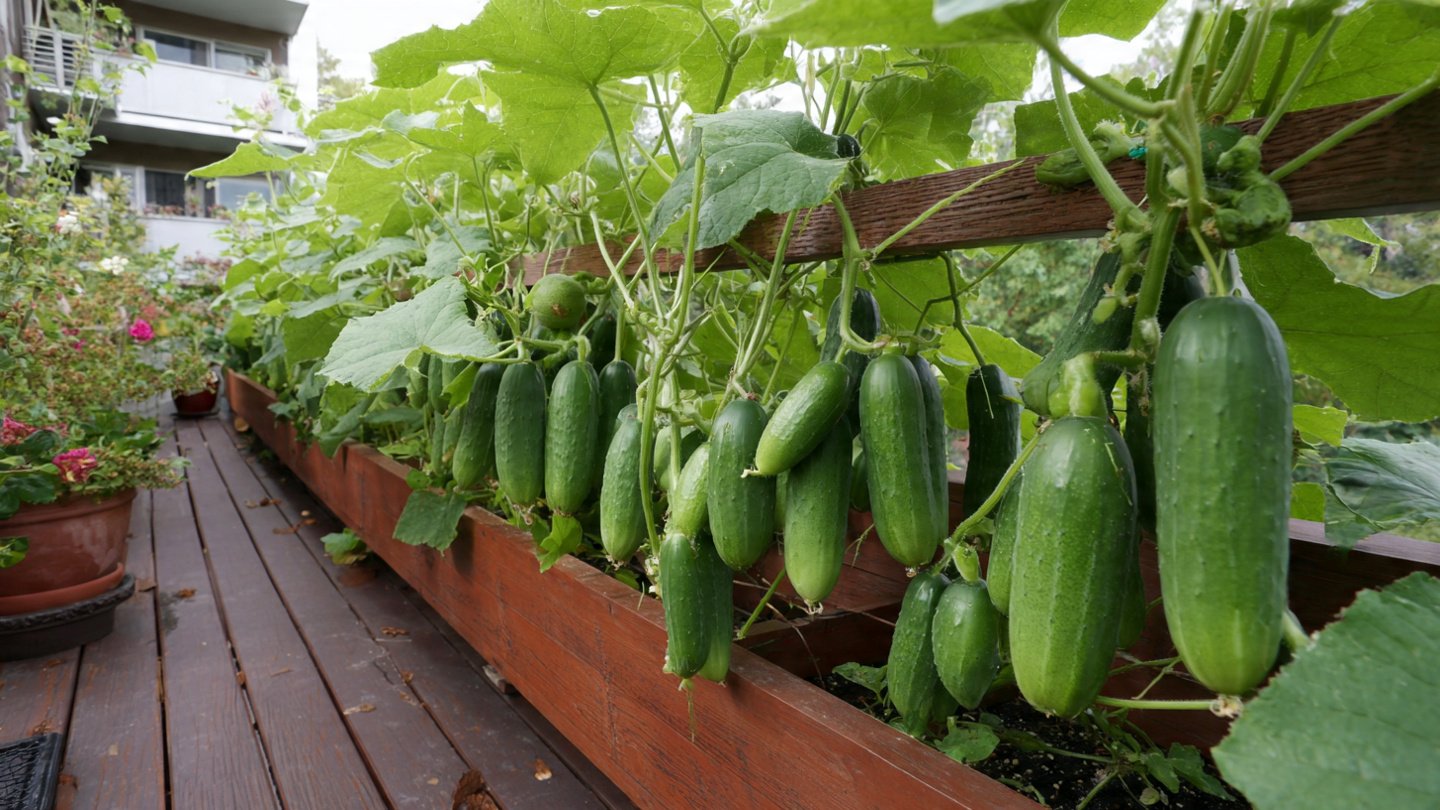
Urban gardening is becoming increasingly popular as city dwellers look for ways to grow their own food despite limited space. Rooftops, balconies, and small patios can now become productive gardens with creative solutions. One of the easiest and most space-efficient methods is growing cucumbers in recycled bottles. This method requires minimal space, is eco-friendly, and can produce fresh, crunchy cucumbers all season long. If you’ve ever thought that urban gardening isn’t for you because you don’t have a yard, this guide will show you how bottle-grown cucumbers can transform your rooftop into a thriving green oasis.
Why Grow Cucumbers in Bottles?
Cucumbers are fast-growing, high-yield plants that thrive in warm, sunny conditions. While they are traditionally grown in soil beds, container gardening offers several advantages:
- Space Efficiency: Bottle-grown cucumbers can be stacked or hung, making them ideal for rooftops and small patios.
- Water Conservation: Self-contained bottles reduce water wastage and allow for consistent moisture.
- Eco-Friendly: Using recycled plastic bottles gives waste a second life.
- Pest Control: Containers limit exposure to soil-borne diseases and pests.
- Portability: Bottles can be moved to follow sunlight or protect plants during harsh weather.
By growing cucumbers in bottles, you can enjoy fresh, homegrown produce without needing a traditional garden.
Choosing the Right Cucumbers
Cucumbers come in several varieties, and selecting the right type for container growth is essential:
- Bush Varieties: Compact and ideal for small containers. Examples include ‘Bush Champion’ and ‘Patio Snacker.’
- Vining Varieties: Require trellises or support, but produce high yields. Examples include ‘Marketmore 76’ and ‘Spacemaster.’
- Pickling Cucumbers: Smaller fruits, great for jars and pickles.
- Slicing Cucumbers: Longer fruits, perfect for fresh salads.
For rooftop bottles, bush varieties are easier to manage and still provide a continuous harvest. However, if you have a trellis system, vining varieties can also thrive in vertical bottle gardens.
Preparing Bottles for Planting
Recycled plastic bottles are ideal for growing cucumbers. Here’s how to prepare them:
- Choose Bottles: Use 2-liter soda bottles or similar containers. Clean them thoroughly to remove labels and residue.
- Cut for Planting: Cut the top of the bottle to create a wide opening for soil and seedlings. Leave enough height for root growth.
- Drainage Holes: Poke several small holes at the bottom of the bottle for drainage. This prevents waterlogging and root rot.
- Optional Self-Watering Setup: You can insert a wick from a water reservoir at the bottom to create a self-watering bottle system.
Tip: Using clear bottles can help you monitor root growth and soil moisture, but they may also allow algae growth. Consider wrapping bottles in opaque paper or cloth if this occurs.
Choosing the Right Soil
Cucumbers need fertile, well-draining soil to grow successfully in bottles.
- Potting Mix: Use a high-quality potting mix with organic matter.
- Nutrients: Mix compost or slow-release organic fertilizer to provide essential nutrients.
- Soil Depth: Fill the bottle at least 8–10 inches deep for bush varieties; deeper for vining types.
Avoid using garden soil directly in bottles, as it can compact and limit root growth.
Planting Cucumbers in Bottles
You can grow cucumbers from seeds or seedlings. Both methods work well in bottles:
- Seeds:
- Sow 2–3 seeds per bottle, about 1 inch deep.
- Keep the soil moist until germination (usually 5–10 days).
- Once seedlings reach 2–3 inches, thin to the strongest plant.
- Seedlings:
- Transplant small cucumber seedlings into prepared bottles.
- Water immediately and keep in partial sunlight for a few days to reduce transplant shock.
Tip: Label each bottle with the variety planted for easy tracking.
Providing Support for Vining Cucumbers
Vining cucumber varieties will require vertical support for proper growth in bottles:
- Trellis: Insert a small trellis or stake into the bottle for the vine to climb.
- String Support: Hang strong strings from a rooftop railing and tie vines gently.
- Netting: Use netting to guide vines upward and prevent them from sprawling on the floor.
Vertical growth maximizes space on a rooftop and ensures better air circulation, reducing the risk of fungal diseases.
Watering and Nutrient Management
Cucumbers have high water needs, especially in containers. Bottle gardens make watering easier and more efficient:
- Consistent Moisture: Keep the soil evenly moist but not soggy. Water daily during hot weather.
- Fertilization: Feed with a balanced liquid fertilizer every 2–3 weeks. Compost tea works well for organic gardens.
- Self-Watering Option: If using self-watering bottles, refill the reservoir as needed, ensuring roots have access to water without oversaturation.
Monitoring soil moisture regularly is key to preventing stress and ensuring healthy cucumber growth.
Sunlight and Rooftop Positioning
Cucumbers need full sun for at least 6–8 hours daily. On a rooftop:
- Place bottles where they will receive maximum sunlight throughout the day.
- Rotate bottles occasionally to ensure even growth.
- Consider using reflective surfaces or white walls to increase sunlight exposure.
For rooftop gardens in extremely hot regions, provide partial afternoon shade to prevent leaf scorching.
Controlling Pests and Diseases
Rooftop bottle gardens reduce some pests, but cucumber plants can still attract common garden pests:
- Aphids and Whiteflies: Spray with neem oil or a mild soap solution.
- Powdery Mildew: Ensure proper spacing and airflow between bottles. Avoid overhead watering on leaves.
- Cucumber Beetles: Handpick or use row covers until the plant establishes.
Regular inspection is important to detect early infestations and prevent damage to your plants.
Harvesting Cucumbers
Cucumbers can be harvested in as little as 50–70 days after sowing, depending on the variety.
- Pickling Cucumbers: Harvest when 3–5 inches long.
- Slicing Cucumbers: Harvest when 6–8 inches long.
- Frequency: Regular harvesting encourages continuous fruit production.
- Technique: Use scissors or gently twist the cucumber from the vine to avoid damaging the plant.
Bottle-grown cucumbers can produce multiple harvests throughout the growing season, ensuring a steady supply of fresh produce for your kitchen.
Benefits of Bottle Gardening
Growing cucumbers in bottles offers several advantages for urban gardeners:
- Space Efficiency: Perfect for rooftops, balconies, and patios.
- Sustainability: Recycles plastic bottles and reduces the need for large plots of land.
- Ease of Maintenance: Containers make watering, pruning, and harvesting manageable.
- High Yield: Proper care can yield multiple cucumbers per plant throughout the season.
- Fresh Produce: Enjoy chemical-free, freshly harvested cucumbers at your convenience.
Additionally, bottle gardens are visually appealing, adding greenery and freshness to urban spaces while promoting sustainable gardening practices.
Tips for Successful Rooftop Cucumber Gardens
- Use Lightweight Bottles: Easier to move and reduce rooftop load.
- Wind Protection: Rooftops can be windy; use trellises and windbreaks to prevent damage.
- Regular Monitoring: Inspect plants daily for pests, disease, and water needs.
- Companion Planting: Plant basil or marigold in nearby bottles to repel pests naturally.
- Vertical Arrangement: Stack bottles or hang them to maximize space and sunlight exposure.
With a little creativity and attention, even small rooftop spaces can become highly productive cucumber gardens.
Conclusion
No yard? No problem! Bottle-grown cucumbers are an innovative, practical, and sustainable solution for urban gardening. By using recycled bottles, nutrient-rich soil, and proper watering techniques, you can enjoy fresh, crunchy cucumbers all season long. Whether you are a beginner or an experienced gardener, rooftop bottle gardening offers the satisfaction of growing your own food, conserving water, and creating a green oasis in the city.
From selecting the right varieties to providing support for vines, monitoring moisture, and harvesting regularly, every step contributes to a thriving container garden. With patience, care, and creativity, your rooftop can become a productive and beautiful space filled with healthy cucumber plants. So grab those bottles, prepare your rooftop, and start growing your own fresh harvests today—no yard needed!