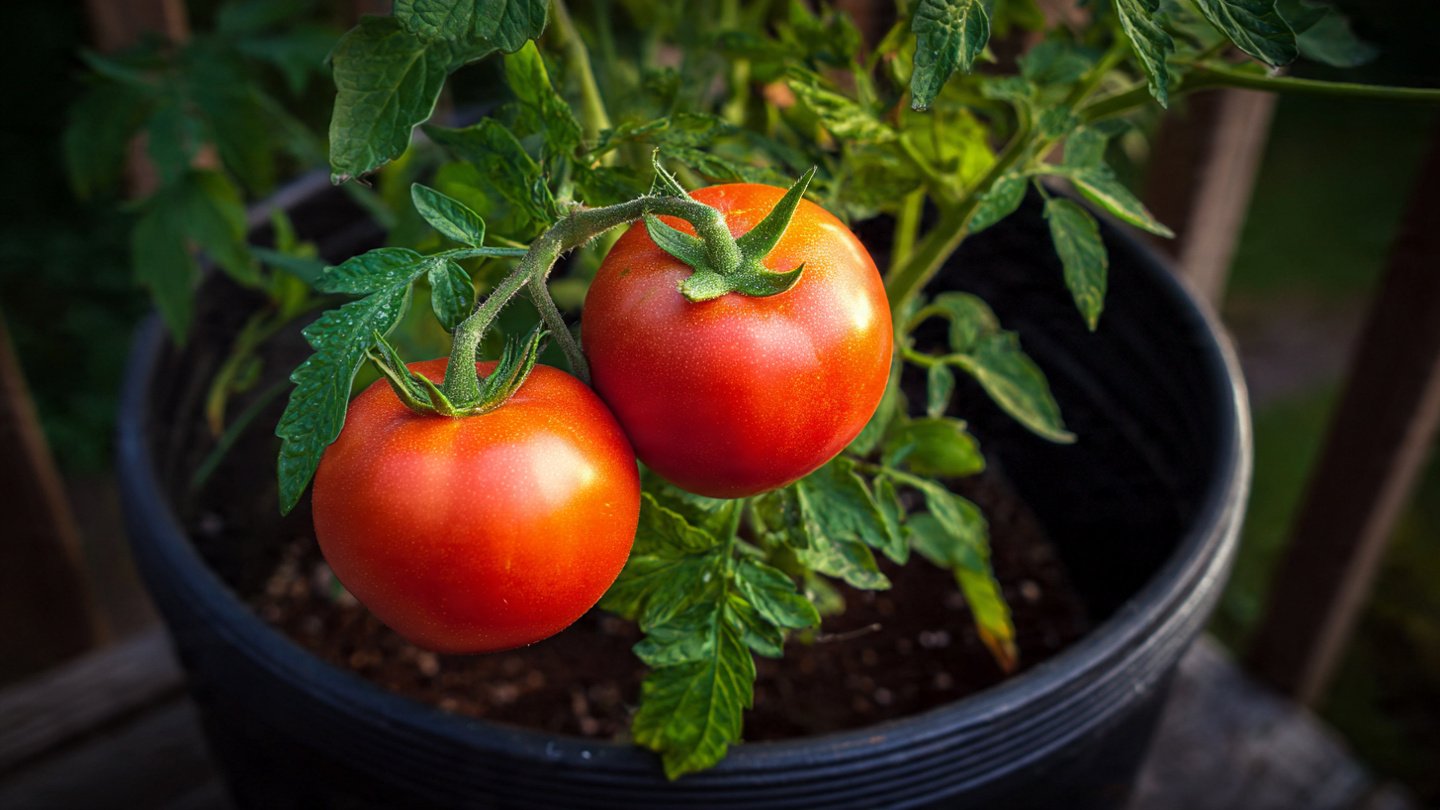
Tomatoes are a favorite among home gardeners, cherished for their vibrant color, juicy texture, and versatility in the kitchen. But what if you don’t have a garden or yard space? The good news is that you don’t need a sprawling garden plot to grow your own tomatoes. With container gardening, anyone—even apartment dwellers or balcony owners—can enjoy fresh, homegrown tomatoes. This guide will walk you through a simple, high-yield method to grow tomatoes in containers, ensuring you can enjoy a bountiful harvest no matter where you live.
Why Container Gardening for Tomatoes Works
Container gardening is an excellent solution for those with limited outdoor space. Growing tomatoes in pots or other containers offers several advantages:
- Mobility: You can move containers to optimize sunlight exposure, protect plants from harsh weather, or rotate crops seasonally.
- Soil Control: Containers allow you to use nutrient-rich potting soil, reducing the risk of soil-borne diseases common in traditional garden beds.
- Space Efficiency: Vertical supports and trellises can maximize yields, making even a small balcony or patio productive.
- Pest Management: Elevating plants reduces exposure to certain pests, and containers can be strategically placed for easier maintenance.
With the right approach, container-grown tomatoes can be just as productive, flavorful, and rewarding as garden-grown plants.
Choosing the Right Tomato Variety
The first step in high-yield container tomato gardening is selecting the appropriate variety. Not all tomatoes thrive in pots, so it’s important to choose compact or determinate types. Here’s what to consider:
- Determinate vs. Indeterminate: Determinate varieties grow to a fixed size and produce fruit all at once, ideal for smaller containers. Indeterminate types continue to grow and produce fruit throughout the season but may require larger containers and stronger support.
- Compact Varieties: Cherry tomatoes, patio tomatoes, and dwarf tomato varieties are well-suited for container gardening due to their manageable size. Popular choices include ‘Tiny Tim,’ ‘Patio Princess,’ ‘Sweet 100,’ and ‘Tumbling Tom.’
- Disease Resistance: Look for varieties resistant to common tomato diseases such as blight, fusarium wilt, and verticillium wilt. This ensures healthier plants and a more reliable harvest.
Choosing the right variety lays the foundation for a successful container tomato garden.
Selecting the Perfect Container
The container you choose is crucial for plant health and yield. Tomatoes are heavy feeders with deep roots, so they need space, drainage, and durability.
- Size: A minimum of 12 inches in diameter and 12–18 inches deep is recommended for determinate varieties. Indeterminate varieties may require containers 18–24 inches deep.
- Material: Plastic, ceramic, and fabric grow bags all work well. Plastic retains moisture longer, while fabric bags allow better aeration for roots.
- Drainage: Ensure the container has sufficient drainage holes to prevent waterlogging, which can lead to root rot. Adding a layer of small stones at the bottom can improve drainage further.
Remember, the right container supports healthy root development, which directly impacts fruit production.
Preparing the Ideal Soil Mix
Soil is the foundation of container tomato success. Store-bought garden soil is often too heavy and may not drain well in pots. Instead, use a high-quality potting mix enriched with organic matter. A good container tomato soil mix should include:
- Potting Soil: Provides structure and moisture retention.
- Compost: Supplies essential nutrients and improves soil fertility.
- Perlite or Vermiculite: Enhances aeration and drainage.
- Slow-Release Fertilizer: Supports continuous growth throughout the season.
Mix these components thoroughly before planting to create a nutrient-rich environment that encourages strong roots and abundant fruit.
Planting Tomatoes in Containers
Once your container and soil are ready, it’s time to plant. Follow these simple steps for the best results:
- Seedlings or Seeds: Using young seedlings is faster and more reliable than starting from seed in a container. Choose healthy, vibrant plants with strong stems.
- Plant Deep: Tomatoes develop roots along their buried stems. Bury two-thirds of the plant in the soil, leaving only the top leaves exposed. This encourages a robust root system.
- Spacing: Avoid overcrowding by planting only one tomato per container. Adequate space ensures proper airflow and reduces the risk of disease.
- Watering: Water thoroughly after planting, ensuring the soil is evenly moist. Avoid overwatering, which can suffocate roots and cause rot.
With careful planting, your tomatoes will establish quickly and begin growing vigorously.
Providing Support and Structure
Even compact tomato varieties benefit from support. Staking or using a small trellis keeps plants upright, improves air circulation, and prevents fruit from touching the soil.
- Tomato Cages: Cylindrical cages made of metal or sturdy plastic support branches and allow plants to grow vertically.
- Stakes: Insert a stake into the soil near the plant and tie the main stem loosely with garden ties or soft cloth strips.
- Trellises: Small trellises can guide indeterminate varieties upward, maximizing space in balconies or patios.
Proper support reduces the risk of broken stems and promotes healthier, more productive plants.
Watering and Feeding
Container tomatoes require consistent watering because pots dry out faster than garden soil. Uneven watering can lead to problems such as blossom-end rot, where the bottom of the tomato turns brown and hard.
- Watering Schedule: Water daily or every other day, depending on weather and container size. The soil should remain moist but not soggy.
- Mulching: Adding a layer of straw or shredded leaves on top of the soil reduces evaporation and keeps the roots cool.
- Fertilization: Feed tomatoes every 2–3 weeks with a liquid fertilizer high in phosphorus and potassium to encourage flowering and fruiting. Organic options like fish emulsion, seaweed extract, or compost tea are excellent choices.
Consistent watering and nutrition are key to high-yield container tomato plants.
Pest and Disease Management
Container tomatoes are not immune to pests and diseases. Regular monitoring and preventive measures can ensure a healthy harvest:
- Common Pests: Aphids, whiteflies, and spider mites can attack foliage. Use insecticidal soap or neem oil as a safe remedy.
- Diseases: Fungal infections such as blight can appear if humidity is high. Ensure proper spacing, airflow, and avoid overhead watering.
- Preventive Care: Remove yellowing leaves and prune lower branches to reduce disease risk. Rotate containers with other plants each season to prevent soil-borne pathogens from building up.
Early detection and intervention keep your plants healthy and productive.
Harvesting for Maximum Flavor
One of the most rewarding aspects of container tomato gardening is harvesting ripe, flavorful fruit. Unlike supermarket tomatoes, homegrown tomatoes have superior taste and aroma.
- Timing: Pick tomatoes when they are fully colored and slightly soft to the touch. For indeterminate varieties, continue harvesting regularly to encourage new growth and fruit set.
- Technique: Use gentle pressure or scissors to avoid damaging stems or other fruits.
- Continuous Care: Regular harvesting promotes additional flowering and fruiting, resulting in a prolonged, high-yield season.
By harvesting at the right time, you can enjoy fresh, juicy tomatoes straight from your balcony or patio.
Maximizing Yield in Small Spaces
Even without a garden, container tomato gardening can be highly productive with a few clever strategies:
- Vertical Growth: Use trellises, cages, or hanging planters to increase plant density without taking up much space.
- Companion Planting: Grow herbs like basil or marigolds alongside tomatoes in the same container to enhance growth and repel pests.
- Succession Planting: Stagger planting times to ensure a continuous harvest throughout the growing season.
- Pruning: Remove suckers (small shoots between main stem and branches) to direct energy toward fruit production.
With these techniques, you can enjoy abundant tomato harvests even in the smallest of living spaces.
Conclusion
Growing tomatoes without a garden is not only possible but can be incredibly rewarding. Container gardening allows anyone to cultivate fresh, flavorful tomatoes, even on a balcony, patio, or small rooftop. By selecting the right variety, providing proper soil and nutrients, supporting plants with cages or trellises, and maintaining consistent care, you can achieve high yields in a limited space.
This simple method of container tomato gardening transforms urban spaces into productive, green havens, offering the satisfaction of growing your own food and the joy of harvesting ripe, juicy tomatoes all season long. With patience, attention, and a little creativity, you can turn even the smallest space into a thriving tomato garden and enjoy homegrown produce that is fresh, healthy, and flavorful.
This article is structured to be informative, actionable, and reader-friendly with roughly 1,200 words, covering all key steps from setup to harvest.