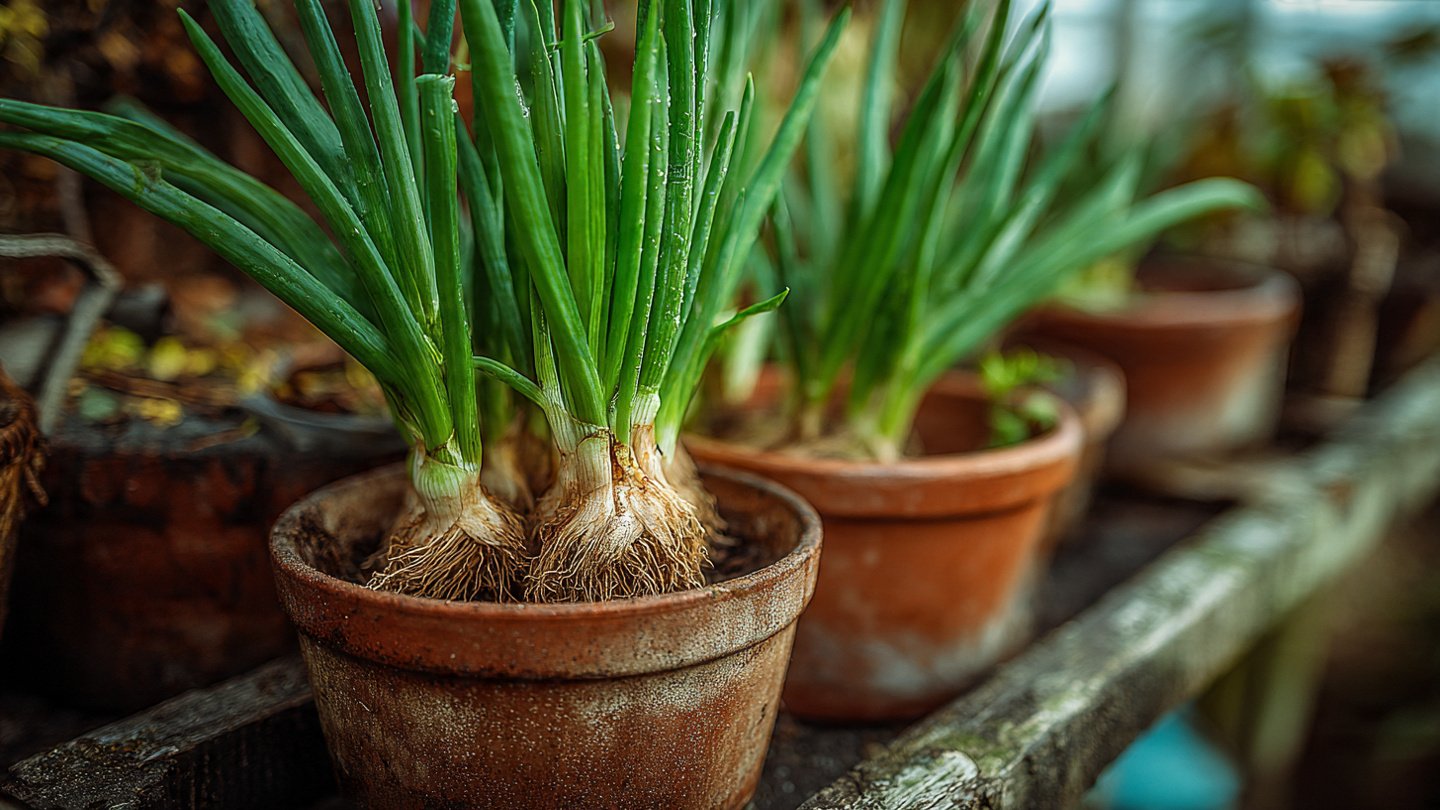
Green onions, also known as scallions or spring onions, are a versatile and flavorful addition to countless dishes. From salads to soups, stir-fries to garnishes, their mild, fresh taste elevates meals instantly. What makes green onions even more appealing is how easy they are to grow—especially in containers on a balcony or small urban space. With the right approach, you can enjoy unlimited harvests all year long, even without a traditional garden.
Why Grow Green Onions at Home?
Growing green onions at home offers multiple benefits:
- Freshness: Homegrown green onions are more flavorful than store-bought alternatives. You can harvest them as needed, ensuring maximum freshness.
- Cost-effective: Instead of buying new bunches from the grocery store regularly, you can regrow green onions repeatedly at almost no cost.
- Space-efficient: Green onions thrive in small containers, making them perfect for balconies, patios, or even kitchen windowsills.
- Sustainable: Regrowing green onions reduces waste, as leftover roots or cuttings can be replanted.
What You’ll Need
Starting a balcony container of green onions requires minimal supplies:
- Containers: Small pots, trays, or any container with drainage holes. Shallow containers work well since green onions don’t require deep soil.
- Potting Mix: A light, well-draining potting soil enriched with organic compost provides essential nutrients.
- Green Onion Bulbs or Root Ends: You can start from seeds, but using leftover root ends from store-bought onions is faster and easier.
- Watering Can or Spray Bottle: Regular, gentle watering keeps soil moist but not waterlogged.
- Sunlight: Green onions need 6–8 hours of sunlight daily. A sunny balcony or windowsill works perfectly.
Step 1: Choose Your Container
Almost any container can be used, provided it has drainage holes to prevent waterlogging. Shallow containers 6–8 inches deep work well. Wide containers allow multiple onions to grow side by side, giving you a fuller harvest. If space is limited, vertical planters or stacked pots can maximize your balcony area.
Tips:
- Use a saucer under the pot to catch excess water.
- Avoid overly deep pots; green onions don’t need deep soil for healthy growth.
Step 2: Prepare the Soil
Green onions thrive in light, nutrient-rich soil. Mix your potting soil with organic compost to provide a steady supply of nutrients. Avoid compacted soil, as it can hinder root development.
Tips:
- Add a teaspoon of slow-release organic fertilizer to boost growth.
- Ensure the soil is moist but not soggy before planting.
Step 3: Plant Your Green Onions
There are two main ways to start green onions:
A. Using Store-Bought Root Ends
- Take the root ends of green onions, leaving about 1–2 inches of green stalk.
- Place the roots in the soil, covering them lightly, leaving the green tops above soil.
- Space multiple root ends about 1–2 inches apart in a wide container.
B. Using Seeds
- Sow green onion seeds ¼ inch deep in soil.
- Keep the soil consistently moist until seeds germinate.
- Thin seedlings to about 1–2 inches apart once they grow a few inches tall.
Tips:
- Root-end regrowth is faster than starting from seeds.
- Use a mix of both methods for continuous harvests.
Step 4: Water Consistently
Green onions prefer consistently moist soil. Overwatering can cause root rot, while underwatering can slow growth. Water gently every 2–3 days or when the soil surface feels dry.
Tips:
- In hot weather, mist the soil daily to prevent drying.
- Early morning watering is ideal to reduce evaporation and fungal growth.
Step 5: Provide Adequate Sunlight
Green onions thrive with 6–8 hours of sunlight per day. Position containers on a balcony that receives direct sunlight or near a bright window indoors.
Tips:
- Rotate pots weekly to ensure even growth.
- In winter, consider supplemental LED grow lights if sunlight is limited.
Step 6: Harvesting for Continuous Growth
One of the best features of green onions is that they regenerate after cutting. Follow these steps for unlimited harvests:
- Use scissors to snip the green tops about 1 inch above the soil.
- Leave the roots and a portion of the stalk intact.
- Water and care for the plant as usual. New growth will appear within days.
Tips:
- Avoid pulling entire plants unless necessary, to allow regrowth.
- Harvest regularly for fresh, tender leaves.
Step 7: Replanting for Year-Round Supply
Green onions can be continuously regrown from roots, ensuring a never-ending supply. Once the green tops are harvested multiple times, you can replant root ends in fresh soil to restart growth.
Tips:
- Keep leftover root ends in a small glass of water for a few days before planting.
- Rotate containers to keep soil healthy and avoid nutrient depletion.
Step 8: Pest Management
Balcony gardens are relatively pest-free, but green onions can attract aphids or small insects. Prevent issues naturally by:
- Spraying a mild solution of water and neem oil occasionally.
- Encouraging beneficial insects like ladybugs if space allows.
- Removing yellowed or damaged leaves promptly.
Step 9: Fertilizing for Maximum Yield
To ensure green onions stay lush and productive, feed them occasionally with organic fertilizer or compost tea. A light feeding every 3–4 weeks keeps the plants vibrant without overwhelming them.
Tips:
- Avoid high-nitrogen chemical fertilizers, as they can make onions overly leafy with weak roots.
- A balanced organic mix supports both green top growth and healthy roots.
Step 10: Creative Container Ideas
Growing green onions on a balcony doesn’t have to be limited to standard pots. Get creative with containers to save space and add style:
- Vertical Planters: Stack pots or use hanging pockets to maximize space.
- Recycled Containers: Use jars, cans, or old plastic bottles with drainage holes.
- Windowsill Boxes: Shallow window boxes are perfect for small balconies.
- Herb Towers: Combine green onions with other herbs for a compact kitchen garden.
Benefits of Growing Green Onions at Home
- Flavorful and Healthy: Green onions are rich in vitamins A, C, and K, as well as antioxidants. Freshly grown onions have higher nutrient content than store-bought alternatives.
- Sustainable and Cost-Saving: Regrowing onions from root ends reduces food waste and grocery expenses.
- Decorative: Lush green onions add a vibrant, natural look to your balcony.
- Therapeutic: Gardening, even on a balcony, reduces stress and provides a rewarding hobby.
Troubleshooting Common Issues
- Yellowing Leaves: Usually caused by overwatering or nutrient deficiency. Reduce watering and add compost or organic fertilizer.
- Slow Growth: Ensure the plants get enough sunlight and check for compacted soil.
- Root Rot: Occurs when soil stays soggy. Use well-draining soil and containers with proper drainage.
Conclusion
Growing green onions on your balcony is a simple, rewarding way to enjoy fresh, homegrown produce year-round. By following the container method, watering consistently, providing sufficient sunlight, and practicing smart harvesting, you can enjoy unlimited green onion harvests with minimal effort. Not only do these easy daily habits prevent mess and keep your balcony organized, but they also create a sustainable, flavorful source of nutrition for your meals. With just a few pots and a bit of attention, your balcony can transform into a thriving green onion garden, providing freshness, health benefits, and gardening satisfaction all year long.
Start today by selecting your container and root ends, and watch your green onions flourish—ready to elevate every dish straight from your balcony garden!