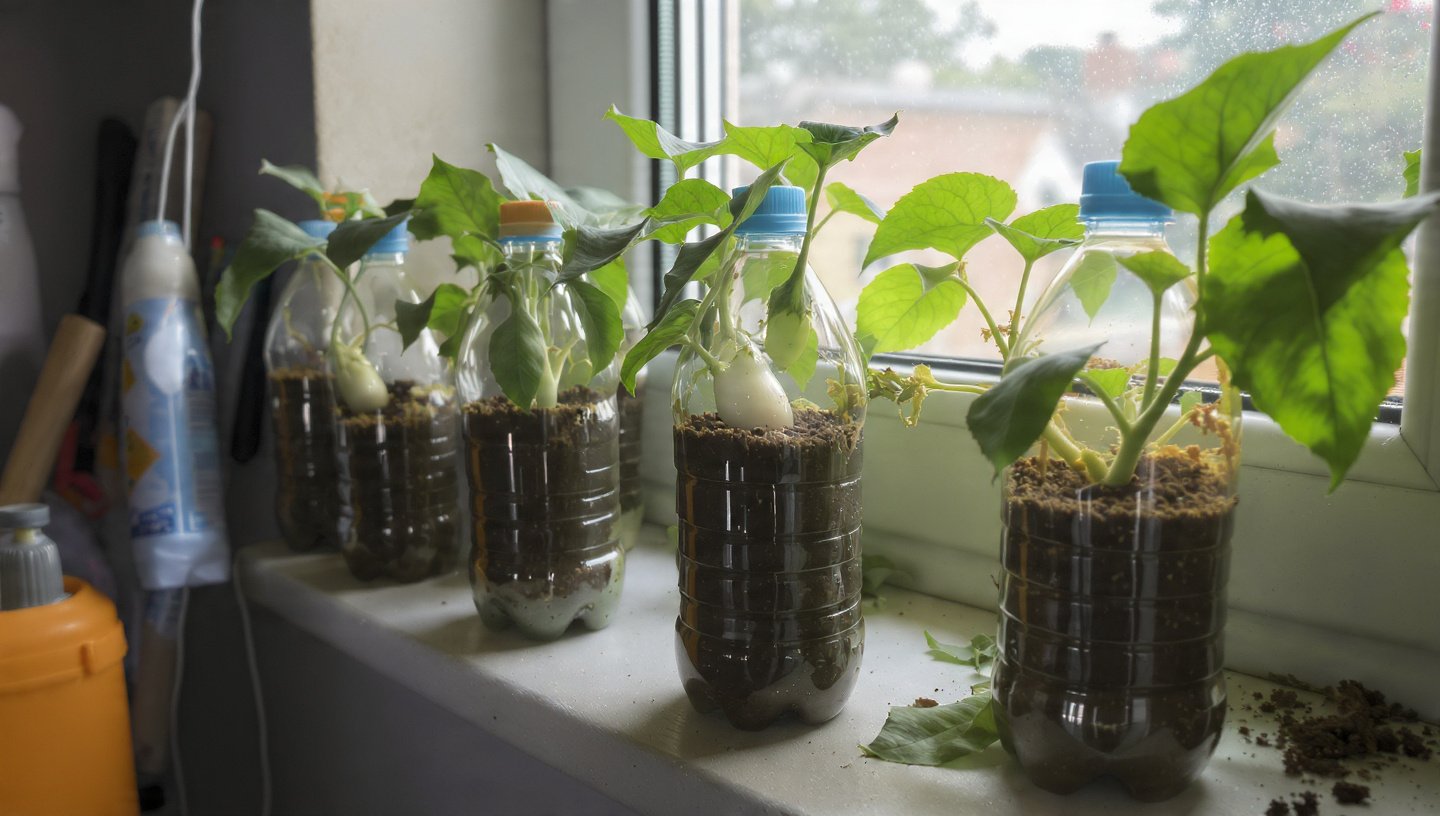
In an age of fast consumption, plastic waste is one of the biggest environmental challenges we face. Every day, countless plastic bottles are discarded, ending up in landfills or polluting our streets and waterways. But what if I told you that these same bottles could be transformed into practical, eco-friendly planters? Not only does this approach help reduce waste, but it also allows anyone to grow fresh, homegrown vegetables—even in limited spaces. One of my favorite successes has been growing eggplants at home using old plastic bottles. Here’s how I did it and why you should consider doing the same.
Why Use Plastic Bottles for Gardening?
Plastic bottles are often overlooked as simple trash, but they have several characteristics that make them perfect for small-scale gardening:
- Durability: Unlike paper pots or other biodegradable options, plastic bottles can last for years, making them reusable for multiple planting seasons.
- Availability: Most households have a constant supply of used plastic bottles, making this method cost-effective.
- Mobility: Bottles are lightweight and easy to move, which is perfect if you want to rearrange plants to catch sunlight or bring them indoors during harsh weather.
- Space Efficiency: Vertical gardening becomes possible when bottles are stacked or hung, ideal for apartments or homes with limited outdoor space.
- Control Over Soil and Watering: Planting in bottles allows precise control over soil quality, drainage, and watering, reducing the risk of overwatering or soil depletion.
Using plastic bottles is not just a practical solution—it’s also a sustainable one. By repurposing bottles, you reduce waste and take part in a creative, environmentally friendly gardening approach.
Selecting the Right Plastic Bottles
Not all plastic bottles are equal when it comes to planting. For growing eggplants, I recommend:
- 2-liter soda bottles: These provide enough space for roots to grow while still being manageable to handle.
- Transparent bottles: If you prefer, you can use colored bottles, but transparent ones allow you to see soil moisture levels.
- Bottles with sturdy construction: Avoid thin, flimsy bottles that may collapse under the weight of soil and water.
Once you have the bottles, wash them thoroughly with water and a little soap to remove any residue. This prevents contamination that could harm seedlings.
Preparing Plastic Bottles for Planting
The first step in transforming a plastic bottle into a planter is cutting and preparing it:
- Cut an Opening: I cut a vertical section from the side of the bottle, large enough to plant the seedling and work comfortably with the soil. Some people prefer cutting the top off entirely to make a standard open pot.
- Drainage Holes: Eggplants, like many vegetables, do not like waterlogged soil. I used a small knife to poke several holes in the bottom of the bottle to allow excess water to drain.
- Optional Hanging Setup: If you want to save space, you can make two holes near the bottle’s top, thread a strong rope, and hang it vertically. Hanging bottles create a mini vertical garden that looks impressive and saves floor space.
- Adding a Base Layer: Before adding soil, I placed small pebbles or broken pieces of ceramic at the bottom to improve drainage and prevent roots from sitting in water.
With these simple modifications, your plastic bottle is ready to become a functional eggplant planter.
Choosing the Right Soil and Seeds
Eggplants are relatively easy to grow but thrive best in nutrient-rich soil. I used a mixture of:
- Garden soil or potting mix
- Compost or organic manure
- Perlite or sand for aeration
This mixture ensures the roots receive nutrients while allowing proper water drainage.
For seeds, choose a variety that suits your climate and space. I opted for a dwarf eggplant variety because it grows well in containers and produces a substantial yield despite limited space. Seedlings should be started indoors in a small tray or directly in the bottle if your climate is warm enough.
Planting and Care Tips
Planting eggplants in plastic bottles is straightforward, but proper care ensures healthy growth and better yields. Here’s my step-by-step approach:
- Planting Seeds or Seedlings: If using seeds, plant 2–3 seeds in the bottle’s soil and cover lightly. For seedlings, dig a small hole and gently place the plant, covering the roots with soil.
- Watering: Eggplants need consistent moisture, but overwatering can lead to root rot. I water my bottles once every two days, adjusting based on soil dryness. The transparent bottles help me monitor soil moisture.
- Sunlight: Eggplants require at least 6 hours of direct sunlight daily. I positioned my bottles near the balcony railing where sunlight is consistent. For indoor setups, place bottles near a south-facing window or use grow lights.
- Fertilizing: Container plants benefit from regular feeding. I used liquid organic fertilizer every two weeks, which encouraged growth and enhanced fruit production.
- Pruning: Eggplants benefit from light pruning. I remove small or unhealthy leaves and pinch off the tips once plants reach a certain height. This encourages stronger branches and larger fruits.
- Support: As eggplants grow, they can become top-heavy. I tied small sticks or stakes next to the plant to provide support and prevent bending or breakage.
The Advantages of Bottle Gardening for Eggplants
Growing eggplants in bottles has several advantages:
- Pest Control: Elevated or hanging bottles reduce exposure to ground-dwelling pests like slugs or snails.
- Microclimate Management: Plastic bottles retain warmth, which can be particularly useful in cooler climates.
- Easy Harvesting: The compact size makes it simple to check fruit ripeness and pick them without bending or reaching far.
- Educational Opportunity: This method is great for teaching children about recycling, sustainability, and gardening in small spaces.
Over the months, I was amazed at how much produce I could harvest from just a few bottles. Each plant produced multiple medium-sized eggplants, enough for several meals. The freshness and taste were incomparable to store-bought vegetables.
Troubleshooting Common Challenges
Even with careful planning, container-grown eggplants can encounter some issues:
- Yellowing Leaves: Often a sign of overwatering or nutrient deficiency. I addressed this by adjusting watering frequency and adding compost.
- Poor Fruit Set: This may occur if plants are stressed or not receiving enough sunlight. Moving bottles to sunnier spots solved the problem for me.
- Root Bound Plants: If plants outgrow their bottles, I gently transplant them to a larger container or bottle to give roots more space.
Most challenges are easy to manage once you monitor the plants closely and adapt your care routine.
Environmental Benefits
Beyond personal benefits, growing eggplants in plastic bottles contributes positively to the environment:
- Reducing Plastic Waste: By repurposing bottles, fewer plastics end up in landfills or waterways.
- Lower Carbon Footprint: Growing vegetables at home reduces the need for transportation and packaging associated with store-bought produce.
- Promoting Sustainability: Creative gardening encourages others to explore eco-friendly practices in their homes.
This method is a small but meaningful step toward a greener lifestyle.
Conclusion
Repurposing old plastic bottles for gardening is more than just a clever DIY project—it’s a practical solution for sustainable living. Through my experience, I discovered that even small spaces can yield fresh, delicious eggplants with minimal investment. This approach not only reduces waste but also brings the joy of homegrown vegetables to anyone, regardless of space or resources.
The next time you’re about to throw away a plastic bottle, consider giving it a second life as a planter. With a little creativity, patience, and care, these humble bottles can transform into thriving mini-gardens, offering both nourishment and the satisfaction of contributing to a cleaner, greener planet.
Start small, enjoy the process, and soon, you’ll have your own vibrant eggplant harvest, right from bottles you once considered trash. Your home, your table, and the planet will thank you.