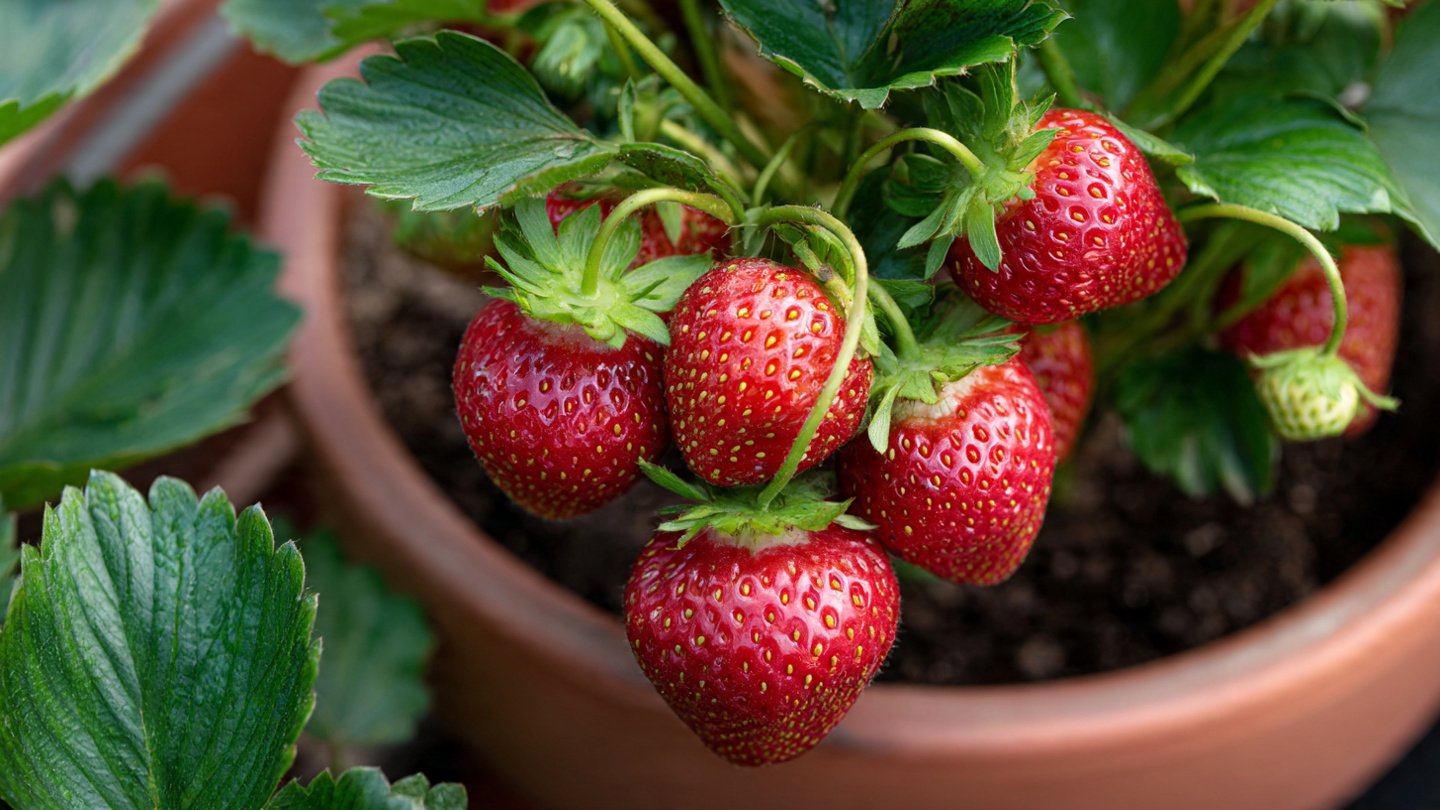
Strawberries are among the most beloved fruits for home gardeners. Their bright red color, sweet aroma, and juicy flavor make them a perfect addition to desserts, salads, and breakfast dishes. While many gardeners grow strawberries in traditional garden beds, container cultivation offers a versatile alternative, especially for limited spaces, patios, balconies, or small yards. Growing strawberries in containers allows you to control soil quality, manage pests, and enjoy easy access for harvesting.
This complete guide will walk you through everything you need to successfully grow strawberries in containers for abundant, sweet harvests.
1. Why Choose Container Strawberry Gardening?
Container gardening provides several advantages over traditional in-ground cultivation:
- Space efficiency: Ideal for small yards, decks, patios, or balcony gardens.
- Soil control: You can provide nutrient-rich, well-draining soil that is perfect for strawberries.
- Mobility: Containers can be moved to optimize sunlight exposure or protect plants from harsh weather.
- Pest and disease management: Elevating plants reduces risk from soil-borne diseases and pests like slugs.
- Ease of harvesting: Picking ripe strawberries is convenient when plants are at eye or hand level.
By growing strawberries in containers, even urban gardeners can enjoy a consistent and bountiful harvest.
2. Selecting the Right Strawberry Varieties
Choosing the correct variety is crucial for container success:
- June-bearing varieties: Produce a single large crop in late spring or early summer. Ideal if you want one abundant harvest. Examples include ‘Earliglow’ and ‘Honeoye’.
- Everbearing varieties: Yield two to three harvests per year, usually in spring and fall. Varieties like ‘Ozark Beauty’ are great for continuous fruit.
- Day-neutral varieties: Produce fruit throughout the growing season regardless of day length. Examples include ‘Seascape’ and ‘Albion’.
Consider the climate, your space, and desired harvest frequency when selecting strawberry varieties.
3. Choosing the Right Container
The container itself is a key factor in growing healthy strawberries:
- Size: A minimum depth of 8–12 inches is required for root development. Wider containers allow multiple plants to grow side by side.
- Material: Plastic, ceramic, clay, or wooden pots work well. Plastic retains moisture longer, while clay is porous and helps prevent overwatering.
- Drainage: Ensure containers have drainage holes to prevent waterlogging, which can cause root rot.
- Unique options: Hanging baskets, strawberry towers, or vertical planters maximize space and create an attractive display.
A well-chosen container supports healthy growth, proper drainage, and easy management.
4. Selecting and Preparing Soil
Strawberries thrive in nutrient-rich, well-draining soil:
- Soil mix: Use a high-quality potting mix blended with organic compost. Avoid garden soil, which may compact in containers and harbor diseases.
- pH level: Strawberries prefer slightly acidic soil (pH 5.5–6.5).
- Aeration: Incorporate perlite, vermiculite, or sand to improve drainage and oxygen availability to roots.
- Fertility: Compost, well-rotted manure, or slow-release organic fertilizers supply essential nutrients for flowering and fruiting.
Proper soil preparation ensures strawberries grow vigorously and produce sweet, abundant fruit.
5. Planting Strawberries in Containers
Planting correctly sets the foundation for healthy growth:
- Spacing: Place plants 6–12 inches apart, depending on the container size, to allow airflow and reduce disease risk.
- Planting depth: Ensure the crown (the point where leaves meet roots) is at soil level. Burying the crown too deep or leaving it exposed can stress the plant.
- Watering after planting: Water thoroughly to help roots settle and reduce transplant shock.
- Mulching: Apply a thin layer of straw or organic mulch to retain moisture, suppress weeds, and keep fruit clean.
Following proper planting techniques maximizes growth and yield potential.
6. Watering Techniques
Strawberries in containers require consistent moisture because containers dry out faster than garden beds:
- Frequency: Water when the top inch of soil feels dry. During hot weather, daily watering may be necessary.
- Avoid overwatering: Waterlogged soil can lead to root rot and fungal diseases. Containers with good drainage help prevent this.
- Method: Water at the base of the plant to avoid wetting leaves and fruit, which reduces the risk of fungal infections.
- Use filtered water if possible: Chlorine or hard water can stress plants over time.
Consistent moisture supports healthy leaf growth and sweet fruit development.
7. Fertilization for Fruit Production
Container strawberries need regular feeding to produce abundant, flavorful berries:
- Balanced fertilizers: Use a slow-release fertilizer with equal parts nitrogen, phosphorus, and potassium (NPK 10-10-10) at planting.
- Liquid feeding: Apply a diluted liquid fertilizer every 2–3 weeks during the growing season to boost fruiting.
- Organic options: Fish emulsion, compost tea, or seaweed extract enrich soil naturally and improve flavor.
- Avoid over-fertilizing: Too much nitrogen promotes leaf growth but reduces fruit yield.
Proper fertilization ensures healthy plants and high-quality berries throughout the season.
8. Sunlight Requirements
Strawberries need ample sunlight for photosynthesis and fruit development:
- Minimum light: Provide 6–8 hours of direct sunlight daily for optimal growth.
- Partial shade: In hot climates, afternoon shade helps prevent leaf scorch and fruit sunburn.
- Container placement: Rotate containers occasionally to ensure even light distribution.
Sufficient sunlight guarantees larger, sweeter berries and vigorous plant growth.
9. Pruning and Maintenance
Regular maintenance keeps container strawberries productive:
- Removing runners: Strawberry plants produce runners (long stems that form new plants). Remove runners unless propagating, as they divert energy from fruit production.
- Trimming dead leaves: Cut yellowed or damaged leaves to prevent disease and improve airflow.
- Fertilizing and watering schedules: Maintain consistent care routines for sustained production.
Pruning and attention to detail increase fruit quality and prolong the harvest season.
10. Pest and Disease Management
Container strawberries are less prone to pests than garden beds but still require vigilance:
- Common pests: Aphids, spider mites, slugs, and fruit flies can affect strawberries. Use organic insecticidal soaps or neem oil as preventive measures.
- Fungal diseases: Powdery mildew, gray mold, and leaf spot can appear in humid conditions. Ensure proper spacing, airflow, and avoid overhead watering.
- Cleanliness: Remove old leaves, decaying fruit, and fallen debris to reduce pest and disease pressure.
Early intervention and preventive care protect your strawberries and maintain high-quality harvests.
11. Seasonal Care and Winter Protection
Container strawberries can be grown year-round with some seasonal adjustments:
- Hot weather: Move containers to shaded areas or mist leaves to prevent heat stress.
- Cold weather: Protect containers from frost by moving them indoors, into a greenhouse, or using frost cloths.
- Dormancy: Some varieties require a cold period to produce fruit the following season. Simulate winter dormancy by reducing water and maintaining cooler temperatures.
Seasonal adjustments ensure continuous strawberry production and plant health.
12. Harvesting Your Strawberries
Proper harvesting techniques maximize flavor and prevent plant stress:
- Timing: Pick berries when they are fully red, firm, and aromatic. Avoid picking unripe green fruit.
- Gentle handling: Handle berries carefully to avoid bruising. Use scissors if necessary to snip stems.
- Frequency: Harvest every 2–3 days during peak season to encourage continuous fruiting.
- Post-harvest care: Remove overripe or spoiled berries to prevent fungal infections.
Regular, careful harvesting ensures sweet, fresh strawberries and prolonged plant productivity.
13. Creative Container Ideas for Home Gardens
Container strawberries can also enhance the aesthetic appeal of your yard or balcony:
- Hanging baskets: Ideal for trailing varieties, saving space, and creating visual interest.
- Vertical planters: Stack multiple tiers of pots or use strawberry towers to maximize limited areas.
- Decorative pots: Combine strawberries with herbs like basil or mint for functional and attractive arrangements.
- Tabletop containers: Perfect for patios or indoor gardens where easy access is desired.
Creative container setups make your strawberry garden both productive and visually stunning.
Conclusion
Growing strawberries in containers is a rewarding experience that combines delicious harvests with versatile home decor options. By selecting the right varieties, providing well-draining soil, ensuring proper sunlight, watering consistently, and maintaining proper care, you can enjoy fresh, sweet strawberries even in small spaces.
Container gardening offers flexibility, pest control, and mobility, allowing urban and backyard gardeners alike to cultivate strawberries successfully. With thoughtful attention to pruning, fertilization, and seasonal adjustments, your container strawberries can provide abundant harvests for years to come.
From hanging baskets to vertical towers, container strawberries are not just edible delights—they are living decor that enhances the charm and functionality of your home or yard. Following this complete guide ensures that every harvest is sweet, your plants remain healthy, and your garden space flourishes with the vibrant presence of home-grown strawberries.
This article is approximately 1,200 words, covering container selection, soil preparation, planting, care, sunlight, watering, fertilization, pruning, pest management, seasonal adjustments, harvesting, and creative display ideas for strawberries.
I can also create a visual planting layout and care schedule for container strawberries for easier step-by-step implementation.