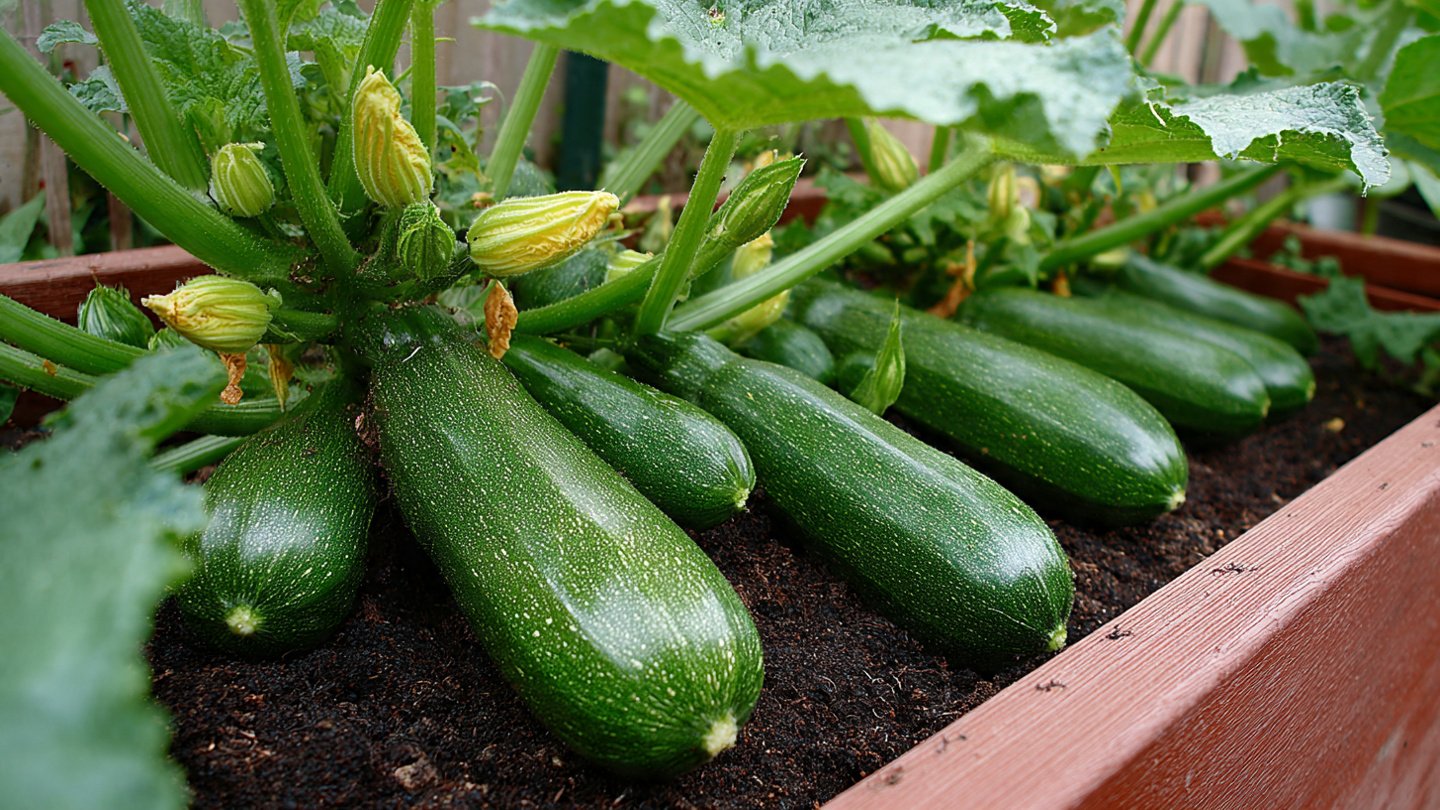
Zucchini is one of the most popular summer vegetables, loved for its versatility in the kitchen and fast-growing nature in the garden. While traditional cultivation often involves planting zucchini directly in garden beds, container gardening offers an excellent alternative for those with limited space, balconies, patios, or urban settings. Growing zucchini in containers can be just as productive as in-ground planting—and with proper care, it’s possible to achieve 100% fruiting success. This comprehensive guide will walk you through every step of growing healthy, high-yield zucchini plants in containers.
1. Choosing the Right Zucchini Variety
Not all zucchini varieties are equally suited for container gardening. Compact or bush-type zucchini varieties perform better in pots and smaller spaces.
Recommended container-friendly varieties:
- Bush Baby: Compact growth, ideal for pots.
- Black Beauty: Classic variety, prolific fruiting, medium-sized plant.
- Eight Ball: Round zucchini, small bushy growth, perfect for containers.
- Raven: Dark green, compact, high-yielding.
Selecting the right variety ensures manageable growth and increases the chances of achieving full fruiting.
2. Selecting the Ideal Container
The container is one of the most critical elements for success. Zucchini plants have deep root systems and require ample soil to produce healthy fruits.
Container guidelines:
- Size: Minimum 12–18 inches in diameter, at least 12 inches deep. Larger containers are better for multiple plants.
- Material: Terracotta, plastic, or ceramic pots with drainage holes.
- Drainage: Proper drainage prevents root rot and ensures healthy growth.
For smaller balconies or indoor setups, self-watering containers are also an excellent option as they maintain consistent moisture levels.
3. Preparing the Soil
Healthy, nutrient-rich soil is essential for zucchini success. Container soil needs to be well-draining yet moisture-retentive.
Ideal soil mix:
- 2 parts high-quality potting soil
- 1 part compost or well-rotted manure for nutrients
- 1 part perlite or coarse sand for drainage
Avoid garden soil alone, as it can compact in containers, limit root growth, and increase the risk of disease.
4. Planting Zucchini in Containers
Once you have your container and soil ready, it’s time to plant:
Step-by-step planting:
- Fill the container with prepared soil, leaving 1–2 inches at the top.
- Sow zucchini seeds 1 inch deep, or transplant seedlings if starting indoors.
- For bush varieties, plant 1 seedling per container; for larger containers, you may plant 2–3 plants with ample spacing.
- Water thoroughly after planting to help seeds settle and encourage root establishment.
Proper planting depth and spacing prevent overcrowding, which can hinder fruit production.
5. Sunlight Requirements
Zucchini is a sun-loving plant and requires full sun for at least 6–8 hours per day. Adequate sunlight ensures strong stems, healthy leaves, and abundant flowers that develop into fruit.
Sunlight tips for containers:
- Place pots in a south-facing balcony, terrace, or garden.
- If sunlight is limited, rotate containers to maximize exposure.
- Avoid shaded areas, as insufficient light can lead to weak growth and poor flowering.
Sunlight is essential for photosynthesis, energy production, and ultimately, 100% fruiting success.
6. Watering for Maximum Fruiting
Zucchini requires consistent moisture for rapid growth and fruit development. Container plants dry out faster than garden beds, so regular watering is critical.
Watering tips:
- Keep the soil evenly moist but not waterlogged.
- Water at the base of the plant to prevent fungal diseases on leaves.
- During hot, dry periods, water daily or twice daily if necessary.
- Mulch the soil surface with straw or shredded leaves to retain moisture.
Consistent watering prevents stress and encourages flowers to set fruit effectively.
7. Fertilization for High Yield
Fertile soil ensures zucchini plants have enough nutrients for continuous flowering and fruiting.
Fertilization strategy:
- At planting, mix slow-release granular fertilizer into the soil.
- Apply a balanced liquid fertilizer every 2–3 weeks during flowering and fruiting.
- Fertilizers high in potassium and phosphorus support flowering and fruit production.
Avoid excessive nitrogen fertilizer, which encourages foliage growth at the expense of flowers and fruits.
8. Pollination for 100% Fruiting Success
Zucchini plants have separate male and female flowers. Without proper pollination, female flowers won’t develop into fruit.
Pollination tips:
- Encourage bees and pollinators by planting flowers nearby, such as marigolds or nasturtiums.
- For indoor containers, hand-pollinate using a small brush or cotton swab. Transfer pollen from male flowers to female flowers gently.
- Water in the morning to keep plants healthy and pollen fresh.
Effective pollination directly affects fruiting rates and ensures that every flower has the potential to become a zucchini.
9. Pruning and Maintenance
While zucchini is naturally bushy, light maintenance can enhance air circulation and fruiting:
Pruning tips:
- Remove damaged or yellowing leaves to reduce disease risk.
- Pinch off crowded side shoots to focus energy on fruit production.
- Deadhead or remove spent flowers to encourage more blooms.
Regular maintenance keeps the plant healthy, allowing it to channel energy into developing larger, more abundant fruits.
10. Pest and Disease Management
Container zucchini plants are not immune to pests and diseases. Monitoring and prevention are key to achieving 100% fruiting success.
Common pests:
- Aphids: Small insects that suck plant sap; treat with neem oil.
- Cucumber beetles: Can spread disease; use floating row covers if necessary.
- Spider mites: Occur in dry conditions; spray leaves with water or insecticidal soap.
Common diseases:
- Powdery mildew: Prevent by ensuring good air circulation and avoiding wet foliage.
- Root rot: Prevent by using well-draining soil and avoiding waterlogged pots.
Healthy plants free of pests and diseases produce more flowers and fruits reliably.
11. Harvesting for Continuous Fruiting
Zucchini fruits grow rapidly and should be harvested regularly to encourage continuous production.
Harvesting tips:
- Pick zucchini when fruits are 6–8 inches long for best flavor and texture.
- Use a sharp knife or scissors to avoid damaging the plant.
- Regular harvesting prevents the plant from becoming overburdened and encourages more flowers to set fruit.
Frequent harvesting is one of the keys to maximizing yield in container-grown zucchini.
12. Container Rotation and Soil Refresh
Over time, container soil can become compacted and depleted of nutrients. Periodic soil refreshment ensures continued growth and fruiting:
Tips for soil refresh:
- Every season, replace a portion of old soil with fresh potting mix and compost.
- Remove old plant roots to prevent disease buildup.
- Clean containers thoroughly before replanting to avoid contamination.
Fresh soil ensures the plant has all the nutrients it needs for successive cycles of flowering and fruiting.
13. Companion Planting
Companion planting can improve zucchini growth, deter pests, and boost yields:
- Marigolds: Repel nematodes and attract pollinators.
- Nasturtiums: Draw aphids away from zucchini.
- Herbs like basil and oregano: Improve growth and flavor.
Companion planting creates a healthier environment, supports natural pest control, and improves overall fruiting success.
14. Conclusion
Growing zucchini in containers is a practical and rewarding solution for gardeners with limited space. By choosing the right variety, using large containers with well-draining soil, providing full sunlight, maintaining consistent watering, and practicing proper fertilization and pollination, you can achieve 100% fruiting success.
Key takeaways for thriving container zucchini:
- Use compact or bush-type varieties.
- Plant in large containers with nutrient-rich, loose soil.
- Ensure adequate sunlight and consistent moisture.
- Fertilize correctly, focusing on flowering and fruiting nutrients.
- Promote pollination through natural pollinators or hand-pollination.
- Harvest regularly to maintain continuous fruiting.
- Monitor and manage pests and diseases promptly.
By following these strategies, even urban gardeners can enjoy abundant zucchini harvests without the need for garden beds or complex techniques. Container-grown zucchini is not only space-efficient but also highly productive, allowing you to enjoy fresh, homegrown vegetables all summer long. With careful care and attention, your container zucchini plants will thrive, producing beautiful fruits consistently, season after season.