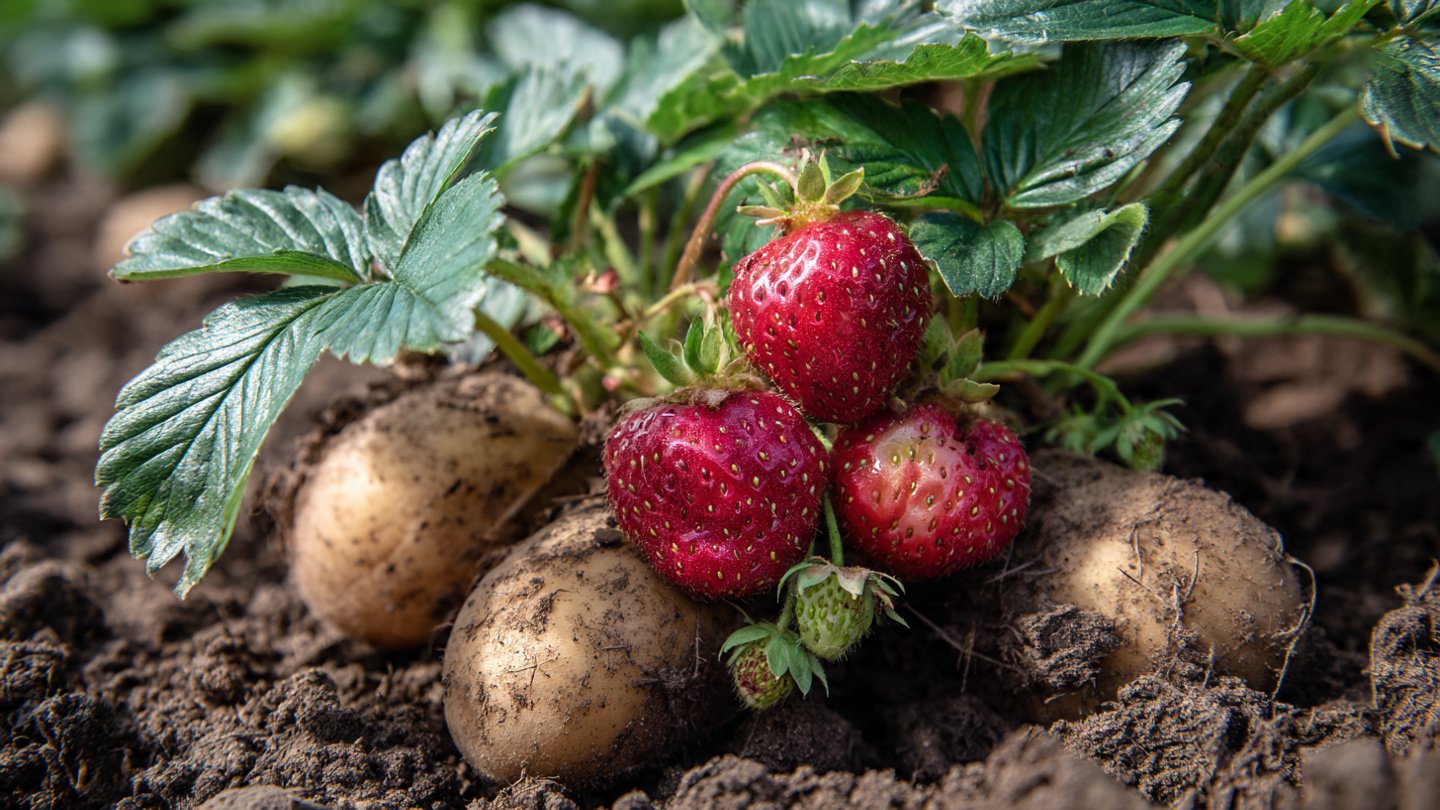
Strawberries are among the most beloved fruits worldwide. Their sweet flavor, vibrant red color, and versatility make them a favorite in desserts, salads, smoothies, and jams. For gardening enthusiasts, growing strawberries at home is rewarding, but propagation can sometimes be tricky. Traditional methods such as runners or seeds often result in uneven success rates, leaving gardeners frustrated.
However, a revolutionary method using potatoes has emerged that promises near 100% success for strawberry propagation. By leveraging the natural synergy between strawberries and potatoes, you can create healthy, vigorous strawberry plants right in your home garden. This guide will walk you through the entire process step by step, ensuring consistent and fruitful results.
Why Use Potatoes for Strawberry Propagation?
At first glance, strawberries and potatoes may seem unrelated, but using potatoes in strawberry propagation offers several benefits:
- Enhanced Root Development: Potatoes provide a moist, nutrient-rich medium that encourages strawberries to form robust roots quickly.
- High Success Rate: Unlike seedlings or runners, this method drastically reduces the risk of plant failure.
- Ease of Use: Potatoes are widely available and require minimal preparation, making this technique ideal for home gardeners.
- Faster Establishment: Strawberry plants propagated with potatoes tend to establish faster in soil, leading to earlier flowering and fruiting.
This simple, innovative approach transforms strawberry propagation into an almost guaranteed success, even for beginner gardeners.
Step 1: Selecting Healthy Strawberry Plants
The success of this method begins with selecting healthy, disease-free strawberry plants:
- Choose vigorous runners: Runners with small green leaves and firm stems are ideal for propagation.
- Avoid weak plants: Yellowing or wilted leaves indicate unhealthy plants that may not root successfully.
- Check for pests: Ensure the plant is free of aphids, mites, or fungal infections.
Using high-quality strawberry material increases the likelihood of a thriving, productive plant.
Step 2: Selecting the Right Potato
Not all potatoes are suitable for this method. Opt for small, firm potatoes that are free from rot and sprouts.
- Size: Choose potatoes about the size of a golf ball to medium-sized, which can support strawberry runners effectively.
- Freshness: Use fresh potatoes rather than old or shriveled ones, as they provide better nutrients for root development.
- Organic potatoes preferred: Avoid treated or chemically coated potatoes to ensure plant health.
Selecting the right potato ensures a strong base for your new strawberry plant.
Step 3: Preparing the Potato for Propagation
Proper preparation of the potato is critical for success:
- Cutting (Optional): For larger potatoes, you can cut them into smaller pieces, each with at least one eye.
- Soaking: Soak the potato in water for a few hours to hydrate it.
- Creating a Hole: Using a knife, make a shallow hole in the potato to insert the strawberry runner.
This preparation ensures the potato can support the strawberry and encourages optimal root growth.
Step 4: Inserting the Strawberry Runner
Once the potato is prepared, it’s time to connect it to the strawberry runner:
- Positioning: Take the tip of the runner and insert it gently into the hole made in the potato.
- Securing: Ensure the runner is in contact with the potato tissue without being forced, which could damage the plant.
- Orientation: Keep the leaves pointing upward while the stem is in contact with the potato for proper growth.
By establishing direct contact between the runner and the potato, the strawberry plant gains nutrients and moisture, leading to faster rooting.
Step 5: Planting the Potato-Strawberry Combination
After inserting the runner, it’s time to plant the potato and strawberry combination:
- Choose a container: Use a pot or small tray filled with well-draining potting soil.
- Planting depth: Bury the potato just below the soil surface, leaving the strawberry leaves above soil.
- Spacing: If propagating multiple plants, maintain adequate spacing to prevent overcrowding.
This setup provides a stable environment for the strawberry to grow while being nourished by the potato.
Step 6: Watering and Moisture Management
Watering plays a key role in successful propagation:
- Keep soil moist: Water gently to maintain consistent moisture but avoid waterlogging.
- Potato hydration: The potato naturally retains moisture, supporting root growth.
- Regular checks: Ensure the soil does not dry out, especially during hot or dry weather.
Proper moisture management ensures the runner develops strong roots and a healthy base.
Step 7: Providing Optimal Light and Temperature
Strawberries require adequate light and warmth for growth:
- Sunlight: Place the pot in bright, indirect sunlight for 6–8 hours daily.
- Temperature: Maintain temperatures between 65–75°F (18–24°C) for optimal growth.
- Indoor vs. Outdoor: This method works indoors near sunny windows or outdoors in shaded areas initially, then gradually introduce to full sun.
These conditions encourage vigorous root development and leaf growth, leading to productive plants.
Step 8: Fertilization for Enhanced Growth
After the initial establishment, feeding the plant ensures robust growth:
- Balanced Fertilizer: Use a liquid fertilizer diluted to half strength every 2–3 weeks.
- Compost Tea: Organic alternatives like compost tea provide gentle nutrition.
- Observation: Stop fertilizing if leaves turn yellow or soil appears saturated with nutrients.
Regular fertilization supports healthy foliage and prepares the plant for flowering and fruiting.
Step 9: Transplanting to Larger Pots or Garden Beds
Once roots have developed, typically in 3–4 weeks, the potato-strawberry combination can be moved:
- Transplanting: Gently lift the plant and potato from the original pot.
- Larger Container: Plant in a larger pot or garden bed with rich, well-draining soil.
- Careful handling: Avoid damaging the newly formed roots during transplantation.
Transplanting ensures the plant has enough space to grow into a mature, productive strawberry plant.
Step 10: Regular Maintenance and Care
Maintaining your strawberry plants post-propagation is essential for long-term success:
- Pruning: Trim runners and dead leaves to encourage healthy growth.
- Mulching: Use straw or organic mulch to retain soil moisture and reduce weeds.
- Pest Control: Monitor for aphids, slugs, or fungal infections and treat promptly.
- Consistent Watering: Keep the soil evenly moist, especially during flowering and fruiting.
Proper maintenance ensures your strawberry plants thrive and produce a bountiful harvest.
Step 11: Harvesting Your Strawberries
With this potato propagation method, strawberries develop strong roots and produce fruit earlier:
- Timing: Harvest berries when fully red, fragrant, and firm.
- Method: Pick gently to avoid damaging the plant or other fruits.
- Frequency: Regular harvesting encourages continued flowering and fruiting.
Following these guidelines ensures a continuous supply of fresh, sweet strawberries from your home garden.
Step 12: Benefits of Using Potatoes for Strawberry Propagation
Using potatoes for strawberry propagation offers several unique advantages:
- High Success Rate: Dramatically increases the likelihood of root development.
- Faster Growth: Plants establish quickly and start fruiting sooner.
- Ease of Use: Simple technique suitable for beginners and experienced gardeners.
- Cost-Effective: Requires only readily available potatoes and minimal materials.
This revolutionary method transforms strawberry cultivation into a reliable, efficient, and rewarding process.
Conclusion
Strawberry propagation has traditionally been a challenge, but using potatoes at home has revolutionized the process. By following this step-by-step method—selecting healthy runners, preparing potatoes, inserting runners, maintaining proper moisture, light, and care—you can achieve nearly 100% success in growing strong, productive strawberry plants.
This technique is ideal for home gardeners, balcony growers, and herb enthusiasts seeking a consistent, reliable, and rewarding approach to strawberry cultivation. The combination of strawberries and potatoes not only enhances root development but also speeds up the plant’s establishment, ultimately leading to earlier and more abundant harvests.
Whether you are a beginner or an experienced gardener, this method ensures your strawberries thrive while simplifying the propagation process. Start today with fresh runners, healthy potatoes, and consistent care, and you’ll enjoy sweet, juicy strawberries grown effortlessly in your own home garden.