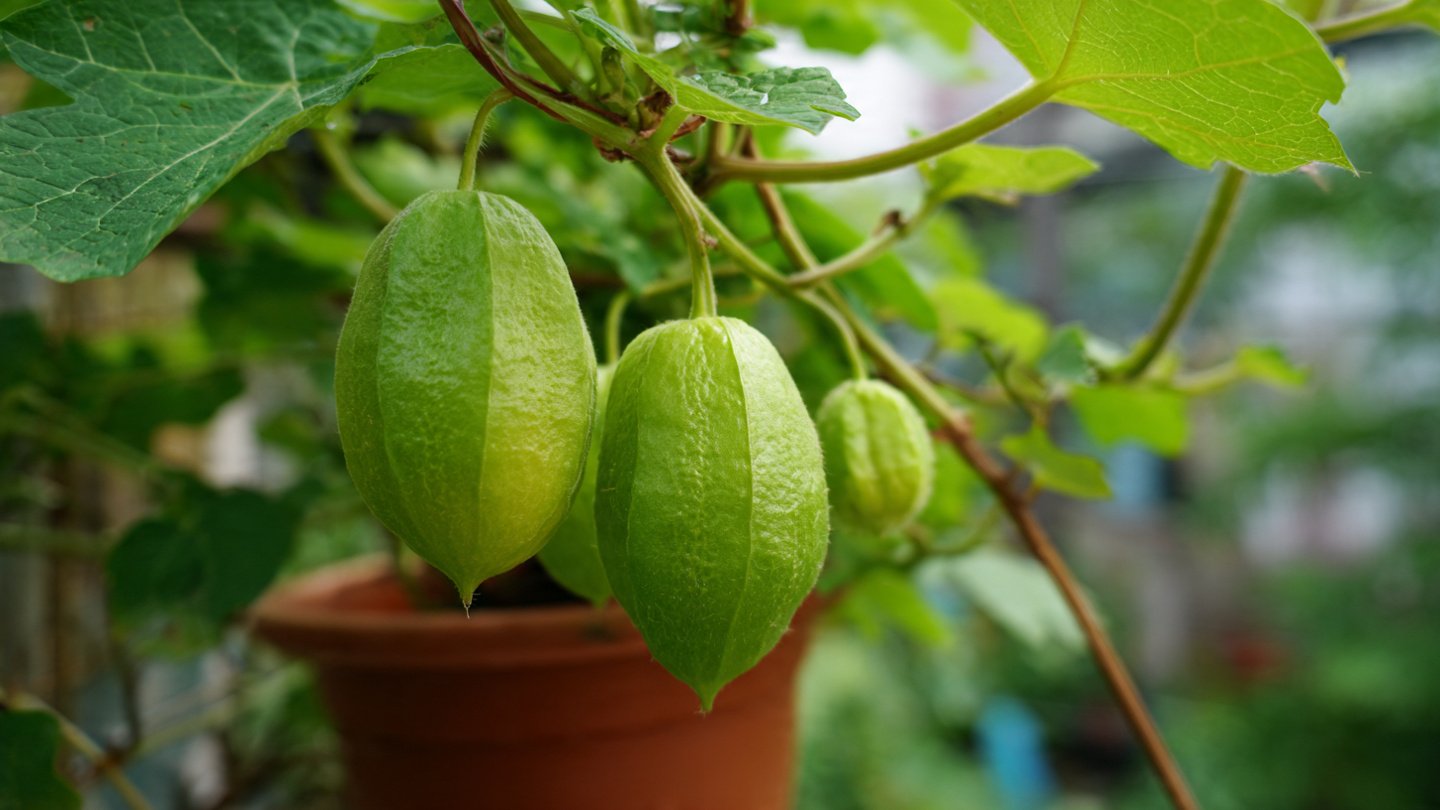
Chayote (Sechium edule), also known as chow chow, vegetable pear, or mirliton, is a fast-growing climbing vegetable that thrives in warm climates. What many gardeners don’t realize is that you don’t need a large garden or farmland to grow it successfully. With the right care, chayote can grow beautifully in a simple paint bucket, making it perfect for balconies, terraces, rooftops, or small backyards.
This guide will walk you through a simple, beginner-friendly container gardening method to grow chayote in a paint bucket—from sprouting to harvest—using minimal space and effort.
Why Grow Chayote in a Paint Bucket?
Growing chayote in a paint bucket has several advantages, especially for home gardeners with limited space.
Benefits of container-grown chayote:
- Requires very little ground space
- Easy to manage soil quality and drainage
- Ideal for terraces, balconies, and patios
- Reduced weed and pest problems
- Highly productive from a single plant
A single healthy chayote vine can produce dozens of fruits over a season when grown properly—even in a container.
Understanding the Chayote Plant
Chayote is a perennial vine in tropical and subtropical regions. It grows rapidly, producing long tendrils that need vertical support. Unlike many vegetables, chayote is grown from the whole fruit, not seeds removed from it.
Key growth traits:
- Loves warmth and sunlight
- Needs strong support for climbing
- Produces continuously once mature
- Can live and fruit for several years in frost-free areas
Choosing the Right Paint Bucket
A used paint bucket works perfectly, as long as it’s prepared correctly.
Bucket requirements:
- Size: 20–25 liters (5–7 gallons) minimum
- Material: Plastic is ideal
- Depth: At least 12–14 inches
Important preparation steps:
- Wash thoroughly to remove paint residue
- Drill 6–8 drainage holes at the bottom and sides
- Elevate the bucket slightly to allow excess water to drain
Good drainage is essential, as chayote roots dislike waterlogged soil.
Best Soil Mix for Chayote in Containers
Healthy soil is the foundation of successful chayote growth.
Ideal soil mix:
- 40% garden soil
- 30% well-rotted compost or vermicompost
- 20% coco peat or river sand
- 10% aged cow dung or organic manure
This mix ensures:
- Good drainage
- Moisture retention
- Rich nutrients for fast vine growth
Fill the bucket leaving 2–3 inches of space at the top for watering.
How to Sprout Chayote for Planting
Chayote seeds are inside the fruit and sprout naturally.
Easy sprouting method:
- Choose a mature, healthy chayote fruit
- Keep it in a dry, shaded place
- Within 2–4 weeks, a green shoot will emerge
Do not cut the fruit. The entire fruit is planted.
Planting Chayote in a Paint Bucket
Step-by-step planting:
- Place the sprouted chayote sideways in the bucket
- Bury only half to two-thirds of the fruit
- Keep the sprout facing upward
- Gently firm the soil around it
Water lightly after planting. Avoid soaking the soil at this stage.
Sunlight and Location
Chayote loves sunlight and warmth.
Light requirements:
- 6–8 hours of direct sunlight daily
- Bright, open location with good air circulation
Ideal spots include:
- Sunny terrace corners
- Balconies with railing support
- Rooftops with trellis setup
Insufficient sunlight results in excessive leaf growth with little or no fruiting.
Providing Strong Support for the Vine
Chayote is a vigorous climber and must have support.
Support ideas:
- Bamboo poles arranged as a tripod
- Metal or wooden trellis
- Balcony railing with strings
- Overhead pergola or net
Install the support early to avoid disturbing roots later. Guide young vines gently as they grow.
Watering Schedule for Container Chayote
Watering correctly is key to healthy growth.
Watering tips:
- Water deeply when the topsoil feels dry
- Avoid daily shallow watering
- Reduce watering during rainy periods
Overwatering leads to root rot and fungal problems, especially in containers.
Feeding and Fertilizing
Chayote is a heavy feeder due to its fast growth and fruit production.
Simple organic feeding plan:
- Every 15 days:
- Liquid compost tea or diluted vermicompost tea
- Every month:
- A handful of compost or aged manure
Avoid chemical fertilizers, as they promote excessive leaf growth and reduce fruiting.
Pruning for Better Yield
Controlled pruning improves airflow and fruit production.
What to prune:
- Weak or overcrowded side shoots
- Excessively long vines with no flowers
- Old or yellowing leaves
Light pruning encourages more female flowers, which produce fruits.
Flowering and Fruit Development
Chayote plants produce both male and female flowers on the same vine.
- Flowers usually appear 2–3 months after planting
- Fruits form shortly after pollination
- Each vine can produce 30–50 fruits or more
Hand pollination is rarely needed, as insects handle it naturally.
Common Problems and Easy Solutions
1. Lots of leaves but no fruits
Cause: Too much nitrogen or low sunlight
Solution: Reduce feeding and increase sun exposure
2. Yellow leaves
Cause: Overwatering or nutrient deficiency
Solution: Improve drainage and add compost
3. Vine drying in heat
Cause: Water stress
Solution: Mulch the soil surface and water deeply
Harvesting Chayote
Chayote is ready to harvest when:
- Fruits are 10–15 cm long
- Skin is tender and glossy
Use scissors or a sharp knife to harvest. Regular picking encourages more fruiting.
Fresh chayote can be harvested continuously for several months.
Can Chayote Grow Year After Year in a Bucket?
Yes! In warm, frost-free climates, chayote can regrow from the same rootstock.
Off-season care:
- Reduce watering after harvest
- Prune dried vines
- Add fresh compost before the next growing season
With proper care, one paint bucket can support chayote for multiple years.
Final Thoughts
Growing chayote in a paint bucket is a simple, low-cost, and highly rewarding container gardening method. With just one sprouted fruit, a recycled bucket, and basic care, you can enjoy a continuous supply of fresh, homegrown chayote—even in small spaces.
This method is perfect for beginners, urban gardeners, and anyone who wants to grow more food with less space. Once you see how fast and productive chayote is, it may become one of your favorite container vegetables.