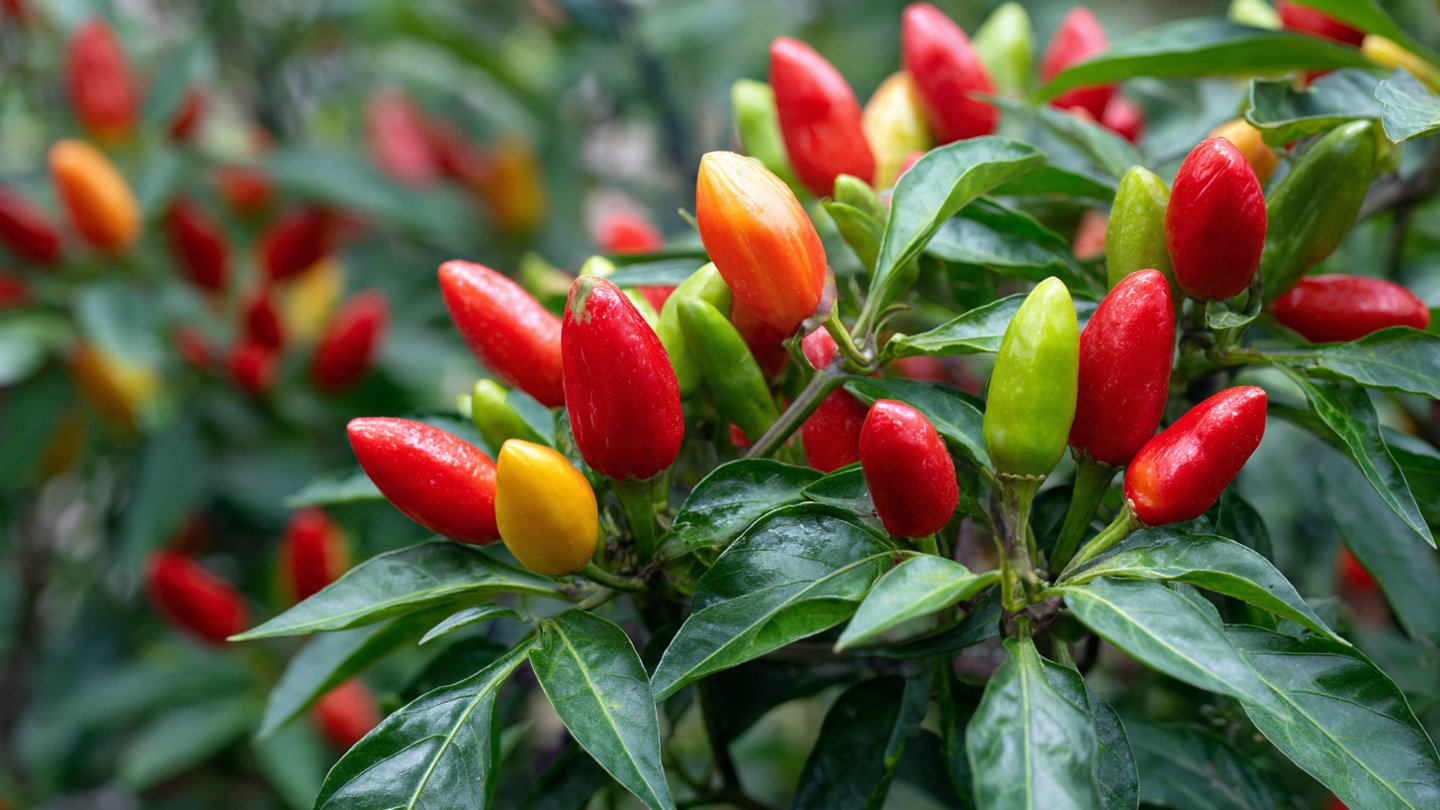
Chilies are a global culinary superstar, adding heat, flavor, and color to dishes across every continent. But imagine a chili plant so prolific that it produces hundreds—sometimes thousands—of fruits in a single season! Such a plant isn’t just a gardener’s dream; it’s a record-breaking marvel of nature. In this guide, we’ll explore the chili plant with the most fruits in the world, the secrets behind its extraordinary yield, and practical tips to grow your own “fruit explosion” chili plants at home.
The World’s Most Prolific Chili Plant
The Guinness World Records recognizes the “Chili Plant with the Most Fruits”, a single plant that produced an astounding over 4,000 individual chili peppers. This record-breaking plant belongs to the Capsicum annuum species, one of the most common and versatile chili types worldwide.
- Species: Capsicum annuum
- Fruit Count: 4,097 chilies on a single plant (record)
- Fruit Size: Small to medium, averaging 3–5 cm in length
- Growth Habit: Bushy, compact, highly branched
This plant demonstrates what is possible with careful selection, optimal care, and ideal growing conditions. Its secret lies in a combination of genetics, pruning, fertilization, watering, and pest management.
Why Some Chili Plants Produce More Fruits
Not all chili plants are created equal. Fruit production depends on several key factors:
- Genetics – Certain chili varieties naturally produce more fruits per branch. Record-breaking plants often come from high-yielding cultivars selected for prolific fruiting.
- Pruning and Training – Regular pruning encourages lateral branching, which increases the number of flowering sites.
- Optimal Nutrition – Balanced fertilization ensures strong vegetative growth and continuous flowering.
- Sunlight – Chilies thrive in full sun, producing more flowers and fruits when they receive at least 6–8 hours of direct sunlight daily.
- Pollination – Adequate pollination by bees or gentle hand-pollination boosts fruit set.
- Disease and Pest Management – Healthy plants with minimal stress focus their energy on fruit production rather than defense.
Step 1: Choosing the Right Chili Variety
To grow a chili plant capable of producing hundreds—or thousands—of fruits, start with the right variety:
- Capsicum annuum Varieties – Cayenne, Thai, and Birds Eye chilies are known for prolific fruiting.
- Compact Bush Varieties – Ideal for home gardens, allowing more fruit-bearing branches.
- High-Production Cultivars – Seek seeds labeled as “high-yield” or “fruit explosion” varieties.
Selecting the right variety gives you a genetic advantage for massive harvests.
Step 2: Starting Chili Seeds
High-yielding chili plants begin with healthy seedlings:
- Seed Selection – Use fresh seeds from a reputable supplier. Fresh seeds germinate faster and produce vigorous plants.
- Soil Preparation – Use a well-draining seed-starting mix.
- Sowing Depth – Plant seeds ¼–½ inch deep.
- Watering and Light – Keep soil moist but not waterlogged. Provide bright light or grow lights for 12–16 hours a day.
- Germination Time – Seeds typically sprout within 7–14 days.
Healthy seedlings are the foundation for a record-breaking plant.
Step 3: Transplanting to Larger Pots or Garden Beds
Once seedlings develop 2–3 true leaves, transplant them to larger containers or garden beds:
- Spacing – Leave at least 18–24 inches between plants to ensure airflow and sunlight penetration.
- Soil – Use fertile, well-draining soil enriched with compost.
- Sunlight – Choose a location with full sun for maximum flowering.
Proper spacing and soil preparation encourage vigorous growth and set the stage for high fruit counts.
Step 4: Pruning and Training for Maximum Fruits
Pruning is one of the most important techniques to increase chili yield:
- Tip Pruning – Cut the growing tip when the plant reaches 12–18 inches tall. This encourages lateral branching.
- Removing Weak Branches – Eliminate thin or weak shoots to focus energy on stronger, fruit-bearing branches.
- Maintaining Shape – Train the plant into a bushy shape to maximize the number of flowers per branch.
A well-pruned chili plant produces significantly more fruits than one allowed to grow unchecked.
Step 5: Fertilization for Prolific Flowering and Fruiting
Nutrition is key for high fruit yield:
- Nitrogen (N) – Promotes leafy growth in the early stages.
- Phosphorus (P) – Supports flower and root development.
- Potassium (K) – Essential for fruit set, size, and flavor.
- Micronutrients – Calcium, magnesium, and trace elements help prevent blossom-end rot and other deficiencies.
Tip: Apply a balanced NPK fertilizer every 2–3 weeks, reducing nitrogen once flowering begins to encourage fruit production.
Step 6: Watering and Mulching
Chilies need consistent moisture, especially during flowering and fruiting:
- Watering Schedule – Water deeply once or twice a week, depending on climate and soil. Avoid frequent shallow watering, which can stress the plant.
- Mulching – Apply organic mulch around the base to retain soil moisture, regulate temperature, and reduce weed competition.
Proper hydration ensures continuous flower production and reduces fruit drop.
Step 7: Pollination Techniques
Chili flowers require pollination to set fruit:
- Natural Pollinators – Bees and other insects are highly effective.
- Hand Pollination – Use a soft brush or gently shake flowers to transfer pollen.
- Timing – Pollinate in the morning when flowers are fully open for best results.
Maximizing pollination directly increases the number of fruits per plant.
Step 8: Pest and Disease Management
High-yielding chili plants must be protected from stressors:
- Common Pests – Aphids, spider mites, whiteflies, and fruit borers can reduce fruit count.
- Diseases – Fungal infections such as powdery mildew or bacterial leaf spot can stunt growth.
- Prevention – Maintain proper spacing, avoid overhead watering, and inspect plants regularly.
- Organic Control – Neem oil, insecticidal soaps, or companion planting can reduce pest pressure naturally.
Healthy, stress-free plants produce more fruits consistently.
Step 9: Harvesting Chili Fruits
- Harvest Frequency – Regularly harvest ripe chilies to encourage new fruit set.
- Color Indicators – Harvest chilies when they reach full color (red, yellow, or orange depending on variety).
- Handling – Use scissors or pruners to avoid damaging the plant.
- Continuous Production – By picking fruits regularly, the plant focuses energy on producing new flowers and fruits.
Record-breaking chili plants can produce hundreds of fruits continuously throughout the season.
Tips to Maximize Chili Yield
- Choose Compact, Bushy Varieties – They support more flowers and fruits per branch.
- Prune Regularly – Encourage lateral growth and maximize flower sites.
- Provide Full Sun – At least 6–8 hours daily.
- Fertilize Strategically – Focus on potassium and phosphorus once flowering begins.
- Ensure Pollination – Encourage bees or hand-pollinate flowers.
- Control Pests Promptly – Avoid stress that reduces fruit production.
- Consistent Watering – Keep soil evenly moist without overwatering.
The Benefits of High-Yield Chili Plants
- Culinary Abundance – Enjoy fresh chilies for cooking, drying, or making sauces.
- Commercial Potential – High-yield plants can provide significant income in small-scale farming.
- Space Efficiency – A single bush can supply a family or small business with thousands of chilies.
- Gardening Satisfaction – There’s unmatched joy in seeing a plant produce an explosion of fruits.
Common Mistakes to Avoid
- Overcrowding Plants – Limits airflow and reduces sunlight, lowering fruit count.
- Excessive Nitrogen – Leads to lush foliage but fewer flowers and fruits.
- Ignoring Pruning – Plants left to sprawl produce fewer fruits per branch.
- Neglecting Pollination – Poor pollination results in empty flowers and wasted energy.
- Inconsistent Watering – Stress from drought or overwatering causes fruit drop.
Conclusion
The chili plant with the most fruits in the world demonstrates the incredible potential of this versatile plant. By combining the right genetics, careful pruning, optimal fertilization, consistent watering, and effective pollination, gardeners can cultivate chili plants capable of producing hundreds—or even thousands—of fruits per season.
Whether you are a home gardener seeking a vibrant, productive chili plant or a small-scale farmer aiming for maximum yield, the principles behind the world-record chili plant can guide you to success. With patience, attention to detail, and proper care, your garden could witness its very own chili harvest explosion, turning ordinary plants into extraordinary fruit-bearing powerhouses.
Start today, and prepare to be amazed by the sheer number of chilies your plant can produce!