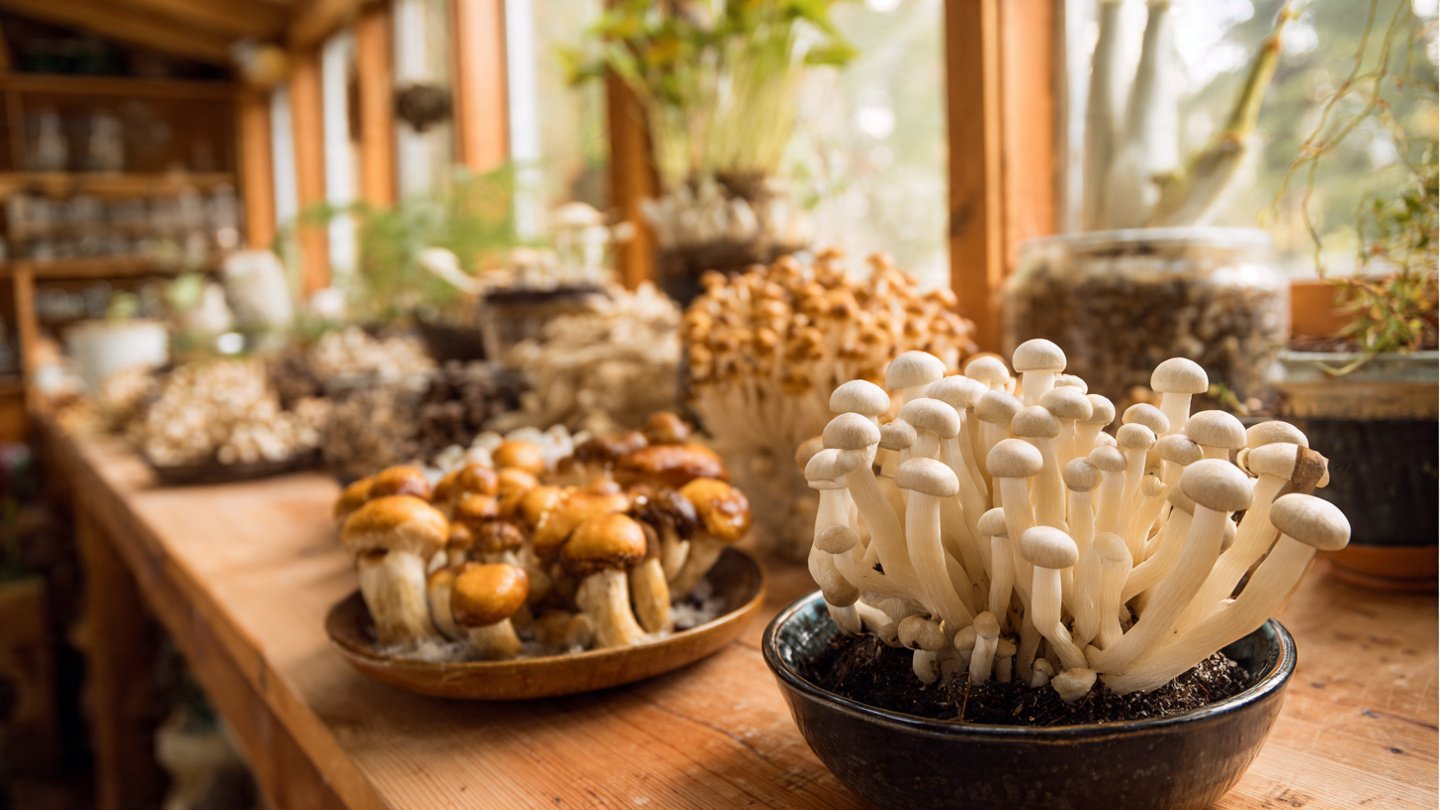
Mushrooms are a culinary delight, packed with flavor, nutrients, and medicinal benefits. Unlike many other crops, mushrooms can be grown indoors or outdoors, in small spaces, and with minimal effort, making them ideal for home gardeners and hobbyists. Growing mushrooms using traditional methods is not only rewarding but also allows you to enjoy fresh, chemical-free produce right at home.
This guide will walk you through easy, reliable, and traditional ways to grow mushrooms, from preparing the substrate to harvesting your first crop. Whether you want mushrooms for personal consumption or small-scale production, these methods are straightforward and effective.
Why Grow Mushrooms at Home?
Growing mushrooms at home offers several advantages:
- Freshness – Store-bought mushrooms often lose flavor and nutrients quickly. Homegrown mushrooms are fresher and more flavorful.
- Cost-Effective – A small investment in spores and substrate can yield a substantial harvest.
- Nutrient-Rich – Mushrooms are rich in vitamins, minerals, antioxidants, and dietary fiber.
- Compact Gardening – Mushrooms require minimal space and can thrive in controlled environments.
- Year-Round Harvest – With proper conditions, mushrooms can produce continuously throughout the year.
Traditional mushroom cultivation also provides a fun and educational experience, especially for beginners who want to explore home gardening beyond conventional plants.
Understanding Mushrooms and Their Growth Requirements
Mushrooms are fungi that grow from spores and thrive on organic substrates. Unlike plants, they do not require sunlight to grow, making them suitable for indoor cultivation. Understanding their basic needs is essential for a successful harvest:
1. Substrate
The substrate is the material on which mushrooms grow. Common traditional substrates include:
- Straw – Affordable and widely available, ideal for oyster mushrooms.
- Wood Logs – Suitable for shiitake and other wood-loving species.
- Compost or Manure-Based Mixtures – Perfect for button mushrooms.
2. Moisture
Mushrooms need high humidity (around 80–90%) for optimal growth. Substrates should be kept moist but not waterlogged.
3. Temperature
Different mushroom species prefer different temperatures:
- Oyster Mushrooms: 20–30°C (68–86°F)
- Button Mushrooms: 16–18°C (61–64°F)
- Shiitake Mushrooms: 22–26°C (72–79°F)
4. Airflow
While mushrooms don’t require sunlight, fresh air is essential to prevent stagnation and contamination. Proper ventilation ensures healthy growth and prevents fungal diseases.
Traditional Methods of Mushroom Cultivation
Traditional mushroom cultivation focuses on simple, natural techniques that rely on basic materials and do not require high-tech equipment. Here are the most effective methods:
1. Log Cultivation
Log cultivation is one of the oldest and most reliable mushroom-growing methods. It works best for shiitake, oyster, and reishi mushrooms.
Steps:
- Select healthy logs from hardwood trees like oak, maple, or beech.
- Drill holes 1–2 inches deep, spaced evenly along the log.
- Insert mushroom spawn into the holes and seal with wax to prevent contamination.
- Place the logs in a shaded, humid area.
- Water logs periodically to maintain moisture.
- Mushrooms will typically begin to fruit in 6–12 months, depending on the species and season.
Log cultivation is durable and can produce mushrooms for several years with minimal maintenance.
2. Straw or Sawdust Bag Cultivation
Growing mushrooms in straw or sawdust is popular for oyster mushrooms due to its speed and high yields.
Steps:
- Chop straw into manageable pieces and pasteurize by soaking in hot water (60–70°C) for 1–2 hours to eliminate unwanted organisms.
- Drain excess water and allow the straw to cool.
- Mix the mushroom spawn thoroughly with the straw.
- Pack the mixture into clean plastic bags and poke holes to allow mushrooms to emerge.
- Keep the bags in a humid, shaded area at the recommended temperature for the species.
- Within 3–5 weeks, mushrooms start to appear.
This method is fast, efficient, and suitable for indoor cultivation, making it ideal for beginners and urban gardeners.
3. Compost Bed Method
The compost bed method is traditional for growing button mushrooms. It involves using manure-rich compost, which provides nutrients for the mushrooms to thrive.
Steps:
- Prepare a compost mixture using well-decomposed manure and organic matter.
- Spread the compost in shallow beds, around 4–6 inches deep.
- Mix in mushroom spawn evenly.
- Cover the bed with a thin layer of soil or casing material.
- Maintain high humidity and moderate temperatures.
- Mushrooms will fruit in 3–4 weeks, and multiple flushes can be harvested from the same bed.
Compost beds are highly productive and suitable for small-scale backyard mushroom cultivation.
Caring for Mushrooms
Even traditional methods require careful attention to ensure healthy growth and reliable harvests.
1. Moisture Management
- Mist substrates regularly to maintain humidity.
- Avoid excessive water, which can promote bacterial growth and rot.
2. Temperature Control
- Keep the cultivation area within the optimal temperature range.
- Use shade or indoor climate control to protect mushrooms from heat or cold stress.
3. Contamination Prevention
- Keep hands and tools clean when handling substrates or spawn.
- Remove mold or spoiled material promptly.
- Cover growing areas with breathable cloth or plastic to minimize dust and pests.
4. Airflow
- Provide adequate ventilation without direct wind on mushrooms.
- Stale air can stunt growth and increase susceptibility to disease.
Proper care ensures healthy, fast-growing mushrooms with abundant yields.
Harvesting Mushrooms
Harvesting is a critical step that affects both quality and future yields.
- Pick mushrooms when caps are fully developed but not over-mature.
- Twist gently at the base to avoid damaging the substrate or surrounding mushrooms.
- Harvest early in the day when humidity is higher for fresher flavor.
- Some species allow multiple flushes from the same substrate; remove old mushrooms to encourage new growth.
With timely harvesting, traditional mushroom methods can provide a continuous supply of fresh mushrooms for several weeks to months.
Benefits of Growing Mushrooms at Home
Homegrown mushrooms offer numerous benefits beyond their culinary uses:
- Nutritional Value – Rich in protein, fiber, vitamins B and D, and antioxidants.
- Medicinal Properties – Certain mushrooms, like reishi and shiitake, support immunity and reduce inflammation.
- Low Environmental Impact – Mushrooms require minimal space and water compared to other crops.
- Economic Opportunity – Excess mushrooms can be shared or sold locally for extra income.
- Sustainable Gardening – Mushroom cultivation can recycle agricultural or kitchen waste into valuable food.
By growing mushrooms at home, you gain control over food quality, nutrition, and sustainability.
Tips for Success
To ensure successful mushroom cultivation using traditional methods:
- Start small to gain experience before scaling up.
- Keep detailed records of spawn types, substrates, and conditions.
- Experiment with different species to find what grows best in your environment.
- Use fresh, healthy spawn and avoid old or contaminated material.
- Maintain a clean cultivation area to prevent pests and mold.
Even beginners can achieve reliable harvests with patience and careful attention to these tips.
Conclusion
Growing mushrooms the traditional way is easy, fun, and highly rewarding. By understanding their growth requirements, selecting the right substrates, and following proven cultivation methods, you can enjoy quick and reliable harvests year-round.
Key Takeaways:
- Choose the right mushroom species for your climate and available space.
- Use logs, straw, sawdust, or compost as substrates depending on the method.
- Maintain proper moisture, temperature, and airflow for optimal growth.
- Practice cleanliness to prevent contamination and maximize yields.
- Harvest at the right time to enjoy fresh, flavorful mushrooms.
With these simple, traditional methods, even beginners can transform their home or garden into a mini mushroom farm, providing nutritious and delicious mushrooms for meals, snacks, and culinary adventures.
Growing mushrooms is more than just cultivation—it’s a hands-on, rewarding journey that teaches patience, observation, and the joys of producing your own food from start to finish.