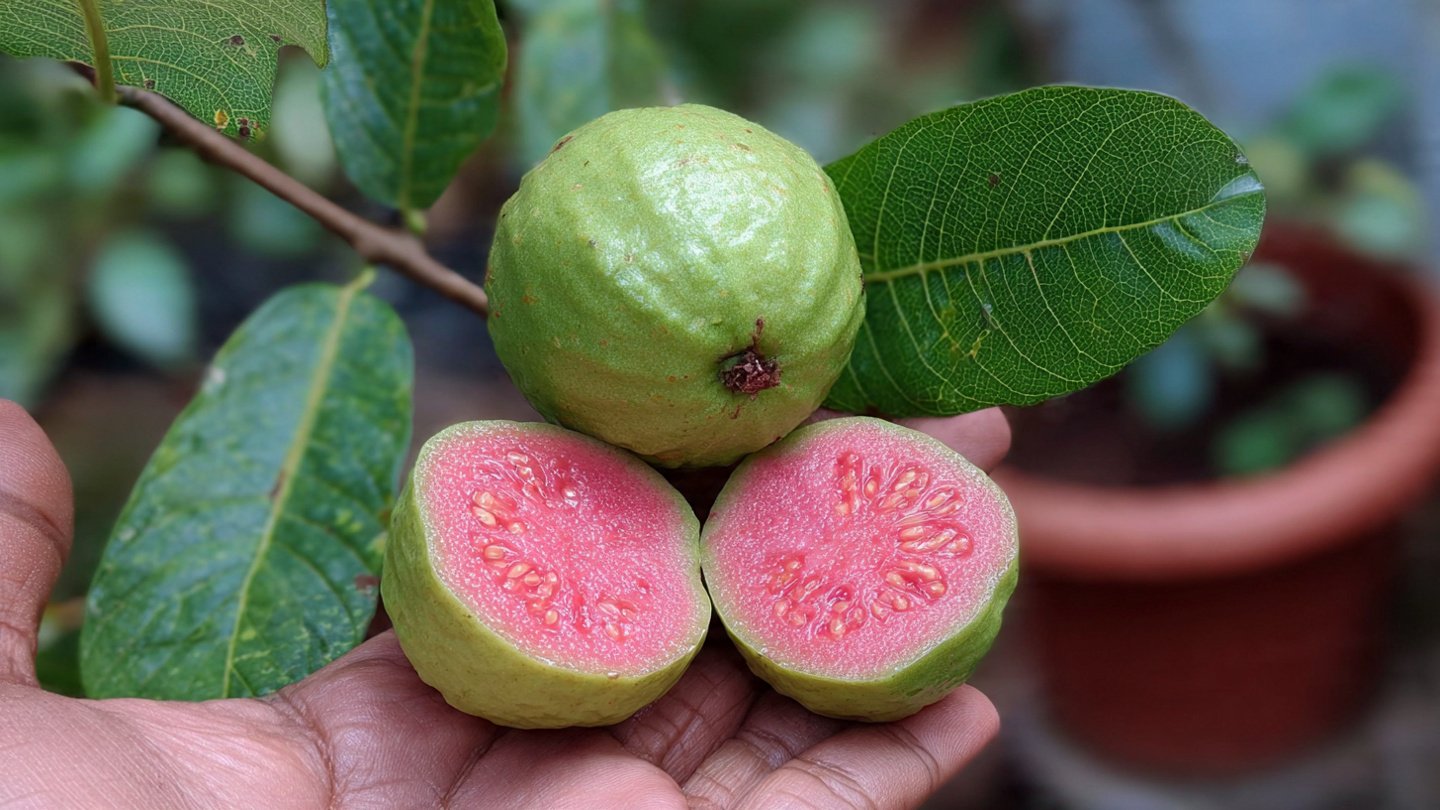
Guava (Psidium guajava) is a tropical fruit loved for its sweet flavor, high vitamin C content, and numerous health benefits. While guava trees are commonly grown from seeds, it often takes several years for seed-grown plants to produce fruit. For home gardeners who want faster fruit production, growing guava from cuttings is an excellent solution. This method allows you to replicate a mature, fruit-bearing tree, reducing the time to harvest and ensuring consistent fruit quality. In this guide, we’ll walk you through the easy steps to grow guava from cuttings for a productive home garden.
1. Why Choose Cutting Over Seeds
Guava propagation from cuttings has several advantages over seeds:
- Faster Fruit Production: Seed-grown trees may take 3–5 years to bear fruit, while cutting-grown trees can flower and fruit in 1–2 years.
- Clonal Propagation: Cuttings produce genetically identical plants to the parent tree, ensuring the same fruit quality and taste.
- Cost-Effective: Using cuttings is a low-cost method to multiply your favorite guava variety.
- Disease Resistance: Healthy cuttings from strong trees often inherit resistance traits.
By choosing cuttings, you save years of waiting and get predictable, high-quality harvests.
2. Selecting the Right Guava Cutting
The success of guava propagation depends largely on choosing the right cutting:
- Age of Branch: Use semi-hardwood branches that are 6–12 months old. Avoid overly young or old wood.
- Healthy Parent Tree: Select a tree free from disease, pests, or nutrient deficiencies.
- Cutting Length: Each cutting should be 8–12 inches long with at least 3–4 nodes (leaf joints).
- Leaf Preparation: Remove most leaves, leaving 1–2 at the top to reduce water loss.
Choosing a strong, healthy cutting increases your chances of fast root development and early fruiting.
3. Preparing the Cutting
Once you have selected your branch, prepare it for planting:
- Trim Ends: Make a clean, slanted cut at the bottom just below a node.
- Rooting Hormone (Optional): Dip the base in rooting hormone powder or gel to encourage faster root formation. Natural alternatives like honey or willow extract can also work.
- Remove Extra Leaves: Strip excess leaves to prevent water loss and reduce stress on the cutting.
Proper preparation ensures the cutting survives, establishes roots quickly, and grows into a strong plant.
4. Choosing a Suitable Planting Medium
Guava cuttings need a well-draining medium to prevent rot while providing nutrients for growth:
- Soil Mix: Use a mixture of sand, cocopeat, and compost in a 1:1:1 ratio. This ensures good drainage and moisture retention.
- Pot or Container: Use small pots with drainage holes. As the cutting grows, it can be transplanted into larger containers or directly into the ground.
- Moisture: The medium should be slightly damp but not waterlogged. Overwatering can cause cuttings to rot.
A proper planting medium creates an ideal environment for root development and early growth.
5. Planting the Cutting
Step-by-step planting ensures maximum survival:
- Make a Hole: Use a pencil or stick to create a hole deep enough to bury the lower 2–3 nodes of the cutting.
- Insert the Cutting: Place the cutting into the hole and firm the soil gently around it.
- Spacing: If planting multiple cuttings in a container or nursery bed, leave at least 6 inches between them.
- Initial Watering: Water lightly to settle the soil and provide moisture for root initiation.
Planting correctly ensures the cutting is stable and ready to develop roots.
6. Providing Optimal Conditions
Guava cuttings need favorable conditions to grow quickly:
- Sunlight: Place cuttings in bright, indirect sunlight initially. Once rooted, move them to full sun for healthy growth.
- Humidity: Covering with a plastic bag or using a mini-greenhouse maintains humidity and reduces stress.
- Temperature: Guava cuttings grow best in warm climates (25–35°C). Avoid cold drafts or extreme heat.
- Watering: Keep the soil consistently moist but avoid overwatering. Mist leaves occasionally if air is dry.
Maintaining optimal conditions accelerates root formation and promotes faster plant growth.
7. Root Development and Care
Roots usually begin forming within 4–6 weeks, depending on the variety and environmental conditions:
- Check for Roots: Gently tug the cutting; resistance indicates root formation.
- Gradual Hardening: Once roots are established, gradually reduce humidity and exposure to partial sunlight before moving outdoors.
- Fertilization: Apply diluted organic liquid fertilizers or compost tea once roots are established to promote strong shoot growth.
Healthy root development is essential for early flowering and fruiting.
8. Transplanting to the Garden or Larger Pots
Once the cutting has grown a strong root system and several new leaves, it’s ready for transplanting:
- Choose Location: Select a sunny spot with well-draining soil.
- Soil Preparation: Enrich the planting area with compost and organic matter.
- Planting Depth: Dig a hole slightly larger than the root ball and plant at the same depth it was in the nursery pot.
- Watering: Water immediately after transplanting and mulch around the base to retain moisture.
Transplanting at the right stage reduces shock and supports vigorous growth.
9. Care for Faster Fruit Production
To achieve early fruiting and higher yields, proper care is crucial:
- Pruning: Trim excess shoots to direct energy to strong branches and flower formation.
- Fertilization: Apply balanced NPK fertilizers or organic options like compost and vermicompost. Focus on phosphorus and potassium for flower and fruit development.
- Irrigation: Water regularly, especially during flowering and fruit set. Avoid waterlogging.
- Pest Management: Monitor for common pests like fruit flies, aphids, and mealybugs. Use organic sprays or neem oil as needed.
Consistent care accelerates flowering and ensures healthy, heavy fruit production.
10. Flowering and Fruit Set
With proper care, guava cuttings can flower and set fruit within 1–2 years, significantly faster than seed-grown trees:
- Pollination: Guava flowers are self-pollinating, but bees and other pollinators improve fruit set.
- Flowering Stage Care: Reduce excessive nitrogen fertilizer and increase potassium-rich fertilization to support fruit formation.
- Thinning: Remove excess fruits if necessary to prevent branch breakage and ensure quality fruits.
Early flowering and proper care result in consistent, high-quality harvests.
11. Harvesting Guava
Guava fruits are typically ready for harvest 4–8 months after flowering, depending on the variety:
- Maturity Signs: Fruits change color (green to light yellow) and emit a sweet aroma.
- Harvesting Method: Gently twist or cut the fruit from the branch to avoid damaging the plant.
- Post-Harvest Handling: Store in a cool, ventilated place to allow ripening if picked slightly green.
By propagating from cuttings, you can enjoy fresh guava fruits at home much earlier than with traditional seed-grown trees.
12. Advantages of Growing Guava from Cuttings
- Fast Fruit Production: Trees begin fruiting in 1–2 years.
- Uniform Fruit Quality: Fruits have the same taste, size, and sweetness as the parent tree.
- Low Cost: Simple method using existing branches.
- Space Efficiency: Ideal for home gardens and small spaces.
- Sustainable: Reduces the need to buy mature saplings repeatedly.
Growing guava from cuttings combines speed, reliability, and productivity for home gardeners.
13. Tips for Maximum Success
- Select healthy parent trees free from pests and diseases.
- Use semi-hardwood cuttings for better rooting success.
- Keep the soil slightly moist but well-draining to prevent rot.
- Maintain humidity during the rooting period using a plastic cover or mini-greenhouse.
- Gradually acclimate rooted cuttings to full sun before transplanting outdoors.
- Prune and fertilize regularly to support fast growth and fruiting.
Following these steps ensures your guava tree grows strong, produces fruit faster, and thrives for years.
Conclusion
Propagating guava from cuttings is an easy, cost-effective, and efficient way to enjoy early fruit production at home. By selecting healthy cuttings, preparing them properly, providing the right growing conditions, and giving consistent care, gardeners can enjoy fresh, delicious guava fruits in a fraction of the time it takes for seed-grown trees.
This method not only accelerates fruiting but also preserves the quality of the parent tree, ensuring your garden produces consistent, flavorful, and nutritious fruits. With patience and proper attention, you can turn a simple guava cutting into a productive, fruit-bearing tree that enriches your home garden for years to come.