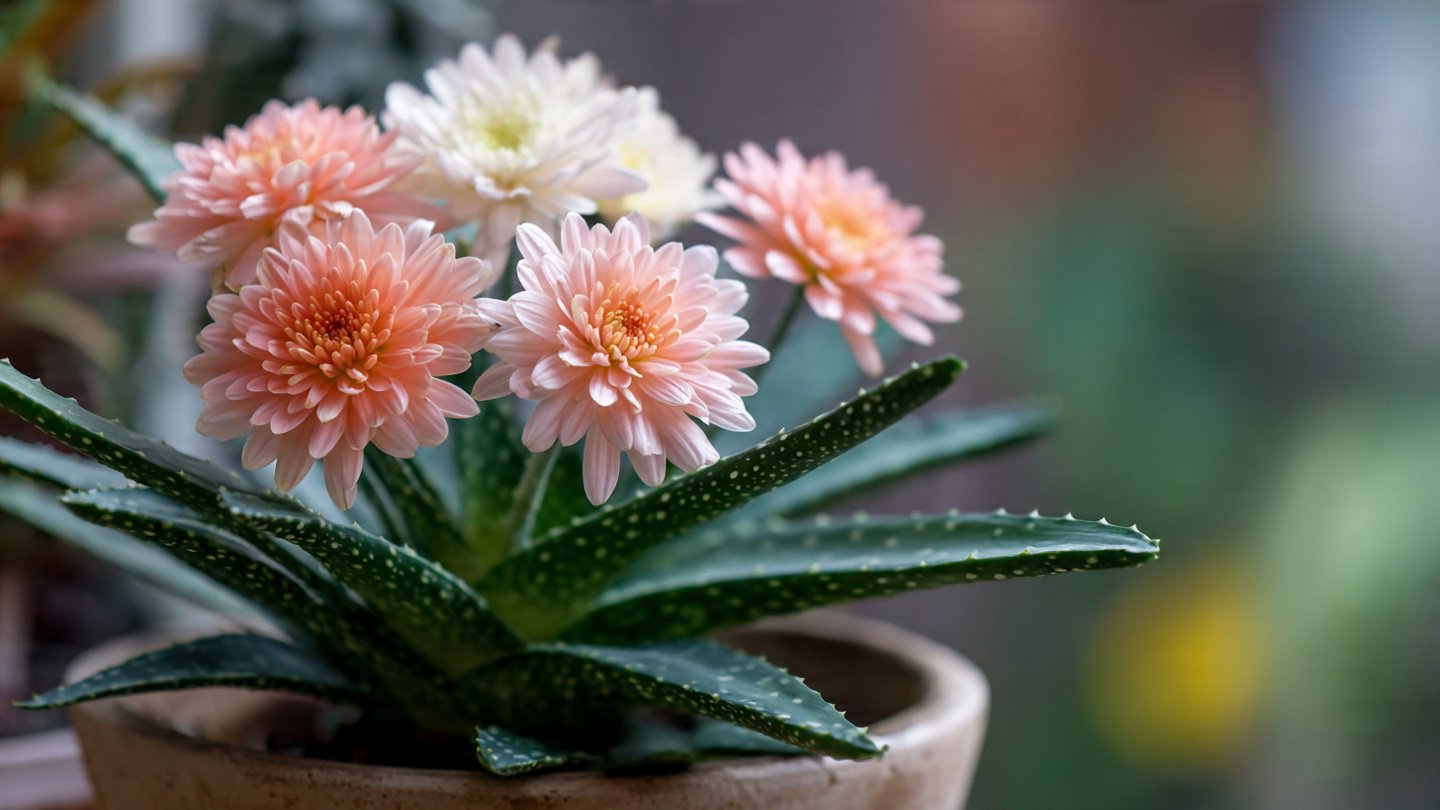
Chrysanthemums, fondly called mums, are one of the most popular flowering plants worldwide, admired for their vibrant colors, diverse shapes, and long-lasting blooms. Whether in gardens, pots, or indoor décor, chrysanthemums brighten up any space. However, achieving healthy plants, bigger flowers, and prolonged blooming can sometimes be a challenge, especially without relying on chemical fertilizers.
Enter aloe vera — a natural, versatile plant with a wide array of benefits for garden enthusiasts. Using aloe vera in chrysanthemum care is a simple yet revolutionary approach that promotes plant health, encourages bigger blooms, and extends flowering periods. In this guide, we’ll explore why aloe vera is a gardener’s secret weapon, and provide step-by-step tips for growing stunning chrysanthemums naturally.
Why Combine Chrysanthemums with Aloe Vera?
Aloe vera is renowned for its medicinal and skincare benefits, but it also contains nutrients and compounds that are highly beneficial to plants:
- Rich in Nutrients – Aloe gel contains vitamins A, C, E, and minerals like magnesium, calcium, and zinc, which stimulate plant growth.
- Promotes Root Development – When used in soil or as a foliar spray, aloe enhances root growth, leading to stronger, healthier plants.
- Natural Growth Hormones – Aloe contains auxins and gibberellins, natural plant hormones that encourage flowering and fruiting.
- Disease Resistance – Aloe boosts plant immunity, helping chrysanthemums resist fungal infections and pests.
- Longer Flowering – Regular use of aloe can extend the blooming period, keeping chrysanthemums vibrant for weeks longer.
By integrating aloe vera into chrysanthemum care, gardeners can achieve more sustainable, chemical-free, and impressive results.
Choosing the Right Chrysanthemum Varieties
Before starting, selecting the right variety of chrysanthemum is key to success:
- Pompon Chrysanthemums – Small, globe-shaped flowers, ideal for borders or pots.
- Decorative Chrysanthemums – Large blooms with wide petals, perfect for centerpieces.
- Spider Chrysanthemums – Unique, elongated petals, offering a dramatic appearance.
- Single or Daisy Chrysanthemums – Simple, daisy-like flowers that are low-maintenance and prolific.
For beginners, pot-friendly varieties like pompon or daisy chrysanthemums are easier to manage with aloe vera care.
Preparing Chrysanthemums for Aloe Vera Care
Healthy chrysanthemums are the foundation for bigger blooms and prolonged flowering. Follow these steps for preparation:
1. Soil Preparation
- Use well-draining, fertile soil with organic matter.
- A mixture of garden soil, compost, and sand in a 2:1:1 ratio works best.
- Aloe vera improves soil structure when applied as a natural gel mixture, ensuring moisture retention without waterlogging.
2. Selecting Healthy Plants
- Choose disease-free seedlings with firm stems and vibrant leaves.
- If planting from cuttings, ensure each has at least 2–3 nodes for root development.
3. Choosing Containers
- For potted chrysanthemums, select containers with drainage holes.
- Aloe vera can be planted alongside chrysanthemums or its gel can be used as a foliar spray for convenience.
How to Use Aloe Vera with Chrysanthemums
Aloe vera can be applied in multiple ways to enhance the growth, blooms, and flowering of chrysanthemums:
1. Aloe Vera Gel as Root Stimulator
- Extract fresh aloe gel from leaves and cut it into small pieces.
- Mix 2–3 tablespoons of gel into the soil around the base of the chrysanthemum.
- The natural hormones in the gel promote root growth and strengthen the plant.
2. Aloe Vera Foliar Spray
- Blend aloe gel with water (1:10 ratio) to create a liquid solution.
- Pour into a spray bottle and mist the leaves and buds every 7–10 days.
- This spray nourishes leaves, boosts chlorophyll production, and encourages larger blooms.
3. Aloe Vera Compost Booster
- Chop aloe leaves and mix them with compost.
- Use this enriched compost while planting or during routine fertilization.
- Nutrient-rich compost ensures a continuous supply of minerals and natural growth stimulants.
Step-by-Step Guide to Growing Chrysanthemums with Aloe Vera
Follow these steps for a successful aloe-assisted chrysanthemum garden:
Step 1: Planting
- Prepare soil or pot with good drainage.
- Place the chrysanthemum seedling or cutting into the soil.
- Add a small piece of aloe gel near the roots, ensuring it doesn’t directly touch the stem to avoid burns.
- Water lightly to help soil settle around the roots.
Step 2: Watering
- Water chrysanthemums regularly, keeping soil moist but not soggy.
- Aloe vera enhances water retention and reduces stress during dry spells.
Step 3: Sunlight
- Chrysanthemums require at least 5–6 hours of direct sunlight daily.
- Aloe-treated plants handle sunlight stress better, maintaining vibrant leaves and flowers.
Step 4: Fertilizing
- Use organic fertilizers like compost, cow manure, or vermicompost along with aloe gel applications.
- Fertilize every 3–4 weeks during the growing season.
- Aloe acts as a natural growth enhancer, reducing the need for chemical fertilizers.
Step 5: Pruning and Pinching
- Pinch back the tips of young chrysanthemums to encourage bushier growth.
- Remove faded flowers regularly to promote continuous blooming.
- Aloe applications strengthen stems, reducing breakage during pruning.
Common Mistakes to Avoid
Even with aloe vera, chrysanthemums require careful attention:
- Overwatering – Excess water can lead to root rot. Aloe gel helps retain moisture naturally without causing waterlogging.
- Poor Sunlight – Insufficient light reduces flower size and vibrancy. Position plants in sunny spots.
- Ignoring Pests – Aphids and spider mites can affect leaves and buds. Aloe boosts immunity but monitor plants regularly.
- Excess Fertilizer – Overuse of chemical fertilizers can harm chrysanthemums; aloe is a natural alternative.
- Neglecting Pruning – Unpruned plants produce fewer flowers and develop weak stems.
Benefits of Using Aloe Vera with Chrysanthemums
- Stronger, Healthier Plants – Aloe enhances root and stem strength, making chrysanthemums more resilient to environmental stress.
- Bigger and Brighter Blooms – Natural growth hormones in aloe promote larger flowers with richer colors.
- Longer Flowering Period – Aloe applications extend bloom life, allowing plants to stay in flower for weeks longer.
- Eco-Friendly Gardening – Reduces dependency on chemical fertilizers and pesticides.
- Improved Soil Quality – Aloe adds nutrients and enhances soil structure, benefiting future planting cycles.
Harvesting and Display
- Chrysanthemum flowers can be harvested when fully opened but still firm.
- Regular picking encourages more blooms and maintains plant health.
- Display cut flowers in water immediately or allow potted plants to continue blooming.
- Aloe-treated chrysanthemums stay fresh longer and maintain bright colors for decorative use.
Tips for Maximum Success
- Use Fresh Aloe – Avoid store-bought gels with additives; fresh gel provides natural hormones.
- Combine with Mulching – Mulch around chrysanthemums to retain moisture and regulate soil temperature.
- Monitor for Growth Spurts – Aloe may accelerate growth; support taller plants with stakes if necessary.
- Rotate Plants – For indoor chrysanthemums, rotate pots to ensure uniform sunlight exposure.
- Observe and Adjust – Watch how plants respond to aloe applications and adjust frequency for optimal results.
Conclusion
Growing chrysanthemums with aloe vera is a natural, effective, and sustainable way to cultivate healthy plants with bigger blooms and longer flowering periods. By integrating aloe gel into soil, foliar sprays, or compost, gardeners can harness the plant’s natural nutrients and growth hormones to achieve impressive results without chemical fertilizers.
Whether in pots, balconies, or garden beds, this method ensures chrysanthemums stay vibrant, resilient, and productive. The combination of careful planting, regular aloe care, proper watering, sunlight, and pruning creates an eco-friendly, high-yield flowering garden.
By following this guide, you can unlock the secret to flourishing chrysanthemums — a garden full of color, life, and long-lasting beauty, all thanks to the natural magic of aloe vera