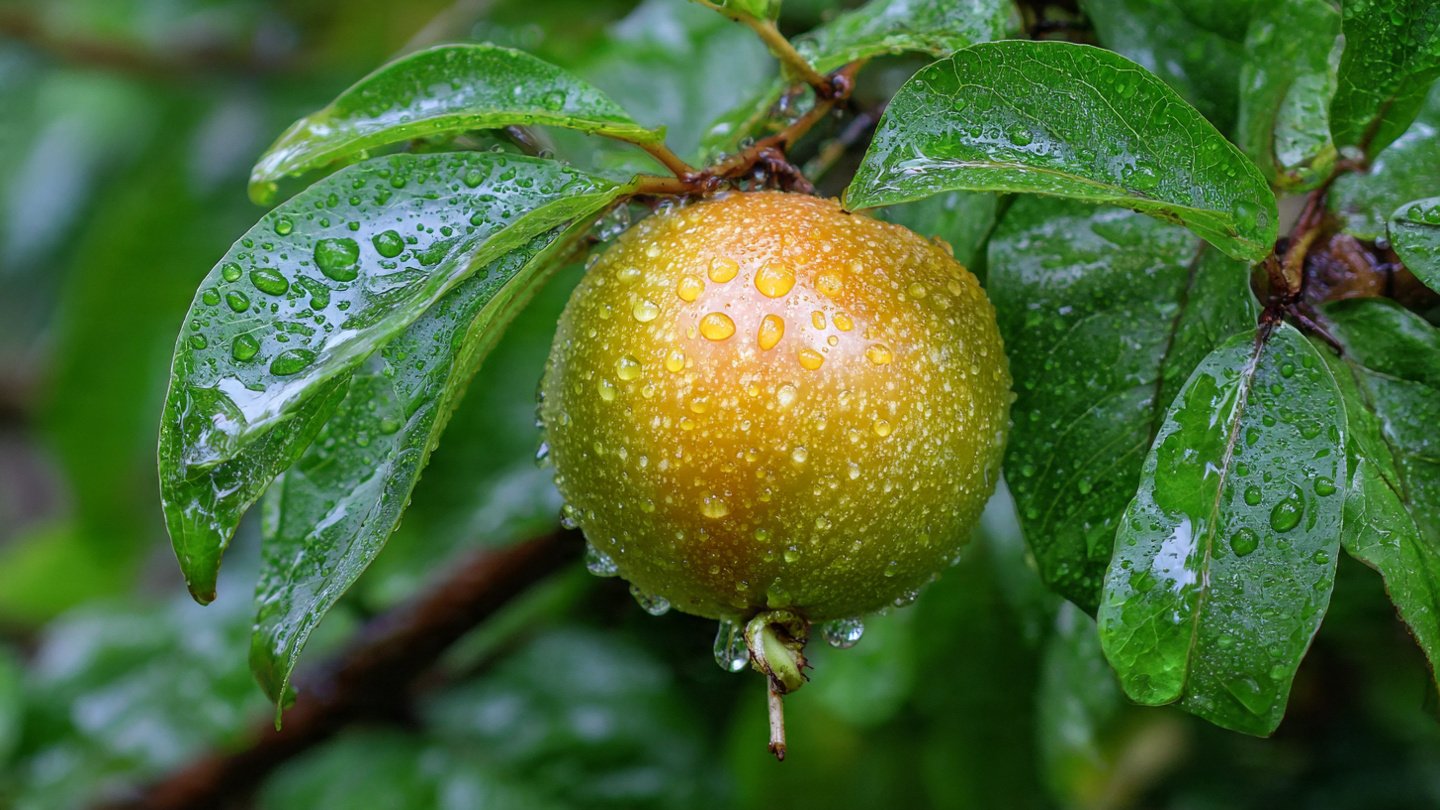
Passion fruit is a tropical delight loved for its fragrant flowers, fast-growing vines, and delicious sweet-tart fruits. While many gardeners buy nursery plants, growing passion fruit from seed is surprisingly easy, budget-friendly, and deeply satisfying—especially for beginners. Watching a tiny seed grow into a lush vine covered in exotic flowers and fruits is a rewarding experience.
This complete beginner-friendly guide will walk you through every step, from collecting seeds to harvesting fruit, along with essential care tips and common mistakes to avoid.
Why Grow Passion Fruit from Seed?
Growing passion fruit from seed has many advantages:
- Seeds are inexpensive and easy to find
- Plants adapt better to your local climate
- You can grow multiple plants at once
- It’s a fun learning project for beginners
Although seed-grown vines may take slightly longer to fruit than cuttings, they are often stronger and longer-lived.
Understanding Passion Fruit Plants
Passion fruit comes from the Passiflora genus. The most common edible types are:
- Purple passion fruit (Passiflora edulis) – sweeter, ideal for home gardens
- Yellow passion fruit (Passiflora edulis flavicarpa) – more vigorous, slightly tangy
Passion fruit is a climbing vine that needs support and plenty of sunlight to thrive.
Step 1: Collecting and Preparing Seeds
You can collect seeds from fresh, ripe passion fruit.
How to Extract Seeds
- Cut open a ripe passion fruit
- Scoop out the pulp with seeds
- Place seeds in water and rub gently to remove pulp
- Rinse and air-dry the seeds on a paper towel
Fresh seeds have the highest germination rate.
Optional Tip: Improve Germination
Soak seeds in lukewarm water for 24 hours before planting. This softens the hard seed coat and speeds up sprouting.
Step 2: Choosing the Right Time to Plant
Passion fruit seeds germinate best in warm conditions.
- Ideal temperature: 20–30°C (68–86°F)
- Best planting time: spring or early summer
- In colder regions, start seeds indoors
Warmth is crucial—cold soil can delay or prevent germination.
Step 3: Selecting the Right Soil and Container
Best Soil Mix
Passion fruit needs loose, well-draining soil.
Use:
- 40% garden soil or potting mix
- 30% compost or coco coir
- 20% sand or perlite
- 10% organic matter
The soil should stay moist but never soggy.
Pot Selection
- Use small pots or seed trays with drainage holes
- Shallow containers work well for germination
Step 4: Planting the Seeds
- Fill the container with prepared soil
- Plant seeds ½ inch deep
- Cover lightly with soil
- Water gently until moist
- Place in a warm, bright spot (not direct sun)
Covering the pot with plastic wrap (with small holes) can help retain humidity.
Step 5: Germination and Early Care
Germination Time
- Seeds sprout in 2–4 weeks
- Some may take up to 6 weeks
Be patient—passion fruit seeds are slow starters.
After Sprouting
- Remove plastic cover
- Move seedlings to bright indirect light
- Water lightly and consistently
Avoid overwatering at this stage, as young roots are delicate.
Step 6: Transplanting Seedlings
Once seedlings grow 4–6 inches tall and develop several true leaves, they’re ready for transplanting.
How to Transplant
- Choose a larger pot or garden spot
- Handle roots gently
- Plant at the same depth as before
- Water thoroughly after transplanting
Transplant shock is normal—plants usually recover within a week.
Step 7: Providing Sunlight and Support
Light Requirements
Passion fruit loves sunlight.
- Needs 6–8 hours of direct sun daily
- Partial shade is acceptable in very hot climates
Insufficient light results in weak vines and poor flowering.
Support Structure
Passion fruit vines grow fast and need support early.
Options include:
- Trellis
- Fence
- Pergola
- Balcony railing
Strong support encourages healthy growth and better fruiting.
Step 8: Watering and Feeding
Watering
- Water deeply but allow soil to dry slightly between watering
- Increase watering during hot weather
- Avoid waterlogging
Consistent moisture is key to flowering and fruit formation.
Fertilizing
- Use a balanced fertilizer (10-10-10 or organic compost)
- Feed every 2–3 weeks during growing season
- Reduce feeding in winter
Excess nitrogen causes leafy growth with fewer flowers.
Step 9: Pruning and Training the Vine
Pruning keeps the vine productive and manageable.
Why Prune?
- Encourages new growth
- Improves airflow
- Increases flowering
How to Prune
- Remove dead or weak stems
- Trim after fruiting season
- Train main vine along support
Light pruning is better than heavy cutting.
Step 10: Flowering and Pollination
Passion fruit produces stunning flowers before fruiting.
- Flowers appear 6–9 months after planting
- Bees help with pollination
- Hand pollination may improve fruit set
Hand Pollination Tip
Use a soft brush to transfer pollen from anthers to stigma in the morning.
Step 11: Fruit Development and Harvesting
After pollination:
- Fruits develop in 60–80 days
- Ripe fruits turn deep purple or yellow
- Fruits may fall naturally when ready
Harvest when fruits are fully colored and fragrant.
Common Problems and Solutions
Seeds Not Germinating
- Old seeds
- Cold soil
- Overwatering
Yellow Leaves
- Nutrient deficiency
- Poor drainage
- Overwatering
Flowers but No Fruit
- Lack of pollination
- Excess nitrogen
- Low sunlight
Pests
Watch for:
- Aphids
- Spider mites
- Mealybugs
Use neem oil or insecticidal soap if needed.
Can Passion Fruit Be Grown in Pots?
Yes! Passion fruit grows well in large containers.
- Choose a pot at least 18–24 inches wide
- Ensure strong support
- Water more frequently than ground plants
Potted plants are perfect for balconies and patios.
Final Thoughts
Growing passion fruit from seed may require patience, but the rewards are well worth it. With warmth, sunlight, proper support, and consistent care, beginners can successfully grow a thriving passion fruit vine at home.
From the moment the seeds sprout to the day you harvest your first fruit, this plant offers beauty, fragrance, and delicious produce. If you’re looking for an easy yet exciting gardening project, growing passion fruit from seed is a perfect place to start.
If you’d like, I can also:
- Create a container-only growing guide
- Add FAQs for beginners
- Rewrite this for SEO or blog publishing
- Create Pinterest-friendly sections