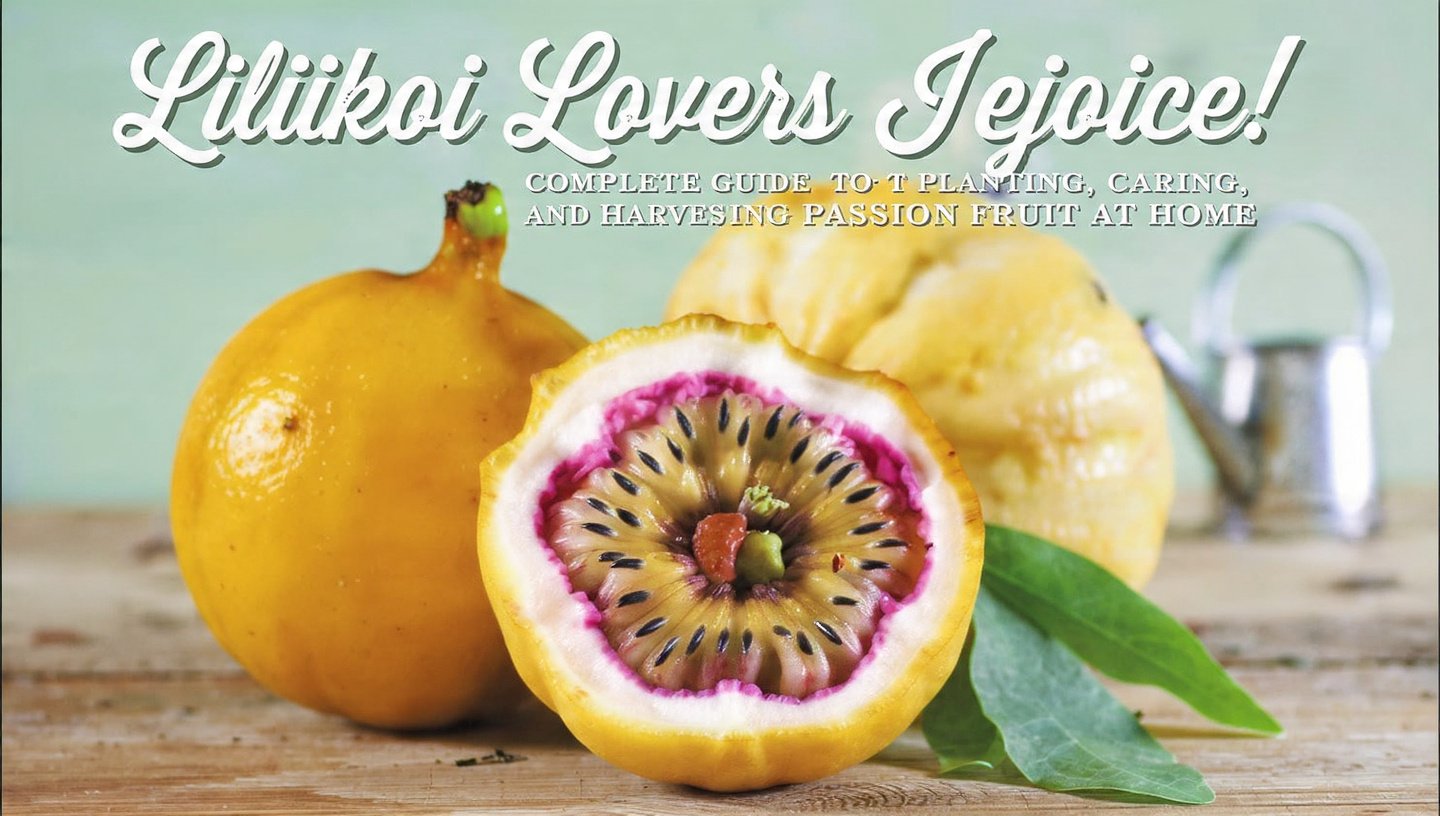
Few fruits capture the imagination—and the taste buds—quite like passion fruit, or lilikoi as it’s called in Hawaii. Its exotic aroma, vibrant flowers, and tangy-sweet fruit make it a favorite among gardeners and home chefs alike. Growing passion fruit at home may seem daunting, but with the right knowledge, you can cultivate thriving vines that reward you with both beauty and bountiful harvests.
In this complete guide, we’ll explore how to plant passion fruit, nurture it through the seasons, manage pests and diseases, and harvest ripe lilikoi for maximum flavor. Whether you’re a seasoned gardener or trying it for the first time, this guide ensures your home garden flourishes with passion fruit success.
Understanding Passion Fruit: Varieties and Growth Habits
Before planting, it’s important to understand what you’re working with. Passion fruit vines belong to the genus Passiflora and are vigorous, climbing plants that thrive in warm climates. There are two main types commonly grown at home:
- Purple Passion Fruit (Passiflora edulis)
- Smaller, aromatic fruit
- Prefers subtropical climates
- Slightly more frost-tolerant
- Yellow Passion Fruit (Passiflora edulis f. flavicarpa)
- Larger, tangy fruit
- Performs best in tropical or humid conditions
- Requires more space and support
There are also ornamental varieties prized for their spectacular flowers. For home growers focused on fruit, purple and yellow varieties are your best bet.
Choosing the Right Location for Your Passion Fruit Vine
Passion fruit vines are sun-loving climbers. Their ideal growing spot should meet these criteria:
- Full sun exposure: At least 6–8 hours daily.
- Good airflow: Prevents fungal diseases common in damp conditions.
- Support structure: Vines need a fence, trellis, arbor, or pergola to climb.
- Well-draining soil: Avoid areas prone to waterlogging, as this can rot roots.
Fence lines, garden walls, or even large containers with sturdy trellises are perfect choices for home gardens.
Preparing the Soil
Passion fruit thrives in fertile, well-drained soil. Follow these steps for soil preparation:
- Clear the area
Remove weeds and debris to give your vine a head start. - Soil enrichment
Mix compost, well-rotted manure, or organic fertilizer into the soil. Passion fruit is a heavy feeder and benefits from nutrient-rich soil. - Check pH levels
Ideal pH: 6.0–7.5. Slightly acidic to neutral soil supports healthy nutrient absorption. - Improve drainage if necessary
Sandy loam is ideal. If you have clay-heavy soil, add sand or organic matter to prevent waterlogging.
Planting Passion Fruit: Step-by-Step
Planting correctly ensures strong vines and consistent fruiting.
Step 1: Choose Healthy Seedlings or Cuttings
- Purchase disease-free seedlings from a reputable nursery.
- Rooted cuttings are also an option, especially for yellow passion fruit.
Step 2: Dig Proper Holes
- Each hole should be 12–18 inches wide and deep enough for root spread.
Step 3: Planting Technique
- Place the vine in the hole, spreading roots evenly.
- Cover with soil, keeping the crown slightly above the surrounding soil to improve drainage.
Step 4: Water Generously
- Water immediately after planting to settle soil and reduce transplant shock.
Step 5: Mulch
- Apply 2–3 inches of organic mulch to retain moisture and regulate soil temperature.
Training and Supporting Your Vine
Passion fruit vines grow quickly and can become unruly without guidance. Training them properly ensures healthy growth, flowering, and easy harvesting.
- Attach young shoots to your fence or trellis using soft ties.
- Prune regularly: Remove overcrowded or weak branches to direct energy toward fruiting.
- Weave horizontally or diagonally along the fence to maximize flower and fruit production.
- Check supports: Ensure fences or trellises can handle the weight of mature vines laden with fruit.
Watering and Fertilizing Tips
Proper watering and feeding are key to lush growth and abundant fruit.
Watering
- Maintain even soil moisture, especially during flowering and fruiting.
- Deep watering 1–2 times per week encourages strong root systems.
- Avoid waterlogging, which leads to root rot.
Fertilizing
- Use a balanced fertilizer during early growth.
- Switch to a high-potassium fertilizer during flowering and fruiting to enhance bloom and fruit quality.
- Organic fertilizers like fish emulsion, compost tea, or well-rotted manure also work well.
Pollination: The Secret to Fruit Success
Passion fruit flowers are often self-fertile but thrive with cross-pollination, which improves fruit size and flavor.
Natural Pollinators
- Bees, butterflies, and wasps transfer pollen between flowers.
- Planting companion flowers can attract these pollinators to your garden.
Hand Pollination
If pollinator activity is low, hand pollination ensures better fruit set:
- Use a small paintbrush to collect pollen from the male part of the flower.
- Gently transfer it to the female stigma.
- Repeat for several flowers to increase yield.
Pruning for Health and Productivity
Pruning keeps vines healthy and encourages continuous flowering:
- Remove dead or diseased wood promptly.
- Thin overcrowded shoots to improve sunlight penetration.
- Trim long vines that may tangle or grow beyond support structures.
Regular pruning not only improves fruit production but also makes harvesting more manageable.
Pest and Disease Management
Passion fruit vines are generally resilient but can be affected by pests and diseases.
Common Pests
- Aphids, scale insects, and fruit flies.
- Encourage beneficial insects or use organic sprays if necessary.
Common Diseases
- Fusarium wilt, anthracnose, and root rot.
- Prevent fungal infections by maintaining good airflow, proper drainage, and routine pruning.
Nutrient Deficiencies
- Yellowing leaves may indicate magnesium or iron deficiency. Correct with foliar sprays or soil amendments.
Harvesting Lilikoi at Home
Harvesting at the right time ensures maximum flavor and sweetness.
- Color: Purple varieties turn deep purple; yellow varieties turn bright yellow.
- Slight softness: Ripe fruit gives slightly when gently pressed.
- Natural drop: Some fruits fall naturally when fully ripe—collect them promptly to avoid rot.
Ripe lilikoi can be eaten fresh, juiced, used in desserts, or preserved as jams and sauces.
Overwintering Passion Fruit Vines
In cooler climates:
- Dig up potted or vulnerable vines before frost.
- Store roots or containers in a frost-free area with light mulching.
- In tropical climates, passion fruit can remain in the ground year-round with minimal care.
Benefits of Growing Passion Fruit at Home
Growing lilikoi is rewarding for many reasons:
- Fresh, exotic fruit at your fingertips.
- Beautiful flowers that enhance your garden aesthetics.
- Compact growing options, especially along fences or trellises.
- Health benefits: Rich in antioxidants, vitamin C, and dietary fiber.
Even small spaces can produce substantial yields when vines are managed correctly.
Final Thoughts: From Planting to Sweet Harvest
With patience, care, and a little guidance, growing passion fruit at home can be a truly rewarding experience. By preparing the soil, providing support, watering and feeding properly, and ensuring effective pollination, your vines will reward you with vibrant flowers and luscious lilikoi fruit.
Whether you want to enjoy the tropical taste, decorate your garden with climbing vines, or experiment with homegrown jams and desserts, passion fruit is a versatile and beautiful addition to any home garden. Follow these guidelines, and your passion fruit journey will be as sweet and exotic as the fruit itself.