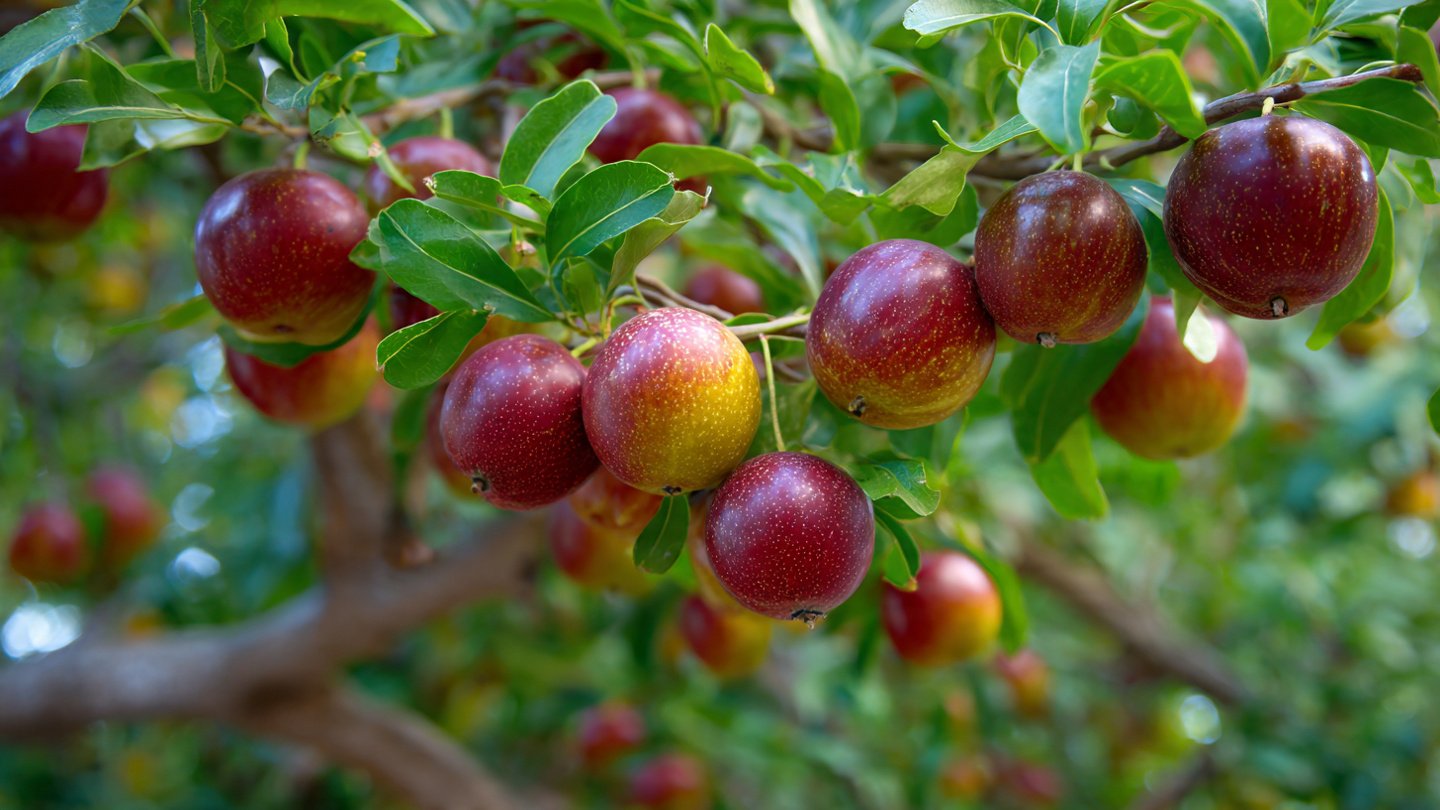
Jujube trees (Ziziphus jujuba), also known as Chinese date trees, are valued for their nutritious fruit, drought tolerance, and long lifespan. While jujube trees are naturally hardy and productive, many growers—especially home gardeners—struggle with one common problem: lots of leafy growth but poor fruiting.
Surprisingly, the solution does not always involve fertilizers or chemicals. One powerful, time-tested technique has been used for generations to significantly increase flowering and fruit yield in jujube trees—girdling. When done correctly, this natural method redirects the tree’s energy toward fruit production, often leading to noticeably higher yields.
In this article, we’ll explore what this technique is, why it works so well for jujube trees, how to do it safely, and what mistakes to avoid.
Understanding the Growth Habit of Jujube Trees
Before diving into the technique, it’s important to understand how jujube trees grow.
Jujube trees:
- Grow vigorously with strong vegetative shoots
- Prioritize leaf and branch growth over fruiting
- Can remain unproductive for years if growth is unmanaged
In nutrient-rich soil or with excess nitrogen, jujube trees often produce lush foliage but few flowers, which directly reduces fruit yield. This is where targeted stress techniques become useful.
The Powerful Technique: Girdling (Also Called Ring Barking)
What Is Girdling?
Girdling is the process of removing or interrupting a narrow ring of bark around a branch or trunk. This interrupts the downward flow of carbohydrates through the phloem while allowing water to continue moving upward through the xylem.
In simple terms:
- Sugars produced by leaves become trapped above the girdle
- These sugars accumulate in flowering and fruiting zones
- The tree is encouraged to flower and set fruit instead of producing excess leaves
This technique is especially effective in jujube trees, which respond strongly to carbohydrate redistribution.
Why Girdling Works So Well for Jujube Trees
Jujube trees are naturally vigorous and drought-adapted. They evolved to survive stress, not abundance. Girdling mimics a mild, controlled stress that signals the tree to reproduce.
Key Benefits of Girdling in Jujube Trees
- Increases flowering intensity
- Improves fruit set and retention
- Produces larger, sweeter fruits
- Reduces excessive vegetative growth
- Works without chemicals or synthetic inputs
When done properly, girdling does not harm the tree and can dramatically improve productivity.
Best Time to Girdle Jujube Trees
Timing is critical for success.
Ideal Timing
- Just before flowering or
- Early flowering stage
This is usually:
- Late spring to early summer
- When buds are swelling but not fully open
Avoid girdling during:
- Dormant winter months
- Peak fruit maturation
- Extreme heat or drought
Correct timing ensures energy is redirected toward flowers and developing fruit.
How to Girdle a Jujube Tree Safely (Step-by-Step)
Tools You’ll Need
- Sharp knife or pruning blade
- Clean cloth or alcohol for sterilization
Step 1: Choose the Right Branch
- Select healthy, mature branches (1–3 years old)
- Avoid very young shoots or the main trunk (for beginners)
- Never girdle more than 25–30% of the tree in one season
Step 2: Make a Shallow Circular Cut
- Remove a thin ring of bark (2–4 mm wide)
- Cut only through the bark and cambium
- Do not cut into the wood
Step 3: Ensure a Complete Ring
- The ring must be continuous
- Even a small uncut section can reduce effectiveness
Step 4: Leave the Cut Exposed
- Do not seal or wrap
- The tree will naturally heal over time
The bark usually reconnects within a few weeks to months.
What Happens After Girdling?
Within 2–4 weeks, you may notice:
- Increased flowering above the girdle
- Reduced shoot growth
- Improved fruit retention
- Healthier fruit development
The tree temporarily shifts from growth mode to reproduction mode.
How Often Should Girdling Be Done?
Girdling is not an annual requirement.
Recommended frequency:
- Once every 2–3 years
- Only when trees show poor fruiting
- Rotate branches instead of repeating on the same area
Overuse can weaken the tree, so moderation is essential.
Common Mistakes to Avoid
1. Girdling Too Deep
Cutting into the wood can permanently damage the branch.
Rule: Bark only—never wood.
2. Girdling the Main Trunk (Beginners)
While experienced orchardists sometimes trunk-girdle, beginners should stick to branches to avoid serious damage.
3. Girdling Weak or Young Trees
Trees under stress from drought, pests, or disease should never be girdled.
4. Combining with Heavy Nitrogen Fertilizer
High nitrogen cancels the effect by promoting leafy growth.
Supporting Girdling with Natural Practices
To maximize results, combine girdling with good orchard management.
Water Management
- Maintain moderate moisture
- Avoid overwatering
Balanced Nutrition
- Use compost instead of chemical nitrogen
- Focus on potassium and micronutrients
Light Pruning
- Remove overcrowded or vertical shoots
- Improve sunlight penetration
Pest and Disease Control
Healthy trees respond far better to girdling than stressed ones.
Is Girdling Safe for Organic and Natural Farming?
Yes. Girdling is:
- Chemical-free
- Environmentally friendly
- Widely used in traditional orchard systems
- Accepted in organic practices when done responsibly
It works with the tree’s natural physiology rather than against it.
Alternative Yield-Boosting Techniques for Jujube Trees
While girdling is highly effective, it can also be combined with:
- Branch bending (reduces dominance)
- Controlled water stress
- Summer pruning
- Mulching with organic matter
However, none are as immediately impactful as well-timed girdling.
Who Should Use This Technique?
Girdling is ideal for:
- Mature jujube trees with low yield
- Trees producing excessive leaves but few fruits
- Organic and natural growers
- Home gardeners seeking higher productivity without chemicals
It is not recommended for:
- Newly planted trees
- Weak or diseased trees
- Trees under severe drought stress
Final Thoughts
Girdling is a powerful, natural technique that has stood the test of time—especially in jujube cultivation. By strategically interrupting carbohydrate flow, this method encourages trees to focus on flowering and fruiting rather than excessive vegetative growth.
When applied correctly and sparingly, girdling can transform an underperforming jujube tree into a highly productive one—without fertilizers, growth regulators, or synthetic inputs. It’s a perfect example of how understanding plant biology can lead to smarter, more sustainable gardening practices.
If you’re struggling with low jujube yields, this simple yet powerful technique may be exactly what your tree needs.