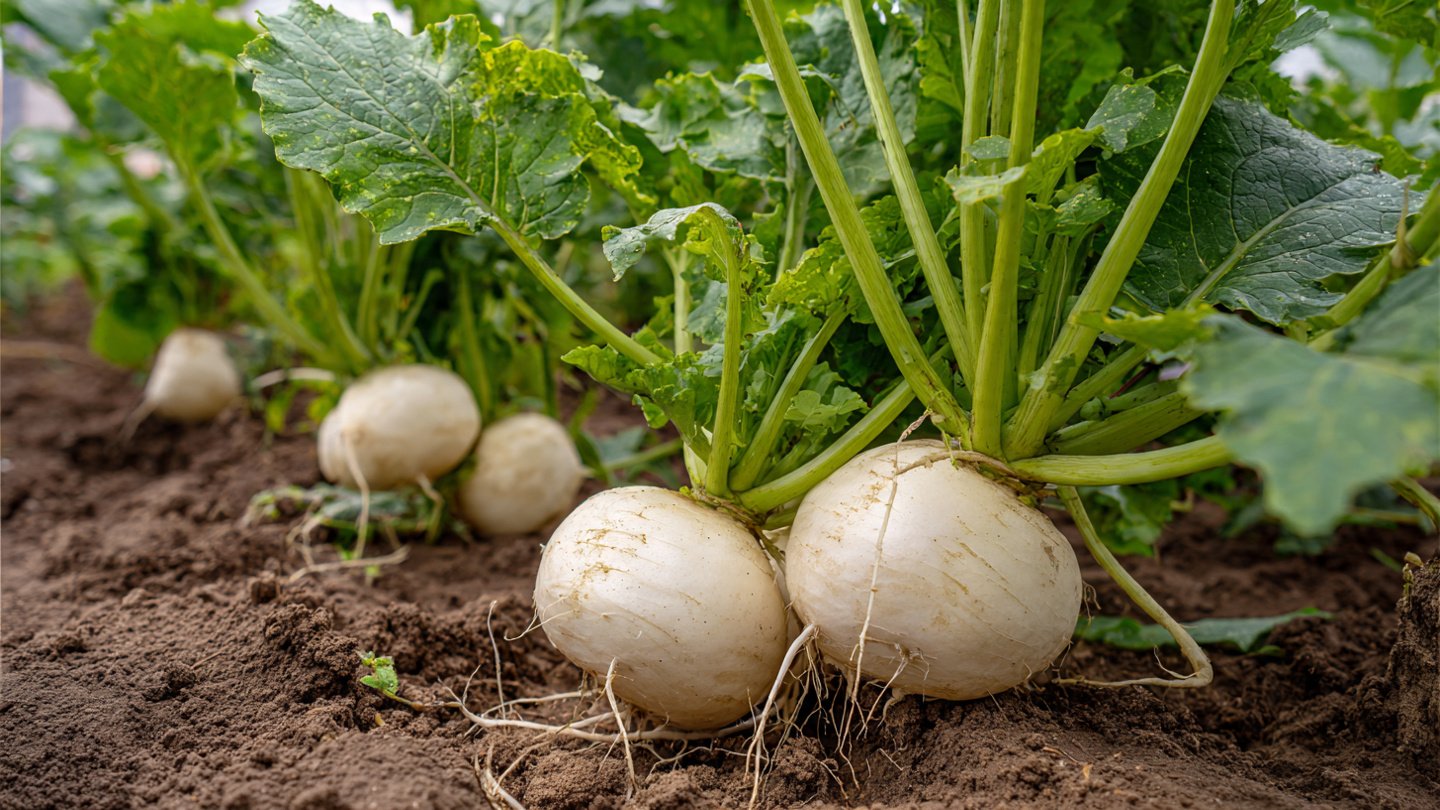
Jicama may not be the first vegetable that comes to mind when planning a home garden, but once you taste its crisp texture and mild sweetness, it quickly becomes a favorite. Often described as a cross between an apple and a water chestnut, jicama is refreshing, versatile, and surprisingly easy to grow if you understand its basic needs.
Native to Central America, jicama thrives in warm climates and produces large underground tubers that can weigh several pounds when grown correctly. Even beginner gardeners can achieve success by following a few simple steps. This guide will walk you through everything you need to know to grow jicama at home and harvest big, sweet tubers.
What Is Jicama and Why Grow It?
Jicama (Pachyrhizus erosus) is a tropical legume grown primarily for its edible root. While the plant produces vines, flowers, and seed pods, only the tuber is edible. The rest of the plant, including the seeds, contains toxic compounds and should never be consumed.
Homegrown jicama has a cleaner flavor and crunchier texture than store-bought versions. It’s also an excellent source of fiber, vitamin C, and antioxidants. Because jicama stores well, a single harvest can provide fresh produce for weeks or even months.
Understanding Jicama’s Growing Requirements
Before planting, it’s important to understand that jicama is a warm-season crop with a long growing period. It requires 120–150 frost-free days to mature fully.
Jicama loves:
- Warm temperatures
- Full sun
- Well-drained soil
- Consistent moisture without waterlogging
If your growing season is short, jicama can still be grown successfully by starting seeds indoors and transplanting them once temperatures rise.
Choosing the Right Location
Select a planting site that receives at least 6–8 hours of direct sunlight each day. Jicama plants produce long, climbing vines, so they need plenty of space or vertical support.
If growing in the ground, choose a location with loose soil and good airflow. For small gardens, raised beds or large containers can also work well, provided there is enough depth for tuber development.
Preparing the Soil for Sweet, Large Tubers
Soil preparation plays a major role in tuber size and sweetness. Jicama prefers loamy, well-draining soil with a pH between 6.0 and 7.5.
Before planting:
- Loosen the soil at least 12–18 inches deep
- Mix in compost or aged manure to improve structure
- Remove rocks and debris that could restrict tuber growth
Avoid high-nitrogen fertilizers, which encourage leafy growth at the expense of tuber development.
Starting Jicama Seeds
Jicama is typically grown from seeds, which should be soaked in warm water for 8–12 hours before planting to improve germination.
Indoor Seed Starting
In cooler climates, start seeds indoors 6–8 weeks before the last expected frost. Use biodegradable pots to minimize root disturbance during transplanting.
Plant seeds about 1 inch deep and keep soil consistently warm and moist. Germination usually occurs within 7–14 days.
Direct Sowing
In warm regions, seeds can be planted directly outdoors once soil temperatures consistently reach 70°F (21°C).
Transplanting and Spacing
Once seedlings have developed several true leaves and outdoor temperatures are reliably warm, they can be transplanted into the garden.
Space plants 12–18 inches apart, with rows spaced at least 3 feet apart. This spacing allows room for vine growth and tuber expansion.
Water well after transplanting and provide temporary shade if the sun is intense during the first few days.
Supporting the Vines
Jicama vines can grow 10–20 feet long, making support essential for healthy growth. Trellises, fences, or sturdy stakes work well.
Training the vines upward improves air circulation, reduces disease risk, and helps the plant focus energy on tuber development rather than excessive vine sprawl.
Regularly guide vines onto supports, especially during periods of rapid growth.
Watering for Optimal Growth
Consistent watering is crucial, especially during tuber formation. Jicama prefers evenly moist soil but does not tolerate soggy conditions.
Water deeply once or twice a week, depending on weather and soil type. Allow the top layer of soil to dry slightly between watering sessions.
Mulching with straw or dried leaves helps retain moisture, regulate soil temperature, and suppress weeds.
Fertilizing the Right Way
Jicama plants benefit from moderate feeding but do not require heavy fertilization. Too much nitrogen results in lush vines and small tubers.
Use a balanced organic fertilizer or compost tea every 4–6 weeks during the growing season. Once flowering begins, reduce nitrogen input to encourage tuber growth.
Healthy soil often provides enough nutrients without additional feeding.
Managing Flowers and Growth
Interestingly, removing flowers can improve tuber size. Flower production diverts energy away from the root, so pinching off blooms allows the plant to focus on tuber development.
This step is optional but highly recommended if your goal is large, sweet tubers.
Pest and Disease Control
Jicama is relatively resistant to pests, but aphids, spider mites, and beetles may occasionally appear. Regular inspection and early intervention prevent serious issues.
Use natural solutions such as neem oil or insecticidal soap if needed. Good airflow and proper spacing reduce the risk of fungal diseases.
Harvesting Jicama at the Right Time
Jicama is ready to harvest when tubers reach 4–8 inches in diameter, typically 4–5 months after planting. Do not leave tubers in the ground too long, as they can become fibrous.
Carefully loosen the soil and lift the tuber without damaging it. Wear gloves when handling the plant, and dispose of vines and seeds safely.
Storing and Using Your Harvest
After harvest, brush off excess soil and allow tubers to dry for a few hours. Store jicama in a cool, dry place where it can last several weeks.
Jicama is delicious raw in salads, sliced with lime and chili, or cooked in stir-fries and soups. Its crisp texture makes it a refreshing addition to many dishes.
Final Thoughts
Growing jicama at home may seem intimidating at first, but with warm temperatures, good soil, and a little patience, even beginners can enjoy a successful harvest. By focusing on soil preparation, consistent watering, and vine management, you’ll be rewarded with large, sweet tubers that outperform store-bought versions.
If you’re looking to expand your garden with something unique, nutritious, and satisfying, jicama is a fantastic choice.