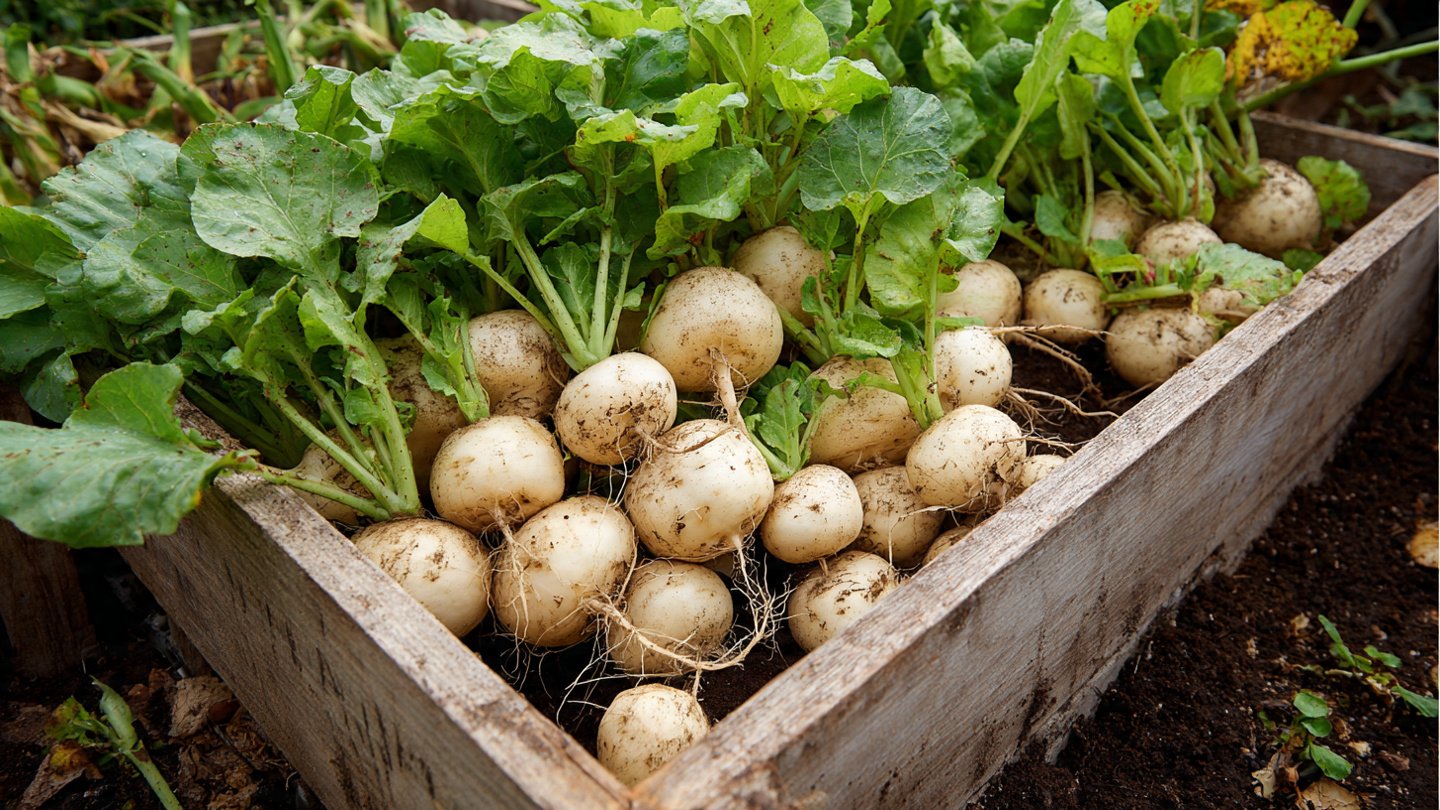
Jicama, also known as Mexican yam bean or Pachyrhizus erosus, is a crunchy, sweet root vegetable that’s low in calories and packed with fiber, vitamins, and antioxidants. Its crisp, juicy texture makes it perfect for salads, slaws, and snacks. While jicama is typically grown in large garden plots, with the right techniques, you can cultivate a substantial harvest in a single container or raised garden bed. By maximizing space, improving soil conditions, and providing proper care, you can grow a ton of jicama even in limited spaces.
In this guide, we’ll cover five proven tips to help you achieve a bountiful jicama harvest successfully.
Tip 1: Choose the Right Container or Raised Bed
The foundation of a successful jicama crop begins with the growing space:
Container Growing:
- Size Matters: Jicama roots can grow up to 12 inches long and 4 inches wide. Use containers that are at least 18–24 inches deep and 20–24 inches wide. Deep containers allow roots to grow freely without deforming.
- Drainage: Ensure containers have multiple drainage holes. Waterlogged soil can rot roots.
- Material: Use durable pots, wooden barrels, or fabric grow bags. Fabric bags allow excellent aeration for roots.
Raised Garden Bed:
- Depth: Raise beds at least 18 inches deep to accommodate large roots.
- Width: Keep beds 3–4 feet wide for easier access and maintenance.
- Spacing: Plant seeds or seedlings about 8–12 inches apart to allow roots to expand and maximize yield.
Choosing the right growing space ensures your jicama roots can develop fully and produce a heavy harvest.
Tip 2: Prepare Nutrient-Rich, Loose Soil
Jicama thrives in well-draining, loose soil with high organic content. Preparing the soil correctly is key to growing large, healthy roots:
- Soil Composition: Use a mixture of sandy loam and compost in a 2:1 ratio. Loose soil allows roots to expand without obstruction.
- pH Level: Maintain a slightly acidic to neutral pH of 6.0–7.0.
- Add Nutrients: Incorporate well-rotted compost, vermicompost, or aged manure to provide nitrogen, phosphorus, and potassium. These nutrients promote foliage and root development.
- Aeration: Mix in perlite or coarse sand to improve drainage and prevent compacted soil.
For containers, fill with the prepared soil mix, leaving 2–3 inches from the top for watering and mulch. For raised beds, loosen soil to at least 18 inches depth to accommodate the large roots jicama produces.
Tip 3: Start Seeds Properly
Growing jicama starts with healthy seeds or tubers. Proper germination sets the stage for a productive harvest:
Seed Preparation:
- Choose Fresh Seeds: Select firm, brown jicama seeds from a reliable source. Avoid seeds that are shriveled or soft.
- Soak Seeds: Soak seeds in warm water for 24 hours before planting to soften the hard seed coat and improve germination.
- Pre-Germination (Optional): Place seeds in a damp paper towel in a warm, shaded spot until sprouts appear. This accelerates growth.
Planting:
- Depth: Sow seeds 1–2 inches deep in containers or raised beds.
- Spacing: Leave 8–12 inches between seeds for adequate root expansion.
- Watering: Keep soil consistently moist but not soggy. Jicama seedlings are sensitive to drought and waterlogging.
Seeds typically germinate in 2–3 weeks. Once seedlings develop 2–3 true leaves, they can be thinned or transplanted to their final location.
Tip 4: Provide Optimal Growing Conditions
Jicama is a tropical plant that needs specific conditions for optimal growth:
Sunlight:
- Full Sun: Ensure 6–8 hours of direct sunlight daily. Adequate light promotes foliage growth and large root formation.
Temperature:
- Warm Climate: Jicama thrives in temperatures between 70–85°F (21–29°C). Avoid frost, which can kill plants or damage roots.
Support and Training:
- Vines: Jicama produces long vines that may spread 10–15 feet. Provide a trellis or stake to support climbing and prevent sprawling, which maximizes space in containers or raised beds.
Watering:
- Consistency: Keep soil consistently moist, especially during flowering and root development.
- Avoid Waterlogging: Too much water can rot the roots. Mulch helps retain moisture and regulate soil temperature.
By replicating tropical conditions, you encourage faster vine growth, larger roots, and higher yields.
Tip 5: Fertilization and Care for Maximum Yield
Fertilization and ongoing care are critical for producing a “ton” of jicama in limited space:
Fertilization:
- Balanced Fertilizer: Use a balanced NPK fertilizer (10:10:10) monthly during vegetative growth.
- Potassium Boost: Increase potassium levels as roots begin to enlarge. Potassium encourages root thickening and improves yield.
- Organic Options: Compost tea or worm castings can supplement nutrients and improve soil health.
Pruning:
- Trim Excess Foliage: Prune overcrowded vines to direct energy to root development.
- Remove Damaged Leaves: Dead or diseased leaves reduce plant energy and increase disease risk.
Pest and Disease Management:
- Common Pests: Aphids, leaf miners, and mites may affect vines. Use neem oil or insecticidal soap as a safe, organic control.
- Disease Prevention: Avoid overwatering and ensure good airflow to prevent fungal infections like root rot.
Consistent care ensures the plant invests energy into producing large, healthy tubers.
Harvesting Jicama
Jicama roots are ready to harvest 5–9 months after planting, depending on the variety and growing conditions:
- Size: Mature roots are 4–12 inches long and 3–5 inches in diameter.
- Foliage: Harvest when leaves begin to yellow and vines slow growth.
- Method: Gently dig around the roots with a garden fork or hand tool to avoid damaging them.
Tips for Success:
- Harvest carefully to prevent cracking or bruising.
- Store roots in a cool, dry place for up to 3–4 weeks.
With proper care, it’s possible to produce multiple large jicama roots from just one container or raised bed.
Extra Tips to Maximize Yield in Limited Space
- Succession Planting: Stagger seed sowing every 2–3 weeks to extend the harvest season.
- Vertical Gardening: Use trellises to train vines upward, saving ground space and increasing sunlight exposure.
- Companion Plants: Grow nitrogen-fixing plants like beans nearby to enrich soil naturally.
- Regular Mulching: Keeps soil moist, cool, and suppresses weeds, reducing competition for nutrients.
- Thorough Monitoring: Inspect plants weekly for pests, diseases, or nutrient deficiencies. Early intervention prevents yield loss.
By combining these strategies with the main five tips, you can optimize production and grow an impressive quantity of jicama even in a limited area.
Benefits of Growing Jicama at Home
- Nutritional Value: High in fiber, vitamin C, and antioxidants, jicama supports digestion and immune health.
- Culinary Uses: Perfect for salads, smoothies, and snacks. The crisp texture adds a unique twist to dishes.
- Space-Efficient: Even a single large container can yield multiple roots with proper care.
- Sustainable Gardening: Homegrown jicama reduces reliance on commercial farming and packaging.
- Educational Value: Great for learning about root vegetables, seed germination, and plant care.
Growing your own jicama is both practical and rewarding, giving you fresh produce while enhancing your gardening skills.
Conclusion
Growing a ton of jicama in one container or raised garden bed is achievable with careful planning and consistent care. By selecting the right container or raised bed, preparing nutrient-rich loose soil, starting seeds properly, providing optimal growing conditions, and fertilizing and pruning regularly, you can maximize root growth and yield.
Whether you’re a beginner or an experienced gardener, these five proven tips will help you cultivate large, healthy jicama roots right at home. With patience, attention to detail, and proper care, your container or raised bed can produce a substantial harvest, giving you crunchy, sweet, and nutritious jicama for your family’s enjoyment.