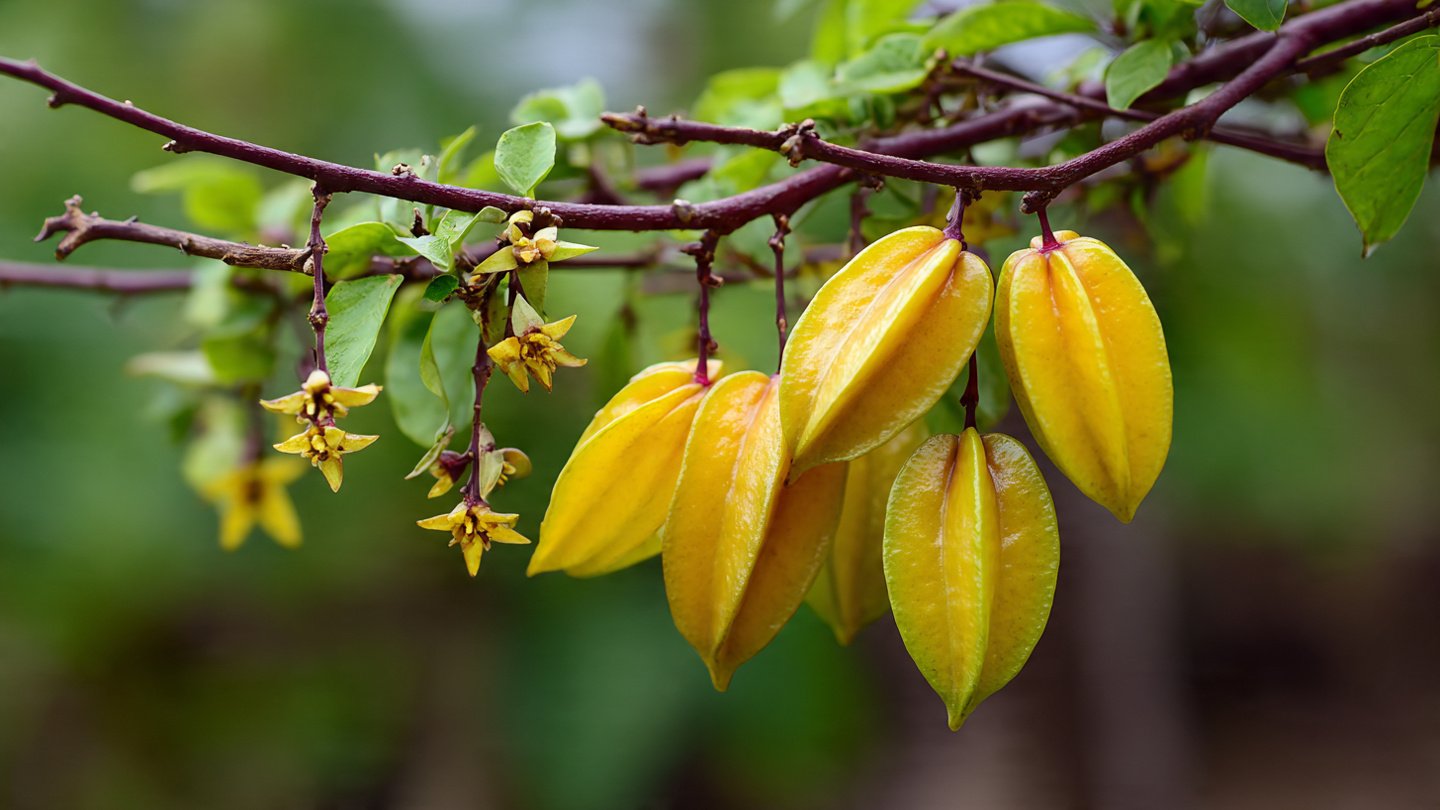
Carambola, commonly known as starfruit, is a tropical delight treasured for its sweet-tart flavor and unique star-shaped cross-section. This exotic fruit is not only visually appealing but also rich in vitamin C, fiber, and antioxidants, making it a nutritious addition to your diet. While starfruit trees are widely cultivated in tropical regions, you can successfully grow your own at home from seeds with patience and proper care. This step-by-step guide will help you cultivate a healthy starfruit tree that eventually bears its signature sweet fruit.
Why Grow Starfruit at Home?
Growing a Carambola tree at home has numerous benefits:
- Fresh and Organic Fruit: Homegrown starfruit is free from pesticides and chemicals, offering fresh, natural flavor.
- Cost-Effective: Starfruit can be expensive in stores. Growing your own reduces recurring costs.
- Nutritional Value: Rich in vitamin C, potassium, and antioxidants, homegrown starfruit provides multiple health benefits.
- Aesthetic Appeal: Starfruit trees have glossy green leaves and striking fruit that enhance any garden.
- Educational and Rewarding: Watching a tree grow from a tiny seed into a fruit-bearing tree is a rewarding experience and a great learning opportunity for children.
With proper planning, even a small backyard or container garden can host a thriving Carambola tree.
Step 1: Selecting Seeds
The first step in growing a starfruit tree is choosing the right seeds:
- Source: Use seeds from fresh, ripe starfruit purchased from a market or harvested from an existing tree.
- Quality: Select seeds that are plump, firm, and free from cracks or damage. Discard any shriveled or soft seeds.
- Freshness: Fresh seeds have higher germination rates. Avoid using seeds that have been stored for too long.
Using healthy seeds ensures better germination and strong seedlings.
Step 2: Preparing Seeds for Germination
Starfruit seeds have a hard coat, so preparation is crucial for faster germination:
- Cleaning: Rinse seeds under running water to remove any remaining pulp or sugar. This prevents mold during germination.
- Soaking: Soak the seeds in warm water for 24 hours. This softens the seed coat and improves germination rates.
- Optional Scarification: For tougher seeds, gently nick the outer seed coat with a knife to allow water absorption. Be careful not to damage the inner seed.
Prepared seeds are more likely to sprout within 2–3 weeks.
Step 3: Choosing a Planting Medium
Starfruit prefers a well-draining, nutrient-rich soil:
- Soil Mix: Combine garden soil, compost, and sand in a 2:1:1 ratio.
- Pot or Tray: Use small pots, seed trays, or containers with drainage holes to prevent waterlogging.
- Soil Moisture: Keep the soil consistently moist but not soggy. Overwatering can lead to rot, while dry soil slows germination.
A healthy planting medium supports strong root development and robust seedlings.
Step 4: Sowing Seeds
- Fill a pot or tray with the prepared soil mix.
- Plant the seeds 1–2 cm deep and cover lightly with soil.
- Water gently to settle the soil around the seeds.
- Place the pot in a warm, shaded location with indirect sunlight.
Keep the soil consistently moist and avoid direct, harsh sunlight, which can dry out or damage young seedlings.
Step 5: Germination and Seedling Care
Starfruit seeds typically germinate within 2–3 weeks, although some may take longer:
- Temperature: Maintain a warm environment around 25–30°C (77–86°F) to encourage sprouting.
- Moisture: Mist the soil or water gently to keep it damp. Avoid overwatering.
- Light: Once seedlings emerge, provide 4–6 hours of indirect sunlight daily. Gradually introduce them to brighter light to strengthen growth.
Monitor seedlings closely for healthy growth. Remove weak or malformed sprouts to allow strong ones to thrive.
Step 6: Transplanting Seedlings
Once seedlings develop 2–3 sets of true leaves, they are ready for transplantation:
- Container or Garden Bed: Choose a 10–15 liter pot initially, or a well-prepared garden bed for permanent planting.
- Soil Preparation: Use nutrient-rich, well-draining soil. Incorporate compost or organic manure to support growth.
- Planting Depth: Place seedlings at the same depth as in the seed tray. Firm the soil gently around the roots.
- Watering: Water immediately after transplanting to reduce transplant shock and help roots establish.
For outdoor planting, select a sunny location with partial shade during hot afternoons to protect young plants.
Step 7: Watering and Fertilization
Starfruit trees thrive with consistent care:
- Watering: Water seedlings 2–3 times per week, depending on weather. Mature trees need deep watering once or twice a week, especially during flowering and fruiting.
- Fertilization: Feed seedlings with balanced NPK fertilizer or organic compost every 2–3 months. Once established, add extra potassium during fruiting to enhance size and sweetness.
- Mulching: Apply a 2–3 cm layer of mulch around the base to retain soil moisture, suppress weeds, and regulate soil temperature.
Proper watering and nutrition ensure vigorous growth and better flowering.
Step 8: Pruning and Maintenance
Pruning promotes a strong structure and improves fruit production:
- Initial Pruning: Trim weak or damaged shoots to encourage healthy branching.
- Shaping: Form a canopy with 3–5 main branches to allow light and air penetration.
- Regular Maintenance: Remove dead or diseased leaves and branches to prevent fungal infections.
A well-maintained tree grows healthier and produces abundant fruit.
Step 9: Flowering and Pollination
Starfruit trees grown from seed may take 3–5 years to flower, although grafted trees bear fruit earlier:
- Flowers: Small, yellow flowers grow in clusters along the branches.
- Pollination: Bees and other pollinators naturally transfer pollen. For indoor or isolated trees, hand-pollination using a small brush can improve fruit set.
- Flower Care: Avoid waterlogging during flowering, as excess water can reduce fruit formation.
Healthy flowers are the key to a successful fruit harvest.
Step 10: Fruit Development and Harvesting
Starfruit takes 2–3 months to mature after flowering:
- Color: Fruit changes from green to yellow, with a glossy skin.
- Shape: Check for the signature five-ribbed star shape when cut crosswise.
- Ripeness: Fruit should be firm with a slight softness at the edges. Overripe fruit may lose flavor quickly.
Harvesting Tips:
- Use a sharp knife or scissors to cut fruits carefully from the branch.
- Avoid pulling by hand to prevent branch damage.
- Harvest regularly to encourage continuous fruit production.
Proper harvesting ensures the best flavor and keeps the tree productive.
Common Challenges and Solutions
Growing starfruit trees from seed comes with some challenges:
- Slow Growth: Seed-grown trees take years to fruit. Grafting can reduce this waiting time.
- Pests: Aphids, mealybugs, and scale insects can attack leaves and flowers. Use organic sprays like neem oil to control them.
- Diseases: Fungal infections such as anthracnose can occur in humid climates. Ensure proper spacing and airflow around trees.
- Nutrient Deficiency: Yellowing leaves may indicate a lack of nitrogen or potassium. Apply compost or balanced fertilizers accordingly.
With consistent care and monitoring, most challenges can be effectively managed.
Benefits of Growing Starfruit at Home
- Fresh and Organic: Enjoy flavorful, pesticide-free fruits.
- Health Benefits: Rich in vitamin C, antioxidants, and dietary fiber.
- Aesthetic Appeal: Attractive foliage and star-shaped fruit enhance any garden.
- Cost Savings: Reduces reliance on expensive store-bought fruits.
- Sustainable Gardening: Growing your own fruit reduces environmental impact and promotes biodiversity.
Homegrown Carambola trees are both productive and visually appealing, making them ideal for backyard gardens or container setups.
Conclusion
Growing a Carambola (starfruit) tree from seed is a rewarding journey that requires patience, care, and dedication. From selecting high-quality seeds, preparing soil, and nurturing seedlings to proper watering, pruning, and harvesting, each step contributes to a thriving, fruit-bearing tree. While seed-grown trees may take a few years to fruit, the experience of cultivating your own starfruit tree is unmatched.
By following this complete DIY guide, you can enjoy fresh, aromatic, and nutritious starfruit from your home garden. Not only will you have a sustainable source of tropical fruit, but you’ll also enhance the beauty and biodiversity of your backyard. With consistent care and attention, your starfruit tree will reward you with sweet, star-shaped fruits for years to come.