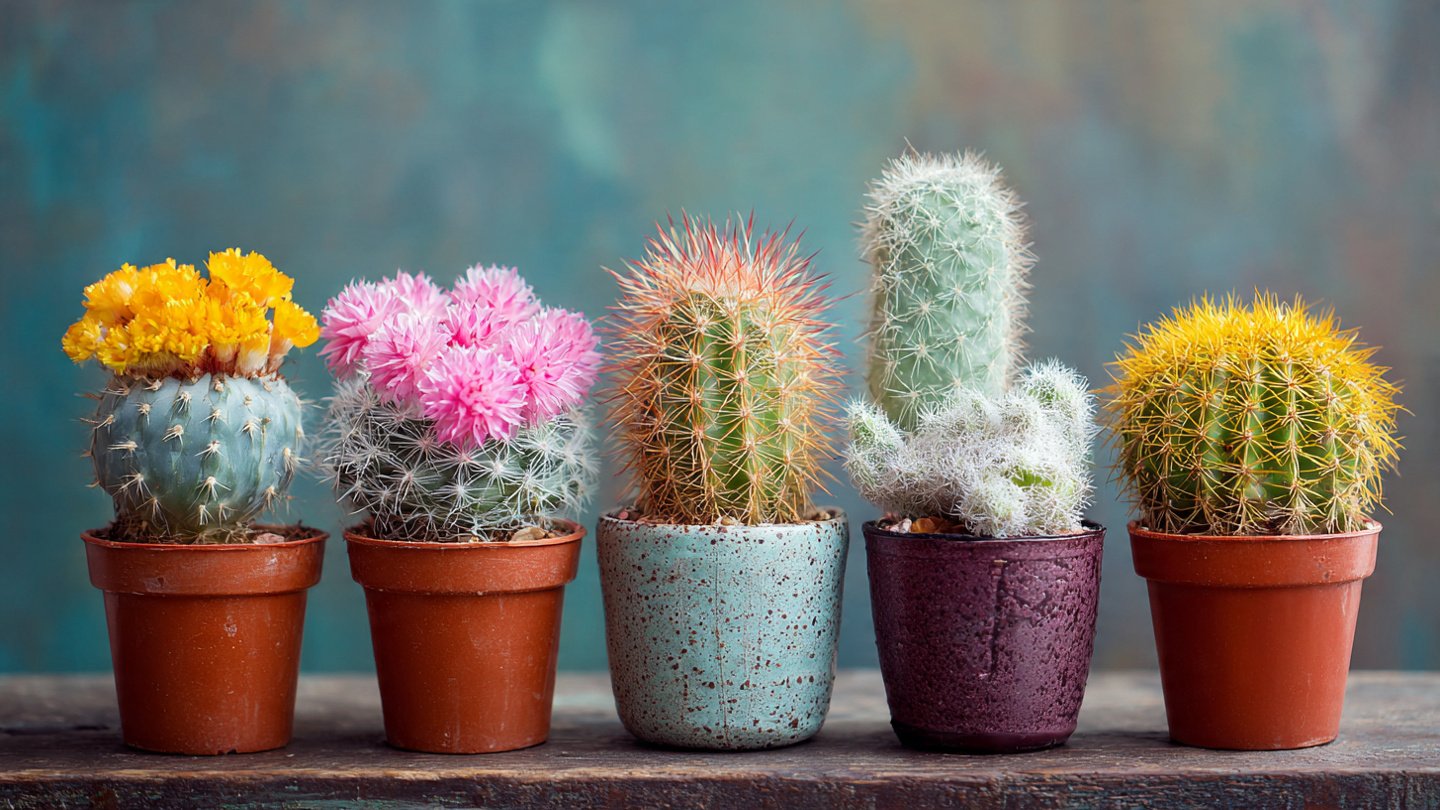
Cacti are fascinating plants known for their unique shapes, vibrant flowers, and resilience in harsh environments. While many people enjoy purchasing mature cacti, growing cacti from seed is a rewarding journey that allows you to cultivate a variety of species, experiment with arrangements, and understand these remarkable plants from the ground up.
This complete guide will take you through the entire process of growing cacti from seed, from selecting seeds and preparing soil to germination, care, and expert-level techniques for thriving cacti.
Why Grow Cactus from Seed?
Growing cacti from seed offers several advantages over buying mature plants:
- Variety Selection – Access a wide range of species, including rare or exotic varieties.
- Cost-Effective – Seeds are inexpensive compared to mature plants.
- Satisfaction – Watching a plant grow from a tiny seed into a mature cactus is highly rewarding.
- Customization – Shape your cactus collection according to your garden, indoor space, or terrarium preferences.
- Educational Value – Learn about cactus biology, growth patterns, and care techniques.
Step 1: Choosing Cactus Seeds
Selecting the right seeds is the first step toward successful growth:
- Species Selection – Determine whether you want slow-growing globular cacti, tall columnar varieties, or flowering species. Examples include Echinopsis (flowering), Mammillaria (small globular), and Cereus (columnar).
- Source – Purchase seeds from reputable suppliers to ensure viability. Avoid old or poorly stored seeds.
- Fresh Seeds – Fresh seeds germinate more reliably than older ones.
Tip: Start with easy-to-grow varieties like Mammillaria or Opuntia if you are a beginner.
Step 2: Preparing the Seeds for Germination
Cactus seeds require careful preparation to improve germination rates:
- Cleaning – If seeds come from fresh fruits, remove pulp and rinse thoroughly.
- Pre-Soaking (Optional) – Soak seeds in warm water for 12–24 hours to soften the seed coat and improve water absorption.
- Scarification (Optional for Hard Seeds) – Lightly nick or sand the seed coat to allow water penetration.
Not all cactus seeds require soaking or scarification, but it can speed up germination for harder seeds.
Step 3: Preparing the Soil
Cacti need well-draining soil to prevent root rot and support healthy growth:
- Soil Mix – Combine sand, perlite, and cactus potting mix in a 1:1:1 ratio for optimum drainage.
- pH Level – Slightly acidic to neutral soil (pH 6–7) is ideal.
- Sterilization – To prevent fungal infections, sterilize soil by baking it in the oven at 180°C (350°F) for 30 minutes or using pre-sterilized cactus soil.
Good soil preparation is critical for preventing damping-off disease, a common issue in cactus seedlings.
Step 4: Choosing Containers
Seedlings need shallow but wide containers to allow proper growth and airflow:
- Trays or Shallow Pots – Seed trays, shallow pots, or even repurposed containers work well.
- Drainage – Ensure containers have drainage holes to prevent waterlogging.
- Covering – Clear plastic lids or glass covers can help maintain humidity during germination.
Tip: Transparent covers allow light to reach seedlings while maintaining consistent moisture levels.
Step 5: Sowing Cactus Seeds
Proper sowing technique is essential for germination:
- Fill Containers – Fill pots or trays with the prepared soil mix.
- Sow Seeds – Spread seeds evenly on the surface; do not bury them too deep. Most cactus seeds require light to germinate, so a thin layer of sand or soil is sufficient.
- Water Gently – Mist the surface lightly to moisten without washing away seeds.
- Cover – Use a clear lid or plastic wrap to create a humid environment.
- Position – Place containers in bright, indirect light at temperatures between 20–30°C (68–86°F).
Germination may take anywhere from a few days to several weeks depending on species and conditions.
Step 6: Caring for Seedlings
Seedlings are delicate and require consistent care:
- Light – Provide bright, indirect sunlight. Avoid harsh direct sunlight that can scorch tiny seedlings.
- Humidity and Airflow – Maintain humidity but allow ventilation to prevent mold or fungal growth. Open covers daily for a few minutes.
- Watering – Mist soil lightly; avoid overwatering. The soil should remain slightly damp but never soggy.
- Temperature – Keep a consistent warm temperature to encourage steady growth.
Seedlings typically grow slowly for the first few months, but patience pays off.
Step 7: Transplanting Seedlings
Once seedlings develop their first spines and are large enough to handle, they can be transplanted:
- Prepare Pots – Use well-draining cactus soil and pots with drainage holes.
- Handle Carefully – Use tweezers or gloves to avoid damaging delicate seedlings.
- Spacing – Plant seedlings individually to give roots space to develop.
- Acclimation – Gradually introduce them to brighter light over several days to prevent sunburn.
Transplanting should be done carefully to avoid shocking the seedlings, which can slow growth or cause death.
Step 8: Long-Term Care for Cacti
Cactus care evolves as seedlings mature:
1. Light Requirements
- Most cacti thrive in bright sunlight, 4–6 hours per day for indoor plants, and full sun for outdoor species.
- Gradually acclimate young plants to direct sunlight to prevent sunburn.
2. Watering Schedule
- Water sparingly; allow soil to dry completely between waterings.
- Reduce watering in winter when cacti enter dormancy.
3. Fertilization
- Use diluted cactus fertilizer once every 4–6 weeks during the growing season.
- Avoid over-fertilizing, which can cause weak, elongated growth.
4. Potting and Repotting
- Repot every 2–3 years or when the plant outgrows its container.
- Use fresh cactus soil and a slightly larger pot for healthy root development.
5. Pest and Disease Management
- Common pests include mealybugs, spider mites, and scale insects.
- Prevent fungal infections by ensuring good airflow and avoiding waterlogged soil.
Step 9: Flowering and Maturity
Cacti grown from seed may take several years to flower depending on the species:
- Maturity Timeline – Small cacti may flower in 3–5 years, while larger species can take 7–10 years.
- Flowering Requirements – Proper light, temperature, and care are crucial for flowering. Some species require seasonal changes in temperature to bloom.
- Pollination – Some cacti are self-pollinating, while others require cross-pollination for fruit production.
Expert Tips for Successful Cactus Growth
- Start Easy – Begin with resilient species like Mammillaria or Opuntia before attempting rarer or slow-growing cacti.
- Maintain Cleanliness – Sterilize tools, pots, and soil to prevent fungal infections.
- Gradual Acclimation – Avoid shocking seedlings with sudden changes in light or temperature.
- Observation – Monitor seedlings daily for signs of mold, pests, or growth issues.
- Patience – Cacti grow slowly; consistent care over months and years yields the best results.
Common Mistakes to Avoid
- Overwatering – The most common mistake leading to root rot.
- Planting Too Deep – Seeds need light to germinate; burying them too deep reduces success.
- Excessive Fertilizer – Can harm seedlings and stunt growth.
- Ignoring Ventilation – Too much humidity without airflow causes fungal growth.
- Rushing Transplanting – Seedlings should be strong enough to handle disturbance.
Benefits of Growing Cacti from Seed
- Custom Collection – Create a unique collection of cacti species.
- Low Maintenance – Mature cacti are drought-tolerant and hardy.
- Decorative Value – Adds beauty to gardens, patios, or indoor spaces.
- Educational Experience – Learn plant biology, growth cycles, and propagation techniques.
- Therapeutic Hobby – Watching seeds develop into plants can be relaxing and fulfilling.
Conclusion
Growing cacti from seed is a journey that combines patience, careful observation, and attentive care. By selecting quality seeds, preparing well-draining soil, ensuring proper germination conditions, and maintaining long-term care, even beginners can cultivate healthy, beautiful cacti.
From tiny seedlings to mature, flowering plants, every stage offers insight into the resilience and charm of these desert-adapted wonders. Whether you’re a beginner looking to start your first cactus collection or an experienced gardener experimenting with exotic species, growing cacti from seed is an enriching and satisfying endeavor.
With dedication, patience, and attention to detail, your cactus garden will flourish, offering unique shapes, vibrant blooms, and a lasting connection to the fascinating world of these remarkable plants. Start today, and experience the joy of nurturing a cactus from a tiny seed into a thriving, ornamental masterpiece!