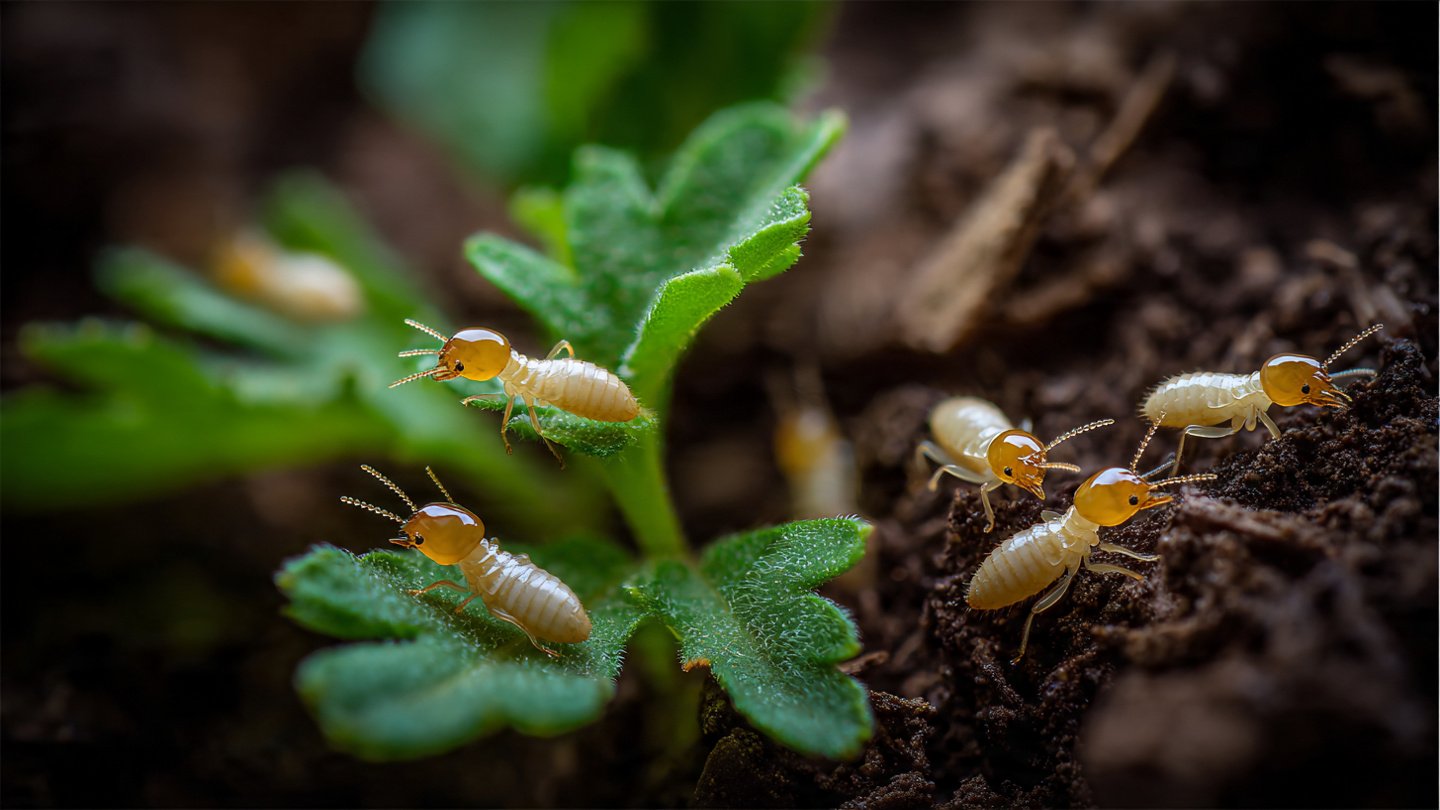
Termites are one of the most destructive pests for any garden, yard, or property. These tiny insects work silently, feeding on wood, mulch, and organic matter, often leaving homeowners and gardeners unaware until significant damage has occurred. Early detection is key: identifying termites in the garden before they spread can save you time, money, and a lot of frustration.
In this article, we’ll explore how to recognize the early signs of termites, understand their behavior, and take preventive action to protect your garden and outdoor structures. By learning what to look for, you can intervene before infestations become severe.
Why Early Detection Matters
Termites are often called the “silent destroyers” because their presence can go unnoticed for months or even years. While many gardeners focus on visible damage to plants or wooden structures, the most significant harm occurs underground or inside buried mulch and wooden stakes.
Consequences of Ignoring Termites:
- Structural Damage – Wooden fences, raised garden beds, trellises, and even shed supports can be compromised.
- Plant Stress – Termites can damage root systems, especially if they feed on mulch or decayed organic matter around plant bases.
- Costly Repairs – Once a large colony is established, eradication and repairing damage can be expensive.
- Rapid Spread – Termites reproduce quickly; a small colony can become a major infestation in months.
Detecting termites early allows gardeners to target treatments efficiently and protect both plants and structures.
Understanding Termites: Types and Behavior
Before you can spot early signs, it’s helpful to know the types of termites commonly found in gardens and their habits.
1. Subterranean Termites
- Live underground and build tunnels to access food sources.
- Prefer moist soil and often enter gardens through buried mulch, wooden stakes, or raised beds.
- Cause structural damage to wooden garden structures.
2. Drywood Termites
- Found in dry wood rather than soil.
- Less common in gardens unless you have untreated wooden furniture or structures.
- Tend to damage raised planters, benches, or trellises.
3. Dampwood Termites
- Prefer high-moisture environments like rotting logs, stumps, or compost piles.
- Not as aggressive but can damage wood in damp garden areas.
Knowing which type is likely present helps you interpret early signs accurately.
Early Signs of Termite Activity in the Garden
Recognizing termites early is all about observing subtle changes in soil, mulch, plants, and wooden structures. Here are the main indicators:
1. Mud Tubes
Subterranean termites often build mud tubes to travel from their colony to food sources while avoiding exposure to air.
- Look along wooden stakes, raised bed edges, or the base of trees.
- Tubes appear as narrow, dirt-filled tunnels that may run up walls or along the ground.
- These tubes are fragile but can indicate an active colony nearby.
2. Hollow-Sounding Wood
If you tap on wooden garden structures like benches, trellises, or raised bed sides, you may hear a hollow or papery sound, which indicates termite feeding inside the wood.
- Test areas near the ground where moisture accumulates.
- Damage at this stage is often internal, so early inspection is crucial.
3. Discarded Wings
During swarming season, termites leave behind small, shiny wings. Finding these near mulch piles, garden beds, or window sills of a nearby shed can be an early warning.
- Swarms are often the first visible sign of a colony.
- Monitor your garden during spring or after heavy rains, which trigger termite flights.
4. Soil Disturbances or Small Holes
Termites can create small holes or uneven soil patterns around mulch, raised beds, or compost areas.
- Check for unexplained mounds of fine soil.
- Look for tiny cracks in soil where termites may enter wood or plant roots.
5. Damaged Mulch or Organic Matter
Termites feed on mulch, leaf litter, or decomposed organic matter before moving to harder wood.
- Inspect mulch for small tunnels or fine sawdust-like material.
- If mulch appears “tunneled” or overly dry in pockets, termites may be present.
6. Unhealthy Plants
While termites do not typically eat live plants, root damage or nutrient disruption from tunneling can stress plants.
- Look for yellowing leaves or stunted growth near infested areas.
- Check the base of plants for soil displacement or small holes.
By combining these observations, gardeners can often detect infestations before visible structural damage occurs.
Tips for Regular Garden Inspection
Routine inspections are crucial for early termite detection. Implement these habits:
- Inspect Wooden Structures Monthly – Raised beds, trellises, fence posts, and benches should be checked for hollow wood or mud tubes.
- Examine Mulch and Compost Piles – Turn mulch occasionally and look for tunnels or termite activity.
- Monitor Moist Areas – Termites are attracted to damp soil; check irrigation zones, flower beds, and areas near drip lines.
- Check Swarming Signs in Spring – Keep an eye out for wings or flying termites near lights or windows.
- Look for Soil Anomalies – Uneven soil, small mounds, or cracks may indicate termite tunneling.
Regular observation prevents minor infestations from developing into major problems.
Preventive Measures to Protect Your Garden
Early detection is important, but prevention is equally essential. By modifying your garden environment, you can make it less attractive to termites.
1. Reduce Moisture
- Avoid overwatering and ensure proper drainage.
- Use drip irrigation instead of sprinklers to reduce excess soil moisture.
2. Limit Wood Contact with Soil
- Keep wooden garden structures elevated above the soil.
- Use treated or rot-resistant wood for stakes and raised beds.
3. Manage Mulch Carefully
- Keep mulch at least 2–3 inches away from wooden structures.
- Avoid excessive mulch thickness, as termites use it for shelter.
4. Maintain Garden Cleanliness
- Remove fallen branches, logs, or decaying plant material regularly.
- Store firewood away from the garden and off the ground.
5. Introduce Beneficial Predators
- Certain ants, nematodes, and predatory insects can help naturally reduce termite populations.
- Encourage a balanced ecosystem in the garden to control pests without chemicals.
6. Barrier Treatments
- Consider safe, eco-friendly termite barriers along garden beds and wooden structures.
- Products like borate-based sprays or beneficial nematodes can prevent termites from entering critical areas.
When to Call Professional Help
While many gardeners can manage minor infestations, some situations require professional intervention:
- Mud tubes or damage is extensive around multiple wooden structures.
- Termites are found in both soil and structural wood.
- DIY treatments are ineffective despite consistent efforts.
Professional pest control experts can identify the termite species, assess colony size, and apply targeted treatments to eradicate them without harming beneficial insects or plants.
Conclusion
Termites are silent and persistent pests, but early detection can prevent significant garden damage. By knowing what to look for—mud tubes, hollow wood, discarded wings, soil anomalies, and damaged mulch—you can catch infestations before they spread. Coupled with regular inspections, moisture management, proper mulch practices, and preventive barriers, your garden can remain healthy and termite-free.
Key takeaways:
- Inspect wooden structures and mulch piles regularly.
- Recognize signs like mud tubes, hollow sounds, and wings.
- Maintain proper garden hygiene and drainage to reduce termite attractiveness.
- Use natural or chemical preventive measures if necessary.
- Call professionals for severe or widespread infestations.
With vigilance and smart garden management, you can protect your plants, mulch, and wooden structures from termite damage, ensuring a safe and thriving garden for years to come.