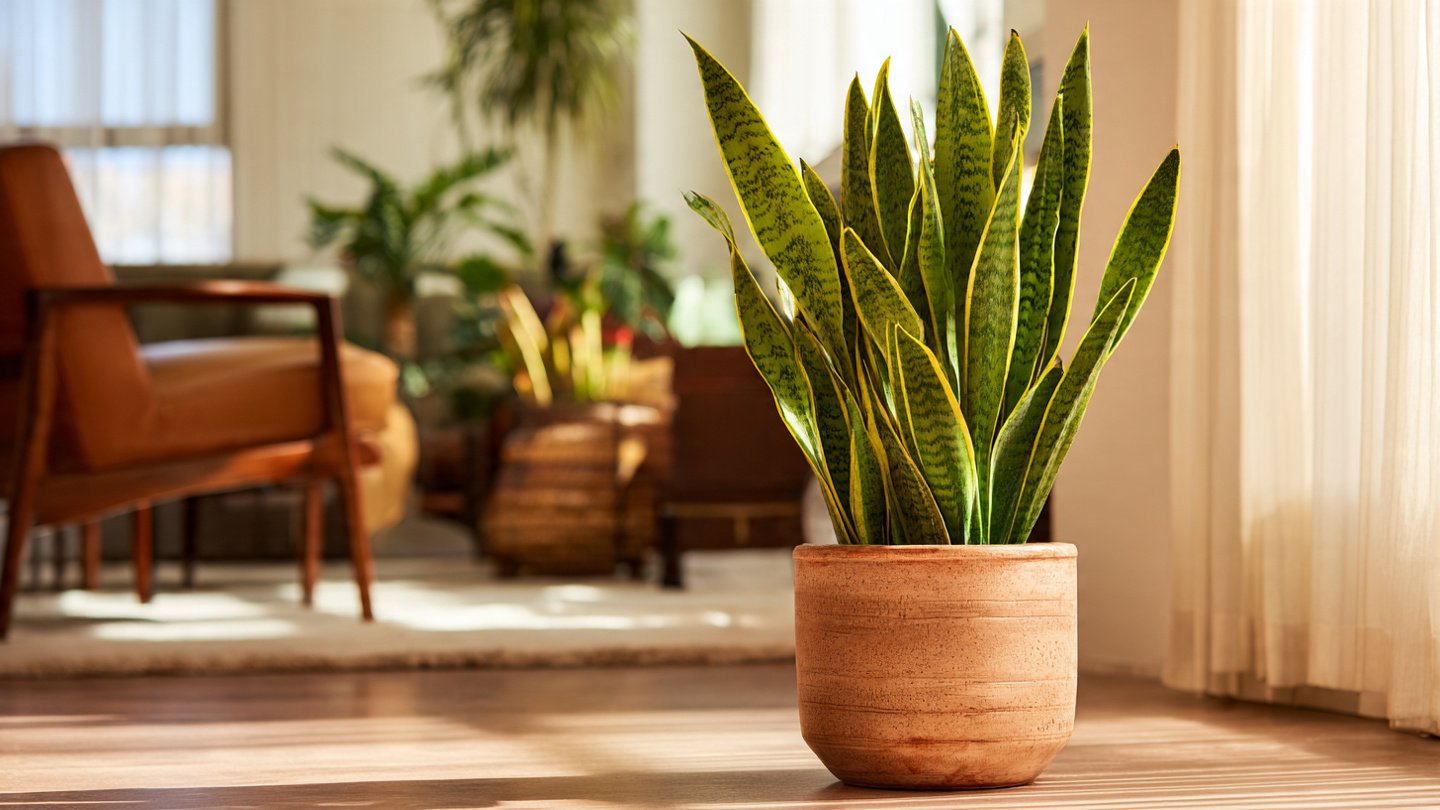
Indoor plants have become essential elements in modern home décor, offering not just aesthetic appeal but also health benefits such as air purification and stress reduction. Among these, snake plants (Sansevieria), also known as mother-in-law’s tongue, stand out for their resilience, low maintenance, and air-purifying abilities. These hardy houseplants are perfect for both beginners and seasoned gardeners, as they thrive in low light, tolerate irregular watering, and can naturally freshen up your indoor spaces.
In this guide, we explore 10 must-have snake plant varieties that can transform your home into a greener, healthier environment.
1. Sansevieria Trifasciata ‘Laurentii’
The most iconic of all snake plants, Sansevieria Trifasciata ‘Laurentii’ features upright, sword-like leaves with striking yellow margins. Its bold appearance makes it perfect as a statement piece in living rooms or offices.
Key Benefits:
- Excellent air purifier: removes toxins like formaldehyde and benzene.
- Thrives in bright or low light.
- Minimal watering required; perfect for busy households.
Placement Tip: Place it near windows or corners for visual impact while ensuring indirect sunlight exposure.
2. Sansevieria Cylindrica
Known for its cylindrical, spear-like leaves, Sansevieria Cylindrica offers a modern, sculptural aesthetic. Its unique shape makes it a favorite for contemporary interiors.
Key Benefits:
- Produces oxygen even at night, making it ideal for bedrooms.
- Extremely drought-tolerant and hardy.
- Can be trained or braided for added visual interest.
Placement Tip: Use a tall pot to support its vertical growth and place it in open spaces to emphasize its sculptural form.
3. Sansevieria Moonshine
Sansevieria Moonshine is known for its silvery-gray leaves, giving it a soft, calming appearance that complements minimalist décor. The muted color makes it versatile for different interior color palettes.
Key Benefits:
- Purifies indoor air efficiently.
- Thrives in low to medium light conditions.
- Slow-growing, which reduces the need for frequent repotting.
Placement Tip: Ideal for bedrooms and home offices where subtle, calming greenery is desired.
4. Sansevieria Hahnii
Also known as the bird’s nest snake plant, Sansevieria Hahnii grows in a compact rosette form, making it perfect for tabletops, shelves, and small spaces. Its leaves are short, wide, and edged with light green.
Key Benefits:
- Great for small apartments or offices.
- Low-maintenance and adaptable to various lighting conditions.
- Adds a lush, dense texture to your indoor plant collection.
Placement Tip: Place near windowsills or as a centerpiece on desks to bring freshness to smaller areas.
5. Sansevieria Trifasciata ‘Zeylanica’
This variety is characterized by dark green leaves with lighter horizontal stripes, offering a natural, earthy look. Its bold foliage adds depth and contrast to any indoor garden.
Key Benefits:
- Exceptional air purification properties.
- Survives in low light and irregular watering schedules.
- Hardy and long-living, often thriving for years with minimal care.
Placement Tip: Perfect for entryways or corners where a striking, dark green accent is desired.
6. Sansevieria Patens
Sansevieria Patens features wider, arching leaves with a bluish-green tint, offering a softer, more relaxed look compared to upright varieties. Its leaves can grow long and slightly curved, making it an elegant addition to indoor spaces.
Key Benefits:
- Adds a flowing, organic shape to rooms.
- Highly tolerant to low light and irregular watering.
- Excellent natural air freshener, particularly for living areas.
Placement Tip: Use in living rooms or near seating areas where its graceful leaves can be admired.
7. Sansevieria Black Gold
Sansevieria Black Gold stands out with its dark green leaves bordered with golden edges, adding a dramatic flair to indoor spaces. Its unique coloration makes it a popular choice for modern interiors.
Key Benefits:
- Strong air purification capabilities.
- Low maintenance and drought-resistant.
- Makes a bold statement in decorative pots or stands.
Placement Tip: Position it in well-lit corners to highlight the golden leaf edges against contrasting backgrounds.
8. Sansevieria Fernwood
Sansevieria Fernwood is a smaller, compact variety with slightly wavy leaves, resembling fern fronds. Its texture and delicate appearance bring softness to indoor plant arrangements.
Key Benefits:
- Ideal for tabletops, shelves, and compact spaces.
- Enhances indoor air quality naturally.
- Slow-growing and highly adaptable.
Placement Tip: Combine with other small plants or succulents for an eye-catching, layered indoor garden.
9. Sansevieria Masoniana
Commonly known as the whale fin snake plant, Sansevieria Masoniana is famous for its large, broad, paddle-shaped leaves that resemble a whale’s fin. This dramatic plant serves as a focal point in any room.
Key Benefits:
- Air purification powerhouse.
- Very low maintenance; tolerates neglect and low light.
- Provides an imposing and striking appearance in modern or tropical interiors.
Placement Tip: Use as a statement piece in living rooms or hallways where its large leaves can be appreciated.
10. Sansevieria Trifasciata ‘Bantel’s Sensation’
Sansevieria Bantel’s Sensation is a slender-leafed variety with fine, vertical leaves marked by white horizontal stripes. Its delicate, upright growth gives it a unique charm.
Key Benefits:
- Excellent air purifier and natural oxygen producer.
- Compact and ideal for indoor corners.
- Minimal watering and care requirements.
Placement Tip: Place in narrow spaces or group with other snake plants for a visually appealing indoor jungle effect.
Why Snake Plants Are Essential for Indoor Air Quality
Snake plants are not just decorative; they are renowned for their ability to clean and purify indoor air. Studies, including research by NASA, have shown that snake plants can:
- Remove toxins such as formaldehyde, benzene, and trichloroethylene from the air.
- Release oxygen at night, improving air quality in bedrooms.
- Improve humidity by reducing airborne dust and increasing moisture in the room.
Having multiple snake plant varieties in your home can create a natural air-purifying network, improving overall health, sleep quality, and wellbeing.
Tips for Caring for Snake Plants
Even though snake plants are hardy, following a few care tips ensures they thrive and continue to freshen your home naturally:
- Light Requirements: Snake plants tolerate low light but grow faster in bright, indirect sunlight.
- Watering: Allow soil to dry completely between waterings. Overwatering can cause root rot.
- Soil: Use well-draining soil, preferably cactus or succulent mix.
- Temperature: Keep them in a temperature range of 18–27°C. Protect from frost.
- Fertilization: Feed with a balanced liquid fertilizer once a month during the growing season.
- Repotting: Repot every 2–3 years to provide fresh soil and space for root expansion.
Following these simple steps ensures your snake plants remain vibrant, healthy, and continuously improve indoor air quality.
Conclusion
Snake plants are more than just attractive indoor plants—they are natural air purifiers that improve your home’s atmosphere while requiring minimal care. From the striking yellow-edged Laurentii to the bold and dramatic Masoniana, each of these 10 must-have varieties offers unique aesthetic appeal and health benefits.
By incorporating a mix of these snake plants in your home, you can create a lush, vibrant indoor garden that not only elevates décor but also promotes wellness naturally. Their hardiness, resilience, and ability to thrive in various conditions make them perfect for both beginners and experienced plant enthusiasts.
Investing in snake plants is a simple yet effective step toward a greener, fresher, and healthier home—bringing life, beauty, and improved air quality into your living space.