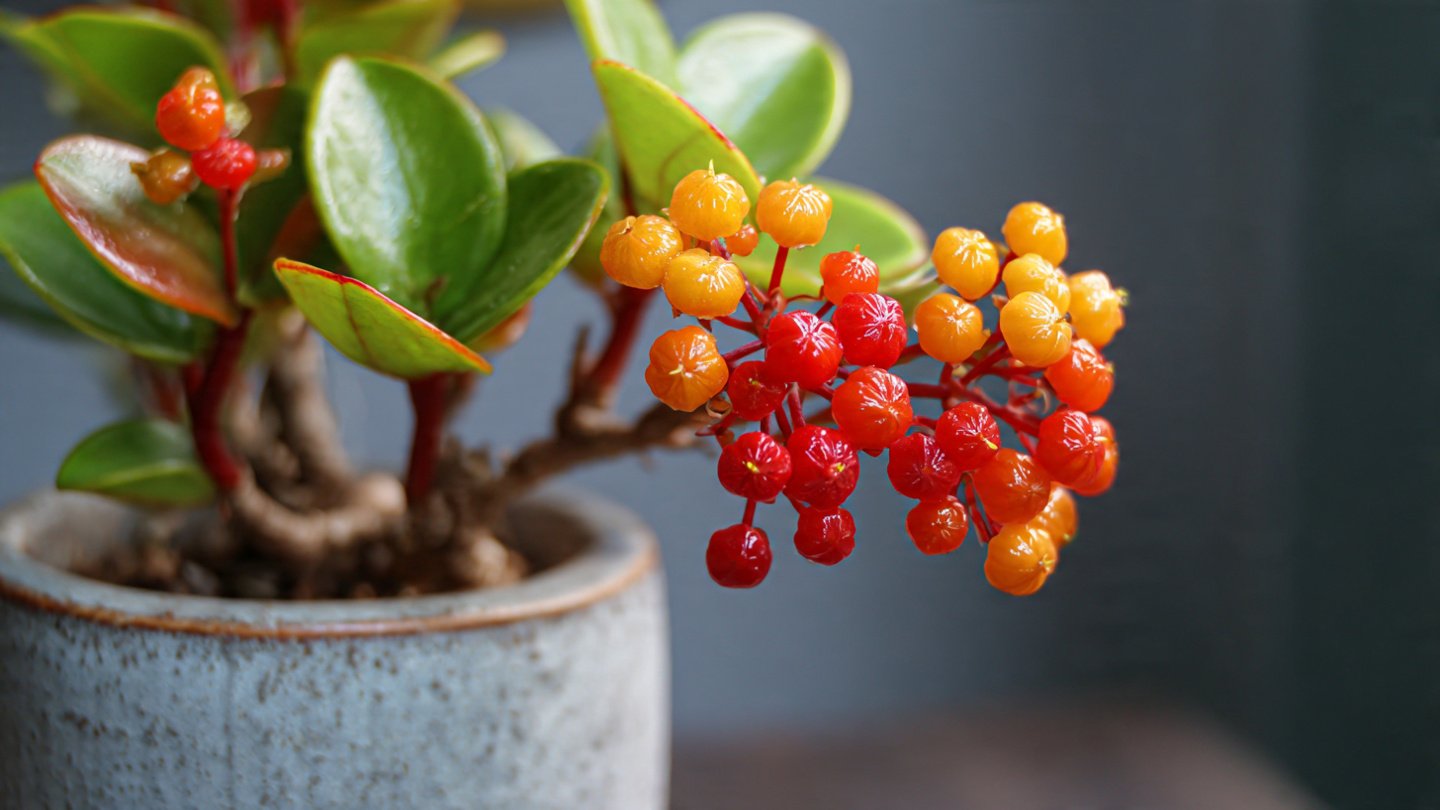
The wax plant (Hoya carnosa), also known as the porcelain flower, is cherished by plant enthusiasts for its thick, glossy leaves, trailing vines, and fragrant, star-shaped blooms. Native to Southeast Asia, this tropical plant thrives indoors with minimal care, but one key factor determines its health and flowering potential: watering. Knowing how often to water a wax plant can be confusing, as overwatering can lead to root rot while underwatering can stunt growth or prevent blooms. In this article, we’ll explore how to water your wax plant correctly, ensuring lush foliage, thriving vines, and spectacular flowers.
Understanding the Wax Plant
Before delving into watering schedules, it’s important to understand the wax plant’s characteristics and growing habits:
- Succulent-like leaves: The thick leaves store water, making the plant drought-tolerant.
- Trailing vines: Wax plants are often grown in hanging baskets or trained to climb supports.
- Slow growth: Compared to other houseplants, hoyas grow slowly, which influences water needs.
- Blooming habits: Wax plants bloom in clusters of star-shaped flowers that produce a sweet fragrance, usually during the warmer months. Proper care, including watering, plays a crucial role in flower production.
Factors That Influence Watering Needs
The frequency of watering a wax plant isn’t one-size-fits-all. Several factors affect how much water your plant needs:
1. Season
- Spring and summer (active growth): Wax plants grow actively during warm months, producing new leaves and sometimes flowers. They require more frequent watering to support this growth.
- Fall and winter (dormant period): Growth slows down during colder months, and the plant needs less water. Overwatering in winter can be particularly harmful.
2. Potting Medium
- Well-draining soil: Wax plants thrive in a light, airy mix containing components like orchid bark, perlite, and peat. This prevents waterlogging and root rot.
- Heavy soil: Soil that retains too much moisture can increase the risk of root decay, so watering must be adjusted accordingly.
3. Container Type
- Terracotta pots: Porous pots allow water to evaporate quickly, which may require more frequent watering.
- Plastic or glazed pots: These retain moisture longer, reducing the frequency of watering.
4. Environmental Conditions
- Light: Bright, indirect light encourages growth and may increase water needs.
- Humidity: Higher humidity levels reduce the rate at which soil dries, while dry air requires more frequent watering.
- Temperature: Warmer temperatures increase evaporation, making watering more frequent, whereas cooler environments slow the drying process.
How to Water Your Wax Plant Correctly
Step 1: Check the Soil
Wax plants prefer the “dry between watering” approach. Before watering:
- Insert your finger about 1–2 inches into the soil.
- If it feels dry, it’s time to water.
- If it still feels moist, wait a few more days.
Avoid following a rigid schedule; instead, monitor soil moisture as your primary guide.
Step 2: Water Thoroughly
When watering:
- Apply water evenly to the soil until it drains through the bottom of the pot.
- Ensure excess water does not sit in the saucer or tray, as standing water can cause root rot.
Step 3: Adjust Watering Frequency
- Active growing season (spring–summer): Typically every 7–10 days, depending on pot size, light, and humidity.
- Dormant season (fall–winter): Water less frequently, about every 2–3 weeks, or when the top 2 inches of soil are dry.
Remember: it’s better to underwater than overwater a wax plant. Its succulent-like leaves can store water, allowing the plant to survive longer periods of dryness.
Signs of Improper Watering
Recognizing the symptoms of overwatering or underwatering helps maintain healthy vines and blooms.
Overwatering Symptoms
- Yellowing leaves that feel soft or mushy.
- Blackened or rotting roots.
- Fungal growth or mold on the soil surface.
- Drooping vines despite wet soil.
Solution: Reduce watering, allow soil to dry completely, and repot in well-draining soil if root rot occurs.
Underwatering Symptoms
- Wrinkled or shriveled leaves.
- Dry, brittle leaf tips or edges.
- Slow growth or leaf drop.
- Flower buds failing to open.
Solution: Increase watering gradually, ensuring thorough soil penetration, but avoid saturating the soil.
Tips for Encouraging Lush Vines and Blooms
Proper watering alone isn’t enough; combine it with overall care to promote healthy foliage and flowers.
1. Light Requirements
- Wax plants flourish in bright, indirect sunlight.
- Insufficient light may cause leggy growth and reduce flowering, regardless of watering.
- A south- or east-facing window is ideal.
2. Fertilization
- Use a balanced fertilizer diluted to half strength every 4–6 weeks during active growth.
- High-phosphorus fertilizers can promote flowering, enhancing bloom production.
3. Pruning and Training
- Trim long, unhealthy vines to encourage bushier growth.
- Train vines along supports or in hanging baskets to maximize sunlight exposure.
4. Humidity and Temperature
- Wax plants prefer moderate to high humidity (40–60%).
- Ideal temperatures range between 60–80°F (15–27°C).
- Use humidity trays, misting, or humidifiers in dry climates, but avoid excessive moisture on leaves, which can encourage fungal diseases.
5. Bloom Encouragement
- Wax plants may take several years to bloom, particularly if grown from seed.
- Mature plants bloom best with consistent watering, bright light, and slight stress during the winter dormancy period (reducing water slightly encourages flower formation).
Common Watering Mistakes to Avoid
- Watering on a strict schedule: Instead of watering every 7 days automatically, check the soil first.
- Neglecting pot drainage: Ensure your pot has drainage holes to prevent water accumulation.
- Over-misting: While wax plants enjoy humidity, water on leaves can lead to fungal issues if not evaporated.
- Ignoring seasonal needs: Watering in winter as frequently as in summer can harm the plant.
- Using cold water: Room temperature water is best, as cold water can shock roots.
Special Considerations for Hanging Baskets
Many wax plants are grown in hanging baskets for aesthetic appeal. Watering in baskets requires extra attention:
- Baskets dry out faster than pots due to increased airflow around the roots.
- Check soil moisture twice a week during warm months.
- Use a saucer or drip tray during indoor winter placement to catch excess water.
- Ensure thorough watering until water drains out of the bottom, then allow soil to dry before the next watering.
Conclusion
Watering a wax plant correctly is a cornerstone of successful indoor gardening. Understanding your plant’s growth cycle, environmental conditions, and soil requirements ensures that you provide the right amount of water at the right time. By allowing the soil to dry between waterings, watering thoroughly but sparingly, and adjusting frequency according to the season, your wax plant can thrive with lush, glossy leaves and abundant, fragrant blooms.
Remember, the wax plant’s succulent nature gives it resilience, but it rewards attentive care. Combine proper watering with ideal light, humidity, fertilization, and pruning practices, and you’ll enjoy a healthy, flowering plant that brings a tropical touch to your home for years to come.
Word Count: 1,220