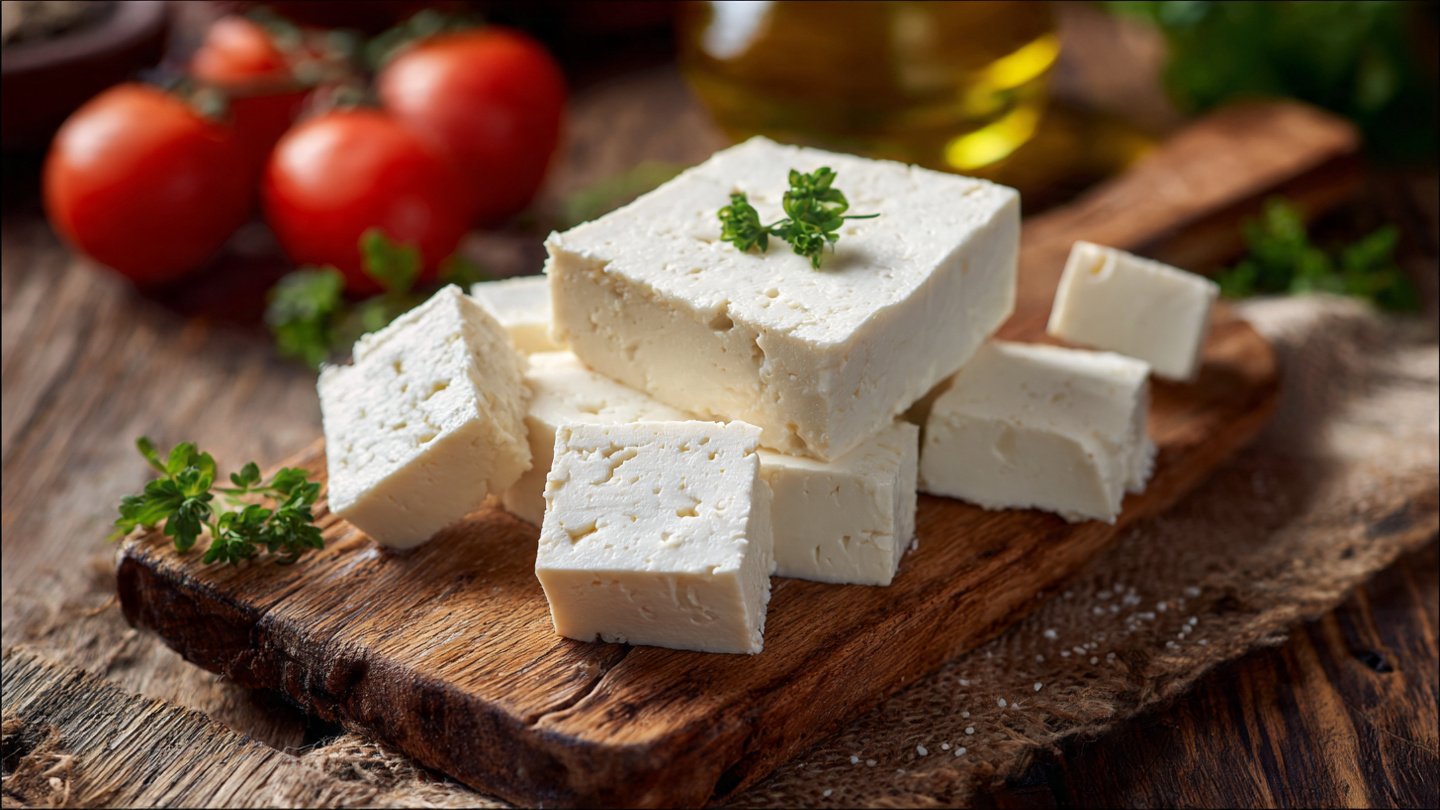
Paneer, the soft and versatile Indian cheese, has long been a cornerstone of South Asian cuisine. From creamy curries like Paneer Butter Masala to grilled delights like Paneer Tikka, this fresh cheese is beloved for its mild taste, high protein content, and adaptability. But beyond its culinary fame, paneer is also an indicator of dairy production trends, as the demand for this cheese reflects larger patterns in milk processing and the global dairy industry. So, which country leads the world in paneer production today, and what factors have contributed to its dominance? Let’s explore.
Understanding Paneer and Its Global Appeal
Paneer is a fresh, non-aged cheese made by curdling milk with lemon juice, vinegar, or yogurt. Unlike many cheeses, paneer doesn’t melt when heated, making it ideal for cooking in curries, stir-fries, and desserts. It is a staple in vegetarian diets, especially in India, where it serves as a primary protein source for millions.
Globally, the popularity of paneer is growing, thanks to:
- Indian diaspora: Indian communities worldwide continue to consume paneer regularly.
- Rising vegetarianism: Increasing interest in plant-based and vegetarian diets has boosted demand for dairy proteins like paneer.
- Culinary experimentation: Chefs worldwide are incorporating paneer into fusion dishes, desserts, and snacks.
As a result, countries with large dairy industries have ramped up paneer production to meet both domestic and international demand.
India: The Largest Paneer Producer in the World
Today, India is by far the largest producer of paneer in the world, producing millions of metric tons annually. Several factors contribute to India’s dominance:
1. Massive Dairy Industry
India is also the world’s largest milk producer, providing the raw material needed for paneer production. According to the Food and Agriculture Organization (FAO), India produces over 200 million metric tons of milk per year, which accounts for nearly a quarter of the global supply. This massive milk output naturally supports the production of paneer on an industrial and household scale.
2. Cultural and Dietary Factors
Paneer is deeply embedded in Indian cuisine. It is consumed in daily meals across North, West, and East India. Unlike other countries where cheese consumption may be occasional, in India, paneer is part of regular meals, festivals, and celebrations. This consistent demand drives continuous production.
3. Industrial and Cottage Production
Paneer production in India occurs at multiple scales:
- Industrial Production: Large dairy cooperatives like Amul, Mother Dairy, and Britannia produce paneer for supermarkets and export markets.
- Cottage Industry: Small dairies and household producers also make paneer for local markets, restaurants, and home consumption.
This dual-scale production ensures that India produces paneer in quantities unmatched by any other country.
Factors Driving India’s Paneer Production
India’s leadership in paneer production is supported by several key factors:
a) Abundant Milk Supply
India’s dairy sector is supported by millions of small-scale dairy farmers. Most farms are family-run, with a few cows or buffaloes per household. Buffalo milk, in particular, is richer in fat and protein, making it ideal for paneer production.
b) Growing Urban Demand
Urbanization has increased demand for processed foods, including paneer. Supermarkets, ready-to-cook meals, and restaurants all rely on consistent, high-quality paneer, boosting industrial production.
c) Export Potential
Indian paneer is also exported to countries with large Indian diasporas, such as the United States, United Kingdom, Canada, and the Middle East. International demand encourages large-scale production, reinforcing India’s position as the global leader.
d) Government Support and Dairy Cooperatives
India’s government has long supported the dairy sector through initiatives like Operation Flood, which modernized milk production and distribution. Dairy cooperatives provide resources, training, and marketing support, helping producers increase paneer output efficiently.
Other Countries Producing Paneer
While India dominates paneer production, other countries also produce this cheese, though in smaller quantities:
1. Pakistan
- Pakistan has a strong dairy culture and produces a considerable amount of paneer, often called “chhena” locally.
- Production is mainly cottage-based, with smaller industrial-scale operations compared to India.
2. Bangladesh
- Paneer is consumed widely in urban areas, but production is limited due to smaller-scale dairy farming.
- Most production is household or small business-based.
3. United States and Europe
- With growing interest in Indian cuisine, some US and European companies produce paneer commercially.
- However, production volumes are far below India, mainly serving niche markets and Indian restaurants.
4. Middle East
- Countries like the UAE and Saudi Arabia import large quantities of Indian paneer rather than producing it locally.
- Local dairy production exists, but paneer remains largely imported due to familiarity and demand for Indian-style cheese.
Paneer Production Techniques in India
India employs both traditional and modern methods to produce paneer:
1. Traditional Method
- Milk is boiled and curdled using lemon juice, vinegar, or yogurt.
- Curds are drained in a muslin cloth and pressed to remove excess whey.
- The final product is soft, white, and ready for cooking.
2. Industrial Method
- Uses pasteurized milk and controlled acidification.
- Curds are mechanically pressed, cut, and packaged for supermarkets.
- Ensures longer shelf life and consistent quality.
This combination of traditional and industrial production enables India to meet both local and export demand efficiently.
Challenges in Paneer Production
Despite its success, India’s paneer industry faces several challenges:
- Seasonal Milk Variation: Milk supply can fluctuate with seasons, affecting paneer production.
- Storage and Shelf Life: Fresh paneer is perishable, requiring cold storage to maintain quality.
- Competition with Other Cheeses: Global cheese varieties like mozzarella or cheddar are gaining popularity in urban India.
- Pricing Pressure: Industrial producers face pressure to maintain affordability while ensuring quality.
Despite these challenges, India continues to lead paneer production due to its robust dairy infrastructure, cultural demand, and entrepreneurial innovation.
The Future of Paneer Production
India’s paneer industry is expected to grow steadily, fueled by:
- Rising Domestic Demand: Increased vegetarianism and health awareness boost consumption.
- International Markets: Export potential remains strong as Indian cuisine spreads globally.
- Technological Advancements: Modern dairy techniques improve yield, shelf life, and consistency.
- Value-Added Products: Paneer-based ready-to-eat meals, snacks, and frozen products are expanding the market.
As a result, India will likely remain the largest paneer producer worldwide for years to come, maintaining dominance through a combination of tradition, innovation, and sheer production scale.
Fun Facts About Paneer Production in India
- India produces over 4 million metric tons of paneer annually, far surpassing any other country.
- Paneer consumption per capita is highest in North India, particularly in states like Punjab, Uttar Pradesh, and Haryana.
- Many urban households still make paneer at home, contributing to small-scale, decentralized production alongside industrial output.
Conclusion
India is, without question, the largest paneer producer in the world today, thanks to its massive dairy industry, cultural love for paneer, and a combination of traditional and industrial production methods. While countries like Pakistan, Bangladesh, and the United States also produce paneer, none match India’s scale or consistency.
The growth of Indian cuisine internationally ensures that paneer will continue to be in high demand, both domestically and globally. With robust infrastructure, innovative production techniques, and an expanding market, India’s leadership in paneer production looks secure for the foreseeable future.
Whether you are a culinary enthusiast, a food industry professional, or simply curious about global cheese production, understanding India’s role in paneer production highlights how tradition, culture, and agriculture combine to shape the global food landscape.